Overview
C8 MCT (caprylic acid) is a rapidly absorbed medium-chain triglyceride that is preferentially metabolized in the liver to produce ketones, providing a quick source of energy independent of carnitine transport. Research suggests C8 MCT oil supports metabolic health by enhancing ketone production, which may benefit muscle oxidative capacity under catabolic conditions such as cachexia [1]. In preclinical models, MCT supplementation reduced mortality in low-birth-weight neonates, likely due to improved energy availability [4]. MCTs are also used therapeutically in fatty acid oxidation disorders, where long-chain fats cannot be metabolized; in these cases, MCTs provide an alternative fuel source, with recommended intake of 10–25% of total energy [3]. Additionally, MCTs have antimicrobial properties, with studies showing reduced gastrointestinal fungal burden in preterm infants [5]. While most research uses total MCT oil, C8 is considered the most ketogenic form, making it a preferred choice for ketogenic diets and cognitive support.
Dosage Guide
Therapeutic Doses
For treatment of specific conditions
Upper Intake Limit
Maximum safe daily intake
50 g— High doses may cause gastrointestinal distress; max tolerated dose varies individually
Special Forms
Alternative forms for specific needs
Maximizes ketone production; preferred for neurological and metabolic conditions
Improved portability and GI tolerance; suitable for beverages and foods
Clinical Notes
- Start with low doses (1-2 g/day) and gradually increase to minimize gastrointestinal side effects (diarrhea, cramping)
- Use under medical supervision in children, pregnant women, or individuals with liver disease
- Avoid in patients with impaired liver function due to reliance on hepatic metabolism
- Monitor for potential interactions with antiepileptic drugs when used in ketogenic regimens
Research
MCT supplementation (5.0 g/kg/day) prevented reduction in skeletal muscle oxidative capacity in LPS-induced cachectic mice
Feeding calves MCT-rich diets improved insulin responsiveness and body composition compared to control
MCT supplementation is recommended at 10–25% of total energy in long-chain fatty acid oxidation disorders
MCT-LCT supplementation (1.95 g/day for 3 days) reduced mortality 1.9-fold in small newborn piglets
MCT oil supplementation reduced Candida spp. burden in preterm infants, though minimal effects on bacterial microbiome were observed
Structured MCT-LCT diet did not increase body fat accumulation compared to LCT in healthy young men over 12 weeks
MCTs protect against lipid oxidation in emulsions by diluting unsaturated fats like fish oil, improving oxidative stability
Adding MCT to fish oil-based diets altered inflammatory profiles in mice, suggesting immunomodulatory potential
Products Containing C8 MCT Oil Powder(2 reports)
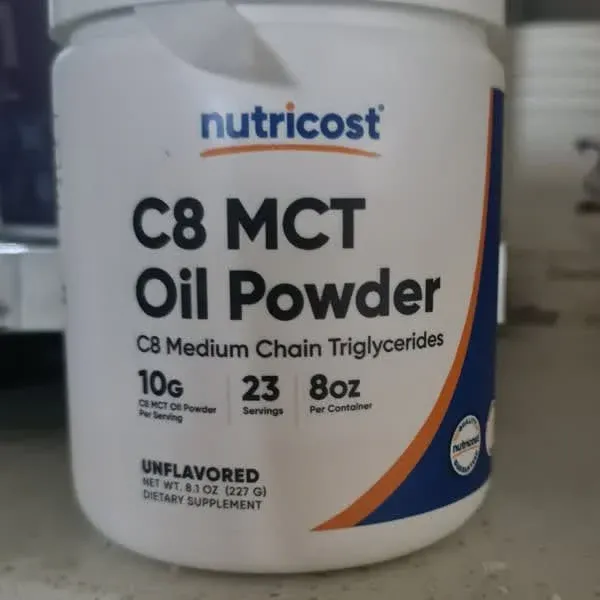
This product delivers 10 g of pure C8 MCT (caprylic acid) per serving, a highly ketogenic medium-chain triglyceride that is rapidly converted into ketones in the liver. C8 is the most efficient MCT form for supporting metabolic and cognitive health, particularly in ketogenic diets or conditions requiring alternative energy substrates.
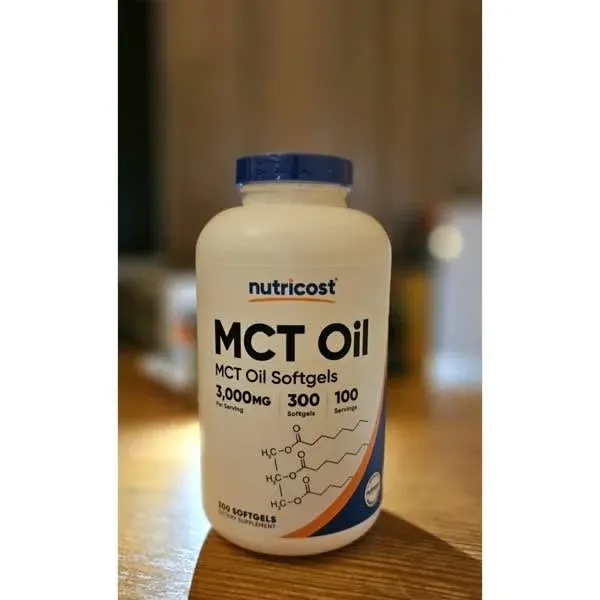
Nutricost MCT Oil provides 3,000 mg of medium-chain triglycerides per serving, primarily caprylic acid (C8), a rapidly metabolized fat that supports ketone production and energy metabolism. As a supplement, it is formulated to deliver clinically relevant doses for cognitive, metabolic, and gastrointestinal health benefits.