Overview
L-Glutamine is a conditionally essential amino acid that plays a critical role in immune function, gut barrier integrity, and cellular metabolism, particularly during catabolic states such as critical illness, trauma, or intense exercise [8][1]. It serves as a primary fuel source for enterocytes and immune cells, supporting gut-associated lymphoid tissue and reducing intestinal permeability [1][4]. Glutamine enhances antioxidant defenses via glutathione synthesis and may modulate stress responses through heat shock proteins [1]. While early studies suggested benefits in critically ill patients, recent meta-analyses indicate that intravenous glutamine may be associated with increased harm in intensive care settings, particularly in multiorgan failure [10][2]. However, enteral glutamine appears safer and may support gut barrier function in adults, with emerging evidence showing reduced intestinal permeability [4]. In non-critical populations, glutamine supplementation increases plasma IL-6 during exercise, suggesting an immunomodulatory role [9], but shows no benefit in pediatric persistent diarrhea [6].
Dosage Guide
Therapeutic Doses
For treatment of specific conditions
Upper Intake Limit
Maximum safe daily intake
30 g— Upper limit not firmly established; doses above 30 g/day may cause GI discomfort; parenteral use linked to adverse outcomes in ICU
Special Forms
Alternative forms for specific needs
Stable dipeptide form used in parenteral nutrition, especially in hospital settings
Clinical Notes
- Avoid parenteral glutamine in critically ill patients, especially those with multiorgan failure, due to increased mortality risk [10][2]
- Enteral glutamine appears safe and may benefit gut barrier function in non-critical adults
- Not effective for persistent diarrhea in children [6]
- High-dose supplementation may cause mild gastrointestinal symptoms (e.g., bloating, gas)
- Use with caution in patients with liver disease or impaired amino acid metabolism
- Monitor renal function when used intravenously in clinical settings
Research
Glutamine supports immune function and gut barrier integrity, possibly via glutathione and heat shock proteins.
Enteral glutamine supplementation in critically ill adults showed no significant mortality benefit and potential for harm in some subgroups.
Meta-analysis found glutamine supplementation associated with increased mortality in ICU patients, especially with parenteral administration.
Glutamine supplementation significantly reduces gut permeability in adults in randomized controlled trials.
Glutamine supplementation enhances exercise-induced plasma IL-6 levels in healthy men.
No benefit of oral glutamine in treating persistent diarrhea in young children in Uganda.
Glutamine's effects in critical illness are dose- and route-dependent, with potential mortality benefits in select populations.
Glutamine is conditionally essential in catabolic states due to increased demand and depleted stores.
Glutamine is synthesized in muscle and declines during exercise, affecting immune signaling.
Glutamine supplementation showed no reduction in infection rates in ICU patients and possible increased mortality.
Products Containing L-Glutamine(2 reports)
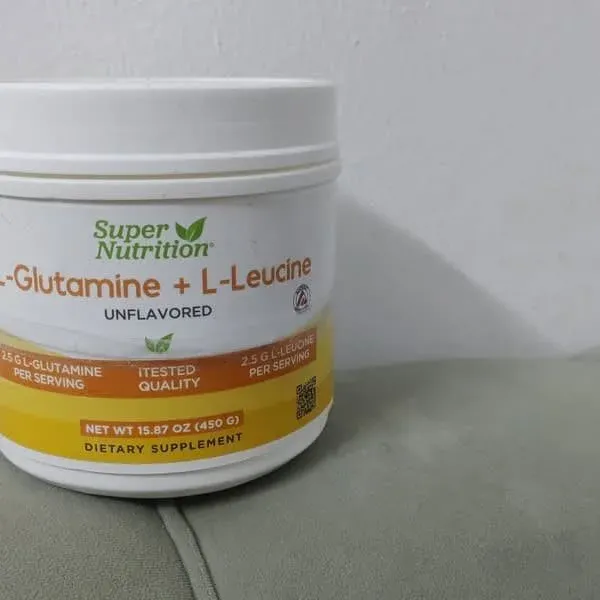
This supplement combines two amino acids—L-Glutamine and L-Leucine—each dosed at 2.5 g per serving. L-Glutamine supports gut barrier integrity and immune function, particularly under catabolic stress, while L-Leucine acts as a key regulator of muscle protein synthesis, making it relevant for muscle maintenance and sarcopenia prevention. Both ingredients are in free-form powder, supporting rapid absorption.
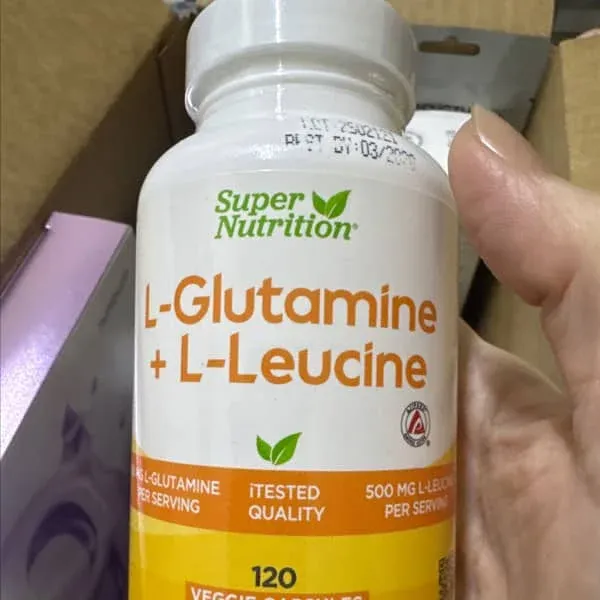
This supplement combines L-Glutamine and L-Leucine, two amino acids with distinct roles in gut health and muscle protein synthesis. L-Glutamine is the primary ingredient based on naming and functional focus, supporting intestinal barrier integrity and immune function. While both ingredients are included at moderate doses, neither reaches the typical clinical range for their most evidence-backed indications when taken at one serving per day.