Overview
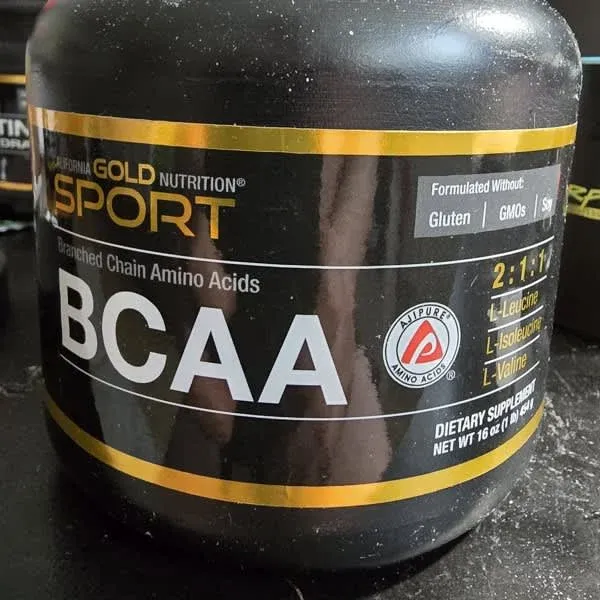
L-Isoleucine is one of the three branched-chain amino acids (BCAAs), alongside leucine and valine, and plays a key role in protein synthesis, energy metabolism, and glucose regulation. Emerging evidence suggests that isoleucine may improve glucose tolerance and reduce postprandial glucose levels, with acute administration shown to enhance insulin sensitivity in both rodents and humans [1]. Chronic supplementation in rodent models prevents diet-induced weight gain and improves metabolic markers, particularly in the context of high-fat diets [1]. Unlike leucine, which is the primary activator of mTORC1 and muscle protein synthesis, isoleucine appears to exert more metabolic than anabolic effects, with limited direct evidence for stimulating muscle growth in humans [5][3]. While BCAA supplementation, including isoleucine, has been studied in clinical populations such as those with liver disease or cancer cachexia, the specific role of isoleucine alone remains less defined, and most benefits are observed in combination with other BCAAs [2][4].
Dosage Guide
Recommended Daily Allowance
For generally healthy individuals
Therapeutic Doses
For treatment of specific conditions
Upper Intake Limit
Maximum safe daily intake
500 mg/kg/day— Based on NOAEL from chronic animal studies; no established UL for humans, but high doses may increase ammonia or insulin resistance risk
Special Forms
Alternative forms for specific needs
For liver disease, exercise recovery, or metabolic support
Targeted metabolic or glucose regulation research
Clinical Notes
- High-dose BCAA supplementation may alter neurotransmitter balance; use caution in individuals with ALS or hepatic encephalopathy.
- Isoleucine alone does not significantly stimulate muscle protein synthesis; requires other essential amino acids for anabolic effect.
- Long-term safety of isolated isoleucine supplementation in humans is not well established; most data are from animal models or BCAA mixtures.
- Monitor blood glucose in diabetic patients; isoleucine may enhance insulin sensitivity and lower postprandial glucose.
Research
Chronic isoleucine supplementation prevents diet-induced weight gain and improves glucose tolerance in mice.
No toxic effects of BCAA supplementation, including isoleucine, were reported in patients with liver disease.
BCAAs alone, including isoleucine, have limited capacity to stimulate muscle protein synthesis due to lack of other essential amino acids.
Amino acid therapy, including BCAAs, may support protein anabolism in advanced cancer before refractory cachexia sets in.
Leucine has strong anabolic signaling effects; isoleucine's role in muscle synthesis is less pronounced.
L-leucine (90–140 mg/day) improves metabolic markers in glucose-intolerant rodents; isoleucine was not isolated in this study.
Leucine is the primary driver of myofibrillar protein synthesis; BCAA mixtures including isoleucine did not outperform leucine alone.
Leucine is the most potent BCAA for stimulating mTORC1 and protein synthesis; isoleucine has weaker anabolic effects.