Overview
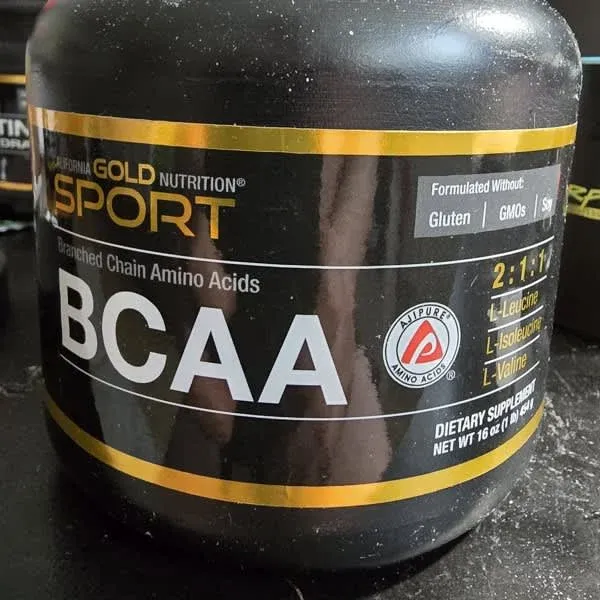
L-Valine is an essential branched-chain amino acid (BCAA) that plays a critical role in protein synthesis, energy production, and metabolic regulation. It is one of the three BCAAs—along with leucine and isoleucine—that are preferentially metabolized in skeletal muscle and contribute to muscle maintenance and recovery. BCAA supplementation, including valine, has been studied in clinical populations such as those with liver disease, where it may help correct the imbalanced ratio of BCAAs to aromatic amino acids (Fischer's ratio), potentially improving nutritional status and hepatic encephalopathy [1][6]. In patients with phenylketonuria (PKU), supplementation with large neutral amino acids like valine may competitively inhibit phenylalanine transport across the blood-brain barrier, reducing neurotoxic effects [3]. However, in certain inborn errors of metabolism such as methylmalonic acidemia (MMA), valine intake must be carefully restricted due to its catabolic pathway producing propionyl-CoA, which exacerbates metabolic instability [4]. No toxic effects of BCAA supplementation have been reported in clinical trials, suggesting a favorable safety profile in appropriate populations [1][6].
Dosage Guide
Recommended Daily Allowance
For generally healthy individuals
Therapeutic Doses
For treatment of specific conditions
Upper Intake Limit
Maximum safe daily intake
mg— No established tolerable upper intake level for valine; high-dose BCAA supplements generally well-tolerated but long-term safety data limited. Imbalanced intake (e.g., excess leucine) may disrupt amino acid metabolism.
Special Forms
Alternative forms for specific needs
Exercise recovery, liver disease, sarcopenia
Inborn errors of metabolism (e.g., methylmalonic acidemia)
Clinical Notes
- Avoid high-dose valine in patients with maple syrup urine disease (MSUD) or methylmalonic acidemia due to impaired catabolism.
- In PKU, valine should be part of a balanced LNAA regimen; monitor plasma amino acid profiles.
- Long-term high-dose BCAA supplementation should maintain balanced ratios to prevent amino acid imbalances.
- No evidence of toxicity in clinical trials, but excessive isolated valine intake may disrupt transport of other large neutral amino acids across the blood-brain barrier.
- Monitor liver and renal function in patients on long-term BCAA supplementation, especially in chronic disease states.
Research
No toxic effects of BCAA supplementation reported in liver disease patients; potential benefit in correcting Fischer's ratio.
1,500 mg oral valine was used in a crossover study to assess plasma kinetics; well-tolerated in healthy adults.
Large neutral amino acids like valine may reduce brain phenylalanine in PKU by competitive transport inhibition.
Valine is restricted in medical foods for methylmalonic acidemia due to metabolic risks from its catabolism.
LNAA supplementation in PKU may improve brain amino acid profiles and cognitive outcomes.
Oral L-BAIBA and valine (1,500 mg) were administered in healthy adults with no reported adverse events.
BCAA supplementation, including valine, was evaluated in cancer surgery patients; showed potential for improving nutritional status without significant safety concerns.
Ketoacid analogs of essential amino acids, including valine, may reduce nitrogen load in CKD, though specific dosing not established.