Overview
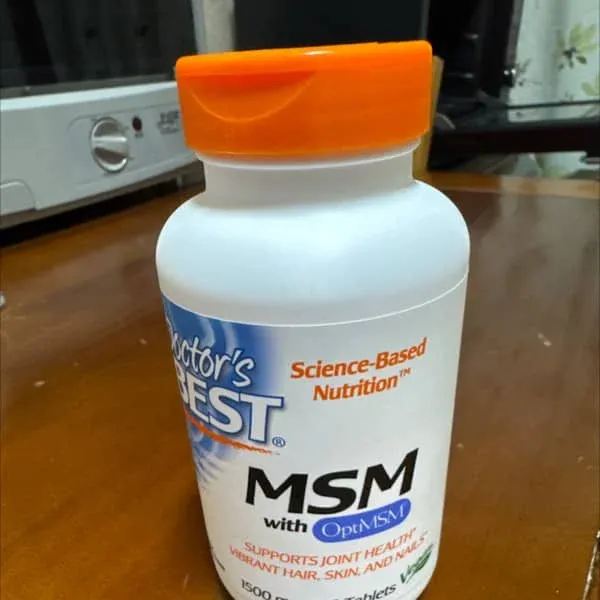
Methylsulfonylmethane (MSM) is an organosulfur compound found in some plants and available as a dietary supplement. It is commonly used for its potential anti-inflammatory and antioxidant properties, particularly in supporting joint health and reducing symptoms of osteoarthritis. MSM may also support connective tissue integrity and modulate immune responses, though human clinical evidence remains limited. Animal studies show that orally administered MSM is absorbed and distributed to tissues, including the brain and cerebrospinal fluid, where it can be detected via spectroscopy [1][2]. While no major toxicity was observed in broilers at doses up to 2,000 mg/kg body weight, human safety data are still emerging. Preliminary evidence suggests MSM may reduce oxidative stress and support exercise recovery, but more high-quality human trials are needed to confirm these benefits [2].
Dosage Guide
Therapeutic Doses
For treatment of specific conditions
Upper Intake Limit
Maximum safe daily intake
4000 mg— Based on safety studies up to 4,000 mg/day in humans; no established UL, but doses up to this level have been well tolerated in short-term trials
Clinical Notes
- MSM may interfere with magnetic resonance spectroscopy readings, potentially confounding diagnostic imaging results [1].
- Generally well tolerated; mild gastrointestinal symptoms (diarrhea, bloating) reported at high doses.
- Safety during pregnancy and lactation has not been established; insufficient data to recommend use.
Research
MSM ingestion leads to detectable levels in brain and cerebrospinal fluid, producing a distinct resonance at 3.15 ppm in proton MR spectroscopy.
Oral administration of MSM up to 2,000 mg/kg BW in broilers showed no significant toxicity and demonstrated dose-dependent tissue distribution.