Overview
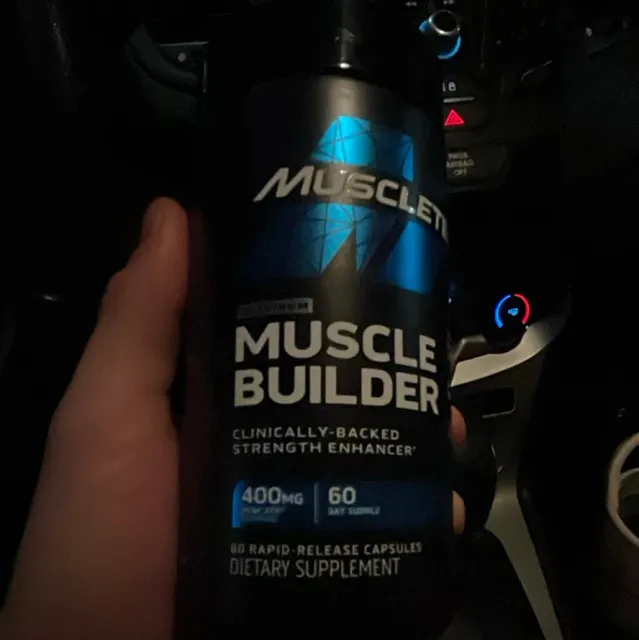
Adenosine 5'-triphosphate disodium (ATP) is the disodium salt form of adenosine triphosphate, the primary energy currency of cells. Oral ATP supplementation has been investigated for its potential to enhance muscular performance and physiological responses during resistance exercise. Studies indicate that a single 400 mg dose of oral ATP (as Peak ATP®) taken 30 minutes before exercise can improve performance in trained individuals, including increased repetitions and power output during lower-body resistance training [1][2]. The mechanism may involve enhanced blood flow, improved neuromuscular function, or modulation of purinergic signaling pathways. While ATP is rapidly degraded in the gastrointestinal tract, evidence suggests bioavailable forms may exert extracellular effects via purinergic receptors that influence muscle activation, fatigue resistance, and vascular tone [2][1]. However, long-term efficacy and systemic absorption remain areas of ongoing research.
Dosage Guide
Therapeutic Doses
For treatment of specific conditions
Special Forms
Alternative forms for specific needs
Stabilized oral ATP disodium formulation studied for exercise performance
Clinical Notes
- Oral ATP is subject to degradation in the GI tract; effects may be mediated via extracellular purinergic receptors rather than direct systemic absorption.
- Safety of long-term ATP supplementation has not been extensively studied.
- Potential interactions with anticoagulants or antiplatelet drugs due to adenosine's effects on platelet aggregation and vascular tone should be considered.
Research
A single 400 mg dose of oral ATP improved performance and physiological response during lower-body resistance exercise in recreationally trained males.
Acute 400 mg ATP supplementation enhanced muscular performance in trained adults during resistance exercise in a placebo-controlled crossover study.
AMPK, activated by changes in AMP/ATP ratio, plays a key role in cellular energy homeostasis; declining AMPK activity with age may affect metabolic health.
Phosphorus, a key component of ATP, when supplemented at 500 mg, improved diet-induced thermogenesis in overweight and obese adults.
Creatine supplementation increases skeletal muscle phosphocreatine stores, supporting ATP regeneration during high-intensity exercise.
Vitamin D3 supplementation modulated ATP hydrolysis and purinergic signaling in diabetic rats, suggesting a regulatory role in ATP metabolism.
ATP can act as a signaling molecule in nanochannel systems, demonstrating its extracellular regulatory potential via aptamer-based detection.