Overview
Alpha-carotene is a dietary carotenoid found in orange and yellow vegetables such as carrots and sweet potatoes. It functions as a provitamin A carotenoid, meaning it can be converted to retinol in the body, and also exhibits antioxidant properties that may help protect cells from oxidative damage. Observational studies have associated higher plasma levels of alpha-carotene with reduced risk of chronic diseases, including cardiovascular disease and certain cancers, likely due to its role in mitigating oxidative stress [2][3]. However, clinical trial evidence specifically on alpha-carotene supplementation is lacking. Most research has focused on beta-carotene, which has shown potential harm in smokers at high doses, raising caution about isolated carotenoid supplementation [2][6]. Therefore, current evidence supports obtaining alpha-carotene from whole food sources rather than supplements.
Dosage Guide
Recommended Daily Allowance
For generally healthy individuals
Therapeutic Doses
For treatment of specific conditions
Upper Intake Limit
Maximum safe daily intake
Not established mcg— No UL set for alpha-carotene; safety of high-dose supplementation unknown
Special Forms
Alternative forms for specific needs
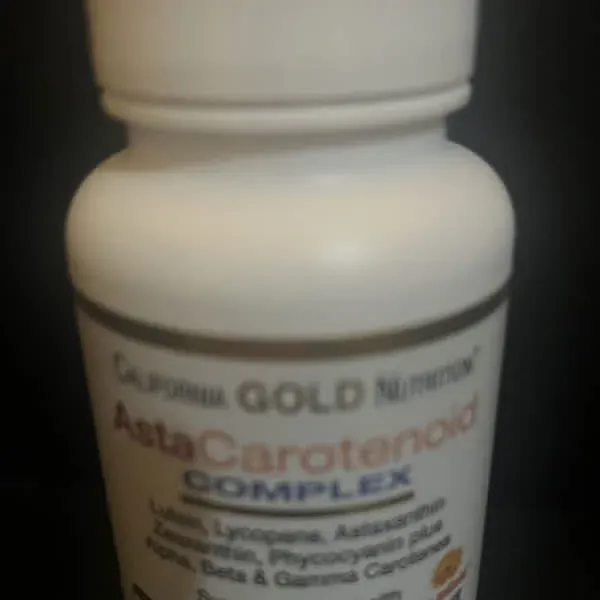
Dietary supplements containing alpha-carotene with beta-carotene, lutein, etc., for antioxidant support
Natural source of alpha-carotene and other phytonutrients
Clinical Notes
- No evidence supports isolated alpha-carotene supplementation; benefits are observed from dietary intake of whole foods.
- High-dose beta-carotene supplementation has been linked to increased lung cancer risk in smokers; caution may extend to other isolated carotenoids.
- Carotenoids are fat-soluble; absorption is enhanced with dietary fat.
- No known toxicity from dietary alpha-carotene, but safety of long-term high-dose supplements is unknown.
Research
Beta-carotene supplementation (50 mg every other day) did not significantly reduce risk of age-related maculopathy in male physicians.
Meta-analysis showed increased lung cancer risk in smokers taking beta-carotene supplements (20–30 mg/day), raising safety concerns for high-dose carotenoid supplementation.
Antioxidant supplements, including beta-carotene, may increase all-cause mortality in some populations.
Reanalysis of antioxidant trials, including beta-carotene, suggests potential increase in mortality, though primary outcomes were not mortality-focused.
Update of Cochrane review confirms potential for increased mortality with antioxidant supplements like beta-carotene.
Observational data link dietary beta-carotene with lower lung cancer risk, but RCTs do not support supplementation for lung cancer prevention.
Beta-carotene supplementation (50 mg every other day) did not reduce cancer risk in women in a randomized controlled trial.
Antioxidant supplements, including beta-carotene, may slow progression of age-related macular degeneration when combined with other nutrients (e.g., AREDS formulation).