Overview
Boron is a trace mineral that may play a role in bone health, calcium metabolism, and inflammatory regulation. Animal studies suggest boron supplementation can influence bone mineral density and biomechanical properties, particularly in the context of hormonal status, such as estrogen deficiency [1][4]. In ovariectomized rats, boron in the form of boric acid increased estrogen-induced urinary calcium excretion but did not significantly alter serum osteocalcin or mineral levels, indicating its effects may be modulated by hormonal environment [1]. In rabbits fed a high-energy diet, boron supplementation via drinking water altered bone and teeth mineral composition, with effects varying by chemical form—boric acid, borax decahydrate, and anhydrous borax—suggesting the delivery method and compound type influence outcomes [4]. Boron may also affect metabolic parameters, as seen in diabetic rats where boric acid reduced oxidative stress and improved lipid profiles [7]. However, human clinical evidence remains limited, and no established Recommended Dietary Allowance (RDA) exists. Current data support potential benefits for bone and metabolic health, but more research is needed to define optimal intake and long-term safety.
Dosage Guide
Therapeutic Doses
For treatment of specific conditions
Upper Intake Limit
Maximum safe daily intake
20 mg— Tolerable Upper Intake Level for adults set by EFSA; based on reproductive toxicity in animal studies
Special Forms
Alternative forms for specific needs
Common supplemental form; used in research at 3–10 mg elemental boron equivalents
Less common in supplements; used in animal studies
Clinical Notes
- High-dose boron supplementation (>20 mg/day) may pose reproductive or developmental risks based on animal data.
- Boron supplements may interact with hormone-sensitive conditions due to potential modulation of estrogen and testosterone metabolism.
- Avoid in pregnancy and lactation outside of dietary intake due to insufficient safety data.
- Monitor for gastrointestinal side effects at higher doses.
- Most human exposure comes from plant-based foods (fruits, vegetables, legumes) and drinking water; typical intake ranges from 1–3 mg/day.
Research
Boron supplementation increased estrogen-induced urinary calcium excretion but had minimal effect on serum minerals or osteocalcin in ovariectomized rats.
First omics-based study on boron in peripartum dairy cows; provided insights into boron distribution and metabolic effects, though production parameters and gene expression changes were not fully reported.
Review of boron exposure sources and safety; highlights dietary intake via plant foods and water, and low occupational risk from glass wool insulation.
Boron supplementation in drinking water altered bone and teeth mineral density in rabbits, with effects dependent on chemical form and diet composition.
Boron may support bone health, CNS function, and inflammation regulation; considered conditionally essential, but optimal intake in parenteral nutrition remains undefined.
In laying hens, boron supplementation (60–120 mg/kg) partially mitigated negative effects of cadmium on bone mineralization and improved eggshell quality.
In diabetic rats, boron (5–10 mg/kg) reduced oxidative stress, improved lipid profile, and increased antioxidant capacity.
Products Containing Boron(3 reports)
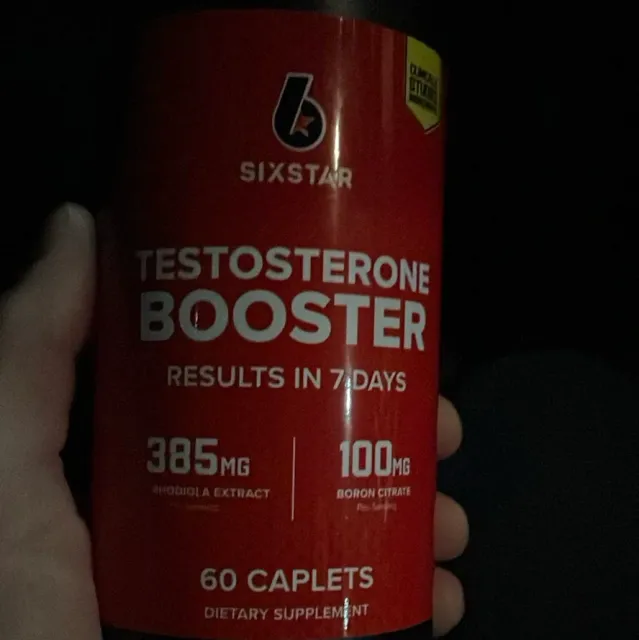
This testosterone booster contains Rhodiola extract as its primary ingredient, dosed at 385 mg per serving, which aligns closely with clinical doses studied for adaptogenic and fatigue-reducing effects. While Rhodiola may support hormonal balance under stress, there is no direct high-quality evidence that it significantly increases testosterone in humans. Supporting ingredients include thiamin, sodium, ginkgo, and boron, though most are present in sub-clinical or non-targeted amounts for testosterone enhancement.
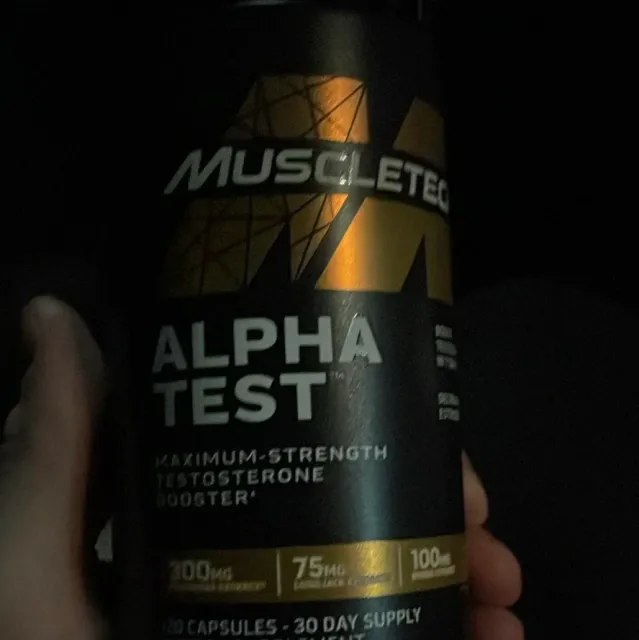
ALPHA TEST is a male performance supplement formulated with fenugreek, tribulus, and longjack extracts—herbal ingredients traditionally associated with testosterone support and sexual health. While preclinical studies suggest potential androgenic and metabolic benefits, high-quality human clinical trials do not consistently support efficacy for boosting testosterone or improving sexual function.
PRIME TEST PRO TESTOSTERONE BOOSTER is a dietary supplement formulated to support healthy testosterone levels, primarily through clinically relevant doses of Ashwagandha and Fenugreek, two botanicals with emerging evidence for endocrine modulation. The inclusion of supportive nutrients like Vitamin D3, Zinc, and Magnesium—key players in hormonal and metabolic health—further aligns the formula with evidence-based strategies for optimizing male vitality.