Overview
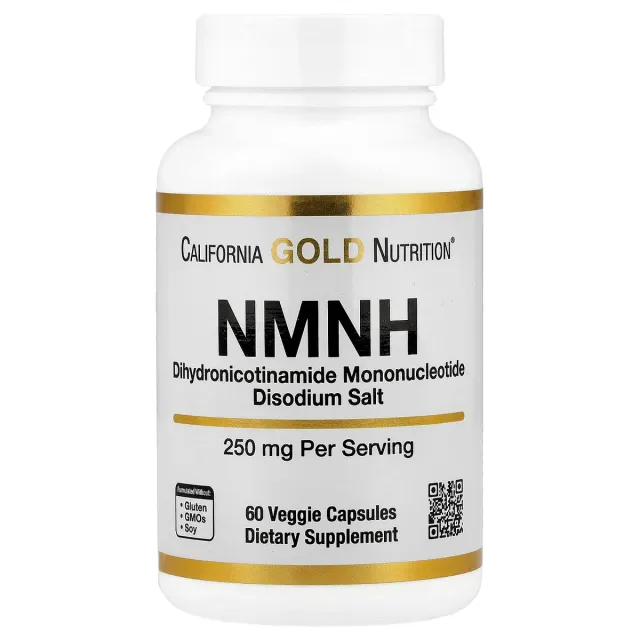
Dihydronicotinamide mononucleotide disodium salt (NMN) is a reduced form of nicotinamide mononucleotide, a precursor to nicotinamide adenine dinucleotide (NAD+), a coenzyme critical for cellular energy metabolism, DNA repair, and sirtuin activation. While preclinical studies suggest that NMN supplementation may enhance NAD+ levels and improve metabolic and age-related physiological decline, clinical evidence in humans remains limited and inconsistent. Recent meta-analyses of randomized controlled trials show that NMN supplementation (250–2000 mg/day for up to 12 weeks) significantly increases blood NAD+ levels, but does not consistently improve markers of glucose metabolism (e.g., fasting glucose, insulin, HbA1c) or lipid profiles in middle-aged and older adults [1]. Notably, one preclinical study in mice found that NMN supplementation blunted the beneficial effects of exercise on glucose metabolism in diet-induced obesity, raising concerns about context-specific efficacy [2]. Overall, while NMN effectively raises NAD+ in humans, its functional health benefits remain unproven, and long-term safety and optimal dosing are not well established [3][4].
Dosage Guide
Therapeutic Doses
For treatment of specific conditions
Upper Intake Limit
Maximum safe daily intake
2000 mg— No serious adverse events reported up to 2000 mg/day in short-term studies; long-term safety unknown
Special Forms
Alternative forms for specific needs
Alternative NAD+ precursor with better absorption and established safety profile
Standard oxidized form; more studied than dihydronicotinamide form
Clinical Notes
- No proven metabolic benefits (glucose/lipid control) despite increased NAD+ levels
- Potential interference with exercise-induced metabolic benefits observed in animal models
- Long-term safety data in humans are lacking
- High doses may increase demand for methyl donors (e.g., choline, folate, B12) due to nicotinamide methylation and excretion
- Dihydronicotinamide form (NMNH) is less studied than NMN; human data are extremely limited
Research
NMN (250–2000 mg/day) did not significantly improve fasting glucose, insulin, HbA1c, HOMA-IR, or lipid profiles in adults over 14 days to 12 weeks
In mice with diet-induced obesity, NMN supplementation reduced the glucose-metabolism benefits of exercise
Clinical evidence for NAD+ precursors like NMN improving physiological function in humans is limited and inconclusive
NAD+ depletion is linked to aging and chronic diseases; NMN is among precursors being studied, but clinical efficacy remains uncertain
High-purity synthetic nicotinamide riboside (NR) was well tolerated in a 90-day toxicity study, supporting safety of NAD+ precursors at high doses
NR is a unique NAD+ precursor that bypasses rate-limiting steps in NAD+ biosynthesis, with potential advantages over nicotinic acid and nicotinamide
Systematic review confirms NMN elevates NAD+ but shows no consistent benefit on glucose or lipid metabolism in adults