Overview
Diindolylmethane (DIM) is a metabolite derived from the breakdown of indole-3-carbinol, found in cruciferous vegetables such as broccoli and cabbage. It has been studied for its potential role in cancer chemoprevention, particularly in hormone-related cancers like breast and prostate cancer. DIM modulates estrogen metabolism by promoting the conversion of estradiol to 2-hydroxyestrone (a less estrogenic metabolite) over 16α-hydroxyestrone (a more estrogenic and potentially carcinogenic form), which may reduce estrogen-driven proliferation [1]. It also acts as a ligand for the aryl hydrocarbon receptor (AhR), influencing phase I and phase II detoxification enzymes, including induction of glutathione S-transferases and UDP-glucuronosyltransferases, supporting its classification as a phase 2 enzyme inducer [2]. Additionally, DIM exhibits antioxidant properties and may influence signal transduction pathways involved in cell cycle arrest and apoptosis, contributing to its tumor-suppressing effects in preclinical models [1][2]. However, human clinical evidence remains limited, and most data are derived from in vitro and animal studies.
Dosage Guide
Therapeutic Doses
For treatment of specific conditions
Special Forms
Alternative forms for specific needs
Patented, clinically studied form with enhanced absorption
Improved bioavailability when combined with black pepper extract
Clinical Notes
- Avoid in pregnancy and breastfeeding due to hormonal activity
- May interact with hormonal therapies (e.g., tamoxifen, birth control pills) – use with caution
- Potential for gastrointestinal side effects (nausea, gas) at higher doses
- Monitor liver function with long-term, high-dose use due to metabolic processing via liver enzymes
- Use cautiously in individuals with thyroid disorders – cruciferous derivatives may affect thyroid hormone synthesis
Research
Diindolylmethane acts as a chemopreventive agent by modulating drug-metabolizing enzymes and scavenging reactive oxygen species, with both blocking and suppressing mechanisms in carcinogenesis.
DIM induces phase 2 detoxification enzymes, which play a key role in neutralizing carcinogens and protecting against oxidative stress, supporting its chemoprotective potential.
While focused on isoflavones, this review highlights the importance of timing, dose, and form of dietary compounds in chemoprevention, principles applicable to DIM use.
Antioxidant and anti-inflammatory agents like DIM may have radioprotective potential through modulation of oxidative stress pathways, though direct evidence for DIM is lacking.
Antioxidants inhibit lipid peroxidation induced by peroxyl radicals and peroxynitrite, suggesting a potential mechanism by which DIM may reduce oxidative damage.
Structurally related compounds with antioxidant activity protect against microvascular damage in ischemia/reperfusion, supporting the biological plausibility of DIM's antioxidant effects.
Liver injury can alter pharmacokinetics of phenolic antioxidants, suggesting that DIM metabolism may also be affected in hepatic impairment.
Products Containing Diindolylmethane(2 reports)
PRIME TEST PRO TESTOSTERONE BOOSTER is a dietary supplement formulated to support healthy testosterone levels, primarily through clinically relevant doses of Ashwagandha and Fenugreek, two botanicals with emerging evidence for endocrine modulation. The inclusion of supportive nutrients like Vitamin D3, Zinc, and Magnesium—key players in hormonal and metabolic health—further aligns the formula with evidence-based strategies for optimizing male vitality.
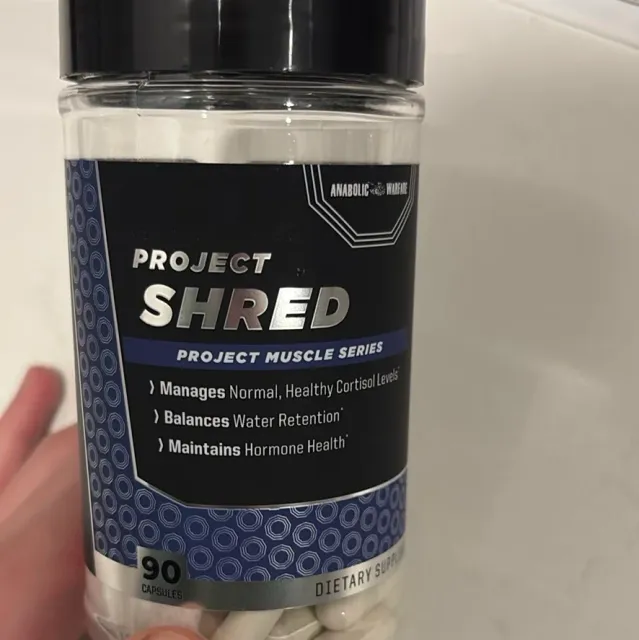
PROJECT SHRED is a dietary supplement formulated with high-dose cruciferous phytonutrients DIM and Indole-3-Carbinol (I3C), both clinically studied for their role in estrogen metabolism and hormonal balance. These primary ingredients are supported by liver- and metabolic-supporting botanicals such as dandelion root, white button mushroom, and uva ursi, targeting detoxification and metabolic health. The formulation emphasizes hormonal optimization and antioxidant support, particularly relevant for individuals managing estrogenic activity or seeking metabolic enhancement.