Overview
Fenugreek extract, derived from Trigonella foenum-graecum, has demonstrated potential health benefits in preclinical and clinical studies, particularly in metabolic and oncological contexts. Animal studies indicate that fenugreek seed extract exhibits chemopreventive properties against breast cancer, significantly reducing DMBA-induced mammary hyperplasia and tumor incidence, possibly through induction of apoptosis [1]. Additional research highlights its bioactive components—including saponins, flavonoids, and polyphenols—as contributors to antioxidant, anti-inflammatory, and hepatoprotective effects [5]. In a meta-analysis of randomized controlled trials, fenugreek seed consumption was associated with significant reductions in both systolic and diastolic blood pressure, suggesting a role in cardiovascular health [4]. The protective effects against ethanol-induced liver cell toxicity further support its potential in mitigating oxidative stress and cellular damage [8].
Dosage Guide
Therapeutic Doses
For treatment of specific conditions
Clinical Notes
- Human clinical evidence is limited; most anticancer and hepatoprotective data are from animal or cell studies.
- Potential for gastrointestinal side effects (e.g., diarrhea, gas) at higher doses.
- Fenugreek may interact with antidiabetic medications due to hypoglycemic effects.
- Safety in pregnancy beyond culinary use is not established; may have uterine stimulant effects.
- Standardization of extracts varies; product potency may differ significantly between brands.
Research
Fenugreek seed extract at 200 mg/kg b.wt. significantly inhibited DMBA-induced breast cancer in rats, suggesting chemopreventive potential.
Over 100 phytochemicals identified in fenugreek seeds, including polysaccharides, saponins, and flavonoids, contribute to its bioactivity and clinical applications.
Standardized herbal extracts may provide consistent pharmacological activity, but whole-herb effects may differ from isolated compounds.
Fenugreek seed consumption significantly reduced systolic and diastolic blood pressure in a meta-analysis of RCTs.
Fenugreek exhibits anticancer potential via modulation of oxidative stress, inflammation, and apoptosis-related signaling pathways.
Provides clinical guidance on herbal supplements, including dosing and safety considerations for common botanicals.
Highlights safety concerns with herbal supplements due to limited regulation and potential toxicity.
Polyphenolic fenugreek extract protected human liver cells from ethanol-induced toxicity and apoptosis in vitro.
Products Containing Fenugreek extract(2 reports)
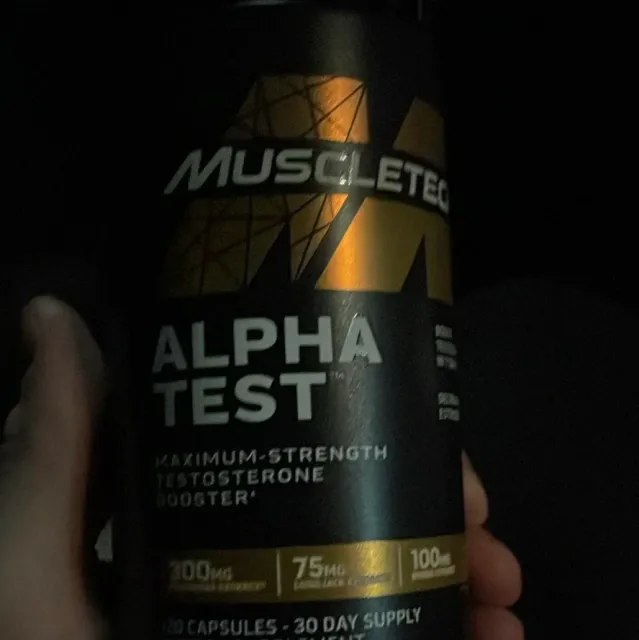
ALPHA TEST is a male performance supplement formulated with fenugreek, tribulus, and longjack extracts—herbal ingredients traditionally associated with testosterone support and sexual health. While preclinical studies suggest potential androgenic and metabolic benefits, high-quality human clinical trials do not consistently support efficacy for boosting testosterone or improving sexual function.
PRIME TEST PRO TESTOSTERONE BOOSTER is a dietary supplement formulated to support healthy testosterone levels, primarily through clinically relevant doses of Ashwagandha and Fenugreek, two botanicals with emerging evidence for endocrine modulation. The inclusion of supportive nutrients like Vitamin D3, Zinc, and Magnesium—key players in hormonal and metabolic health—further aligns the formula with evidence-based strategies for optimizing male vitality.