Overview
Glycine is a non-essential amino acid involved in multiple physiological processes, including protein synthesis, antioxidant defense, and purine metabolism. It serves as a precursor for glutathione, creatine, and heme synthesis, and has anti-inflammatory and cytoprotective properties. Clinical evidence suggests that glycine supplementation, particularly in combination with tryptophan, can significantly reduce serum uric acid levels in individuals with mild hyperuricemia, likely through enhanced uric acid metabolism or excretion [1]. Additionally, glycine is a key substrate in the endogenous production of guanidinoacetic acid (GAA), which is further converted to creatine, highlighting its role in energy metabolism [2]. Dietary sources of glycine include protein-rich foods such as meat, dairy, and legumes, with higher concentrations found in collagen-containing tissues.
Dosage Guide
Therapeutic Doses
For treatment of specific conditions
Special Forms
Alternative forms for specific needs
Common form for oral supplementation, high solubility and bioavailability
Clinical Notes
- Glycine is generally well tolerated at doses up to 3 g/day; higher doses may cause gastrointestinal discomfort.
- Theoretical risk of exacerbating NMDA receptor overactivation in neurological conditions, though clinical evidence is lacking.
- No established Tolerable Upper Intake Level (UL) for glycine in healthy adults based on current literature.
Research
Combined supplementation with 3.0 g glycine and 0.2 g tryptophan daily for 6 weeks significantly reduced serum uric acid levels in subjects with mild hyperuricemia.
GAA supplementation influences GABAergic pathways; glycine is a direct metabolic precursor in GAA synthesis.
Glycine levels were measured as part of amino acid metabolism during L-arginine supplementation, indicating its interconnected role in nitrogen metabolism.
Products Containing Glycine(2 reports)
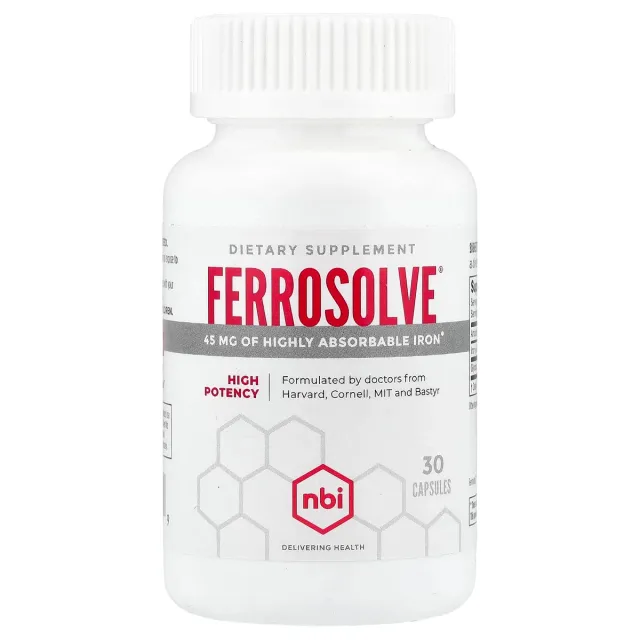
Ferrosolve® is a high-potency iron supplement designed to address iron deficiency and support hemoglobin synthesis. The formulation delivers 45 mg of elemental iron per serving, a dose aligned with therapeutic ranges for iron deficiency anemia, particularly in adults with increased needs or suboptimal dietary intake.
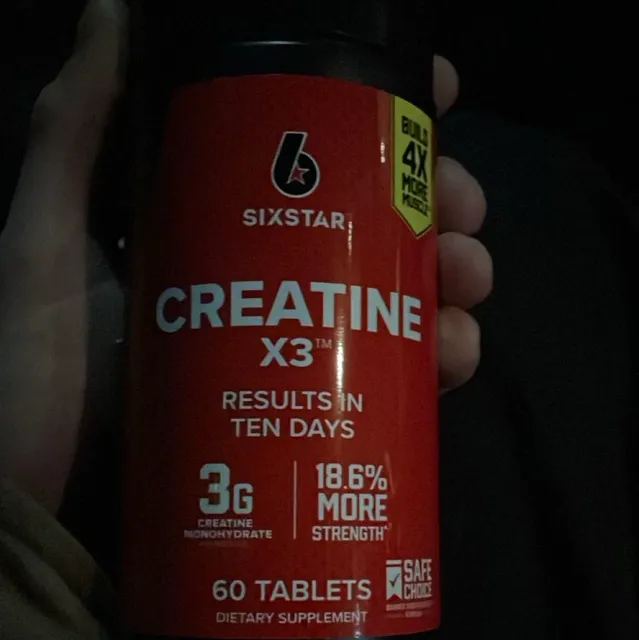
CREATINE X3 is a performance-focused dietary supplement centered on creatine monohydrate, the most researched and effective form of creatine for enhancing high-intensity exercise capacity. With a clinically effective dose of 3,000 mg per serving, it supports increased strength, power output, and lean mass gains when combined with resistance training.