Overview
Inositol, particularly myo-inositol, is a naturally occurring compound involved in insulin signaling, cellular metabolism, and neurotransmitter regulation. It functions as a second messenger in insulin pathways, improving insulin sensitivity, which underlies its benefits in metabolic and reproductive health. Clinical evidence supports its use in reducing the risk of gestational diabetes, especially in high-risk pregnancies, with antenatal supplementation showing significant protective effects [4]. Inositol also improves metabolic parameters such as blood pressure, lipid profiles, and insulin resistance in individuals with metabolic syndrome [1][2][5]. In reproductive health, myo-inositol supplementation enhances ovarian response and embryo quality in women with poor ovarian reserve undergoing assisted reproduction [7]. Additionally, inositol may support neonatal lung maturation and reduce complications in preterm infants with respiratory distress syndrome [5]. Overall, inositol is well-tolerated with minimal side effects across diverse populations.
Dosage Guide
Therapeutic Doses
For treatment of specific conditions
Special Forms
Alternative forms for specific needs
Most studied form; used in metabolic, reproductive, and perinatal applications
Less common; sometimes combined with myo-inositol for PCOS at 40:1 ratio
Clinical Notes
- Inositol is generally well-tolerated; mild gastrointestinal side effects (nausea, diarrhea) may occur at higher doses.
- No established RDA or UL for inositol; endogenous synthesis and dietary intake vary widely.
- Use in pregnancy is supported for metabolic indications but should be coordinated with prenatal care providers.
- In preterm infants, inositol supplementation should only be administered under medical supervision in a neonatal intensive care setting.
Research
Inositol supplementation significantly reduces systolic and diastolic blood pressure in adults.
Myo-inositol (2 g twice daily) for 12 months improves insulin sensitivity, lipids, and blood pressure in postmenopausal women with metabolic syndrome.
Inositol has insulin-sensitizing, anti-inflammatory, and antioxidant properties, supporting its use in pregnancy-related metabolic complications.
Antenatal myo-inositol supplementation reduces the risk of gestational diabetes mellitus.
Supplementary inositol may reduce adverse outcomes like death and bronchopulmonary dysplasia in preterm infants with respiratory distress syndrome.
Inositol supplementation improves lipid profiles, including triglycerides and HDL-C, in patients with metabolic diseases.
Myo-inositol (4 g/day) improves oocyte quality and ovarian sensitivity in poor responders undergoing ICSI.
Products Containing Inositol(2 reports)
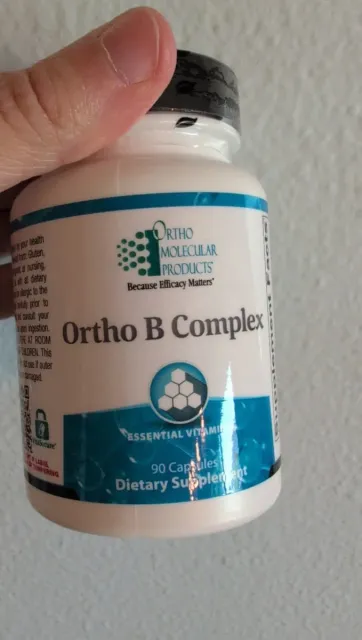
Ortho B Complex is a high-potency B-complex supplement delivering 50 mg each of vitamins B1, B2, B3, B5, and B6, along with 200 mcg B12, 1,360 mcg folic acid (B9), 75 mcg biotin, 19 mg choline, and 50 mg inositol. The formulation emphasizes pharmacological doses of B vitamins, particularly those involved in energy metabolism, homocysteine regulation, and neurological function.
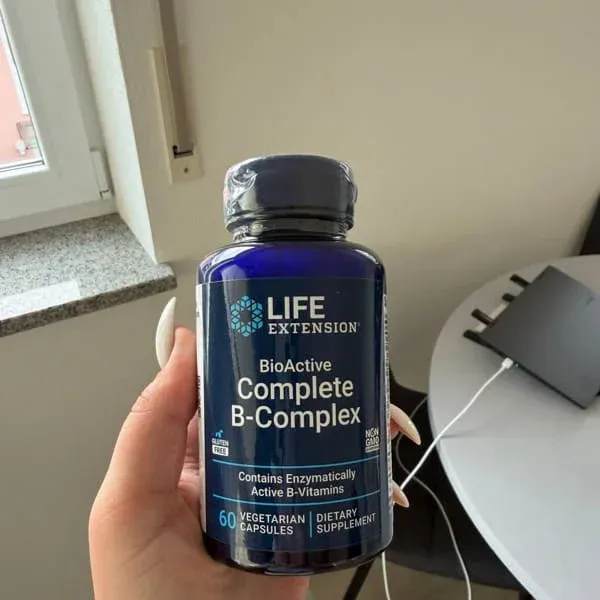
BioActive Complete B-Complex is a high-potency B-vitamin supplement designed to support energy metabolism, neurological function, and homocysteine regulation. The formulation features all eight B vitamins at doses that meet or exceed clinically studied levels for key indications, with particular emphasis on B1, B2, B3, B6, B9, and B12 for metabolic and neurological support.