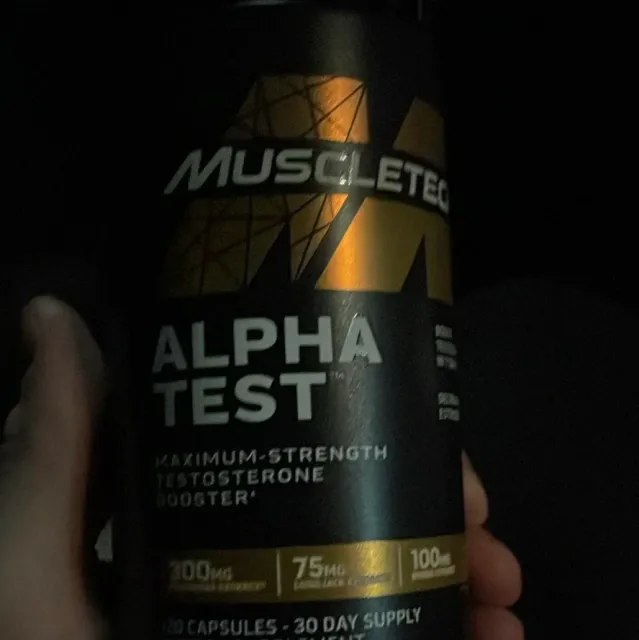
Overview
Longjack extract, derived from the plant Eurycoma longifolia, is traditionally used for its potential anti-inflammatory and testosterone-enhancing properties. While some natural products have demonstrated anti-inflammatory effects in preclinical studies, specific high-quality clinical evidence for Longjack remains limited [1]. It has been explored in the context of male reproductive health and chronic prostatitis due to proposed phytotherapeutic mechanisms, though robust placebo-controlled trials are lacking to confirm efficacy [3]. The use of herbal supplements like Longjack must be approached with caution due to the potential for hepatotoxicity, as highlighted in reviews on herbal and dietary supplement-induced liver injury [4]. Currently, there is insufficient evidence to support definitive therapeutic dosing or broad health benefits.
Dosage Guide
Therapeutic Doses
For treatment of specific conditions
Research
Reviews anti-inflammatory activities of natural products, including plant extracts, though specific data on Longjack is limited.
Highlights that while some herbal medicines are efficacious, many lack rigorous clinical testing and carry potential risks.
Suggests phytotherapeutic agents may have anti-inflammatory effects useful in chronic prostatitis, but calls for more placebo-controlled trials.
Reports increasing cases of herbal and dietary supplement-induced liver injury, emphasizing safety concerns with botanicals like Longjack.
Discusses herbal extracts for NAFLD/NASH, but does not specifically implicate Longjack with strong evidence.
Notes widespread use of phytotherapeutic agents for benign prostatic hyperplasia but underscores lack of conclusive efficacy data due to poor study design.
Reviews clinical herbal toxicity, supporting the need for caution with herbal supplements due to potential adverse effects and interactions.