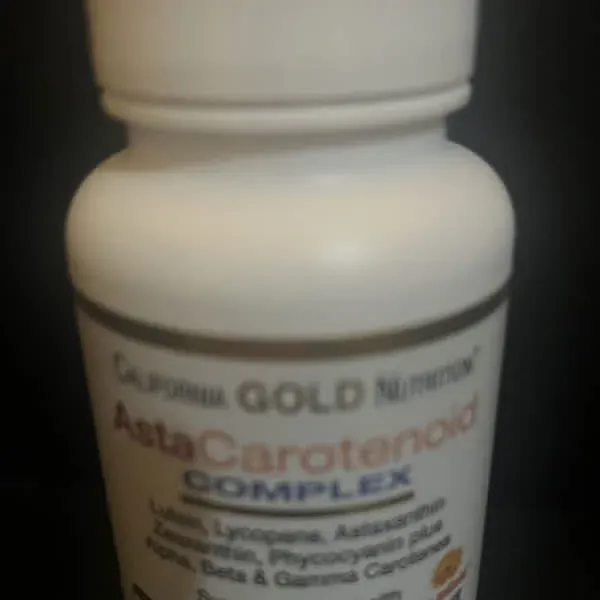
Overview
Lycopene is a non-provitamin A carotenoid found predominantly in tomatoes, watermelon, and grapefruit, known for its potent antioxidant properties. It has been studied for its potential role in reducing oxidative stress, supporting prostate health, and lowering blood pressure. Clinical evidence suggests that lycopene supplementation, particularly at doses above 12 mg/day, may significantly reduce systolic blood pressure in individuals with elevated baseline levels [4]. Additionally, a pilot study in men with benign prostatic hyperplasia (BPH) showed that 15 mg/day of lycopene for 6 months inhibited disease progression, suggesting a potential role in prostate health [2]. Lycopene also increases plasma antioxidant capacity and may reduce LDL oxidation, although results on immune function have been inconsistent [5][1]. Despite promising observational data linking high dietary lycopene intake with reduced risk of prostate cancer, clinical trial evidence remains limited and inconclusive [2].
Dosage Guide
Therapeutic Doses
For treatment of specific conditions
Upper Intake Limit
Maximum safe daily intake
75 mg— No adverse effects reported up to 75 mg/day in clinical trials; no official UL established by FDA
Clinical Notes
- Lycopene has strong antioxidant activity and may theoretically interfere with chemotherapy or radiation therapy; caution advised in cancer patients
- Bioavailability is higher from cooked or processed tomato products than raw sources
- Fat enhances absorption; recommend taking with a meal containing dietary fat
- Long-term safety at high doses (>75 mg/day) not well studied
Research
13.3 mg/day lycopene for 12 weeks did not enhance cell-mediated immunity in healthy elderly adults.
15 mg/day lycopene for 6 months inhibited disease progression in men with benign prostate hyperplasia.
Purified lycopene supplementation (5–75 mg/day) increased plasma lycopene and reduced oxidative stress biomarkers in a dose-dependent manner over 8 weeks.
Meta-analysis showed lycopene supplementation significantly reduced systolic blood pressure, especially at doses >12 mg/day.
13.3 mg/day lycopene increased LDL lycopene content and improved resistance to oxidative modification in vitro.
Lycopene supplementation increased plasma levels but had minimal effects on monocyte surface molecule expression in healthy male nonsmokers.
Lycopene may serve as an add-on therapy for metabolic disorders, with potential benefits in cardiovascular and diabetic conditions, though bioavailability varies.