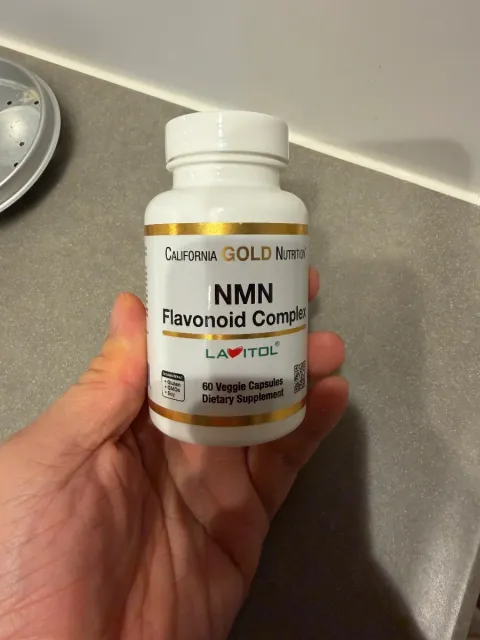
Overview
Nicotinamide mononucleotide (NMN) is a precursor to nicotinamide adenine dinucleotide (NAD+), a coenzyme critical for cellular energy metabolism, DNA repair, and regulation of aging-related pathways. NAD+ levels decline with age, and preclinical studies suggest that NMN supplementation can restore NAD+ levels, improving metabolic health, mitochondrial function, and cardiovascular parameters. In humans, NMN supplementation has been shown to significantly and dose-dependently increase blood NAD+ concentrations, with doses of 300–900 mg/day producing measurable elevations over 60 days [9][3][4]. However, clinical evidence for functional benefits—such as improved glucose metabolism, lipid profiles, insulin sensitivity, or physical performance—remains limited and inconsistent across trials [4][9][3]. While some studies report trends toward improved arterial stiffness or insulin sensitivity, these findings are not consistently replicated, and larger, longer-term trials are needed to confirm physiological benefits [3][9]. NMN appears safe and well-tolerated in healthy middle-aged adults at doses up to 900 mg/day for 60 days [10][9].
Dosage Guide
Therapeutic Doses
For treatment of specific conditions
Upper Intake Limit
Maximum safe daily intake
900 mg— No adverse events up to 900 mg/day for 60 days; long-term safety unknown
Special Forms
Alternative forms for specific needs
Stable, bioavailable form used in clinical trials
Proprietary delivery form; limited evidence for superior absorption
Clinical Notes
- No established RDA for NMN; it is not an essential nutrient
- Long-term safety beyond 60 days is unknown; no data on use in adolescents, pregnant, or severely ill individuals
- Increases in NAD+ levels do not consistently translate to measurable clinical benefits in metabolic or physical performance outcomes
- Theoretical concern for stimulating pre-existing cancer cells due to NAD+'s role in DNA repair and cell proliferation; caution in individuals with cancer history
Research
Dose-dependent increase in blood NAD+ levels with 300–900 mg/day NMN over 60 days in healthy adults aged 40–65
NMN at 300–900 mg/day for 60 days significantly increased NAD+ levels and was safe and well-tolerated in healthy middle-aged adults
125 mg NMN twice daily for 12 weeks increased serum nicotinamide levels but showed no significant effects on arterial stiffness or metabolic markers in healthy middle-aged adults
Meta-analysis of 12 RCTs found NMN significantly increases blood NAD+ levels but shows inconsistent effects on glucose and lipid metabolism
Review highlights limited clinical evidence for NAD+ precursors improving physiological function in humans despite robust preclinical data
Human studies on nicotinamide riboside (a related NAD+ precursor) show few clinically relevant effects, raising questions about translatability of preclinical findings
NR (a related NAD+ precursor) increases blood NAD+ levels in humans; supports pharmacokinetic feasibility of NAD+ precursor supplementation
Preclinical evidence supports NMN's cardioprotective potential by restoring cardiac NAD+ homeostasis during aging
No significant changes in insulin resistance, physical performance, or quality of life (SF-36) were observed despite increased NAD+ levels
No serious adverse events reported with NMN supplementation up to 900 mg/day for 60 days