Overview
Omega-3 fatty acids, specifically eicosapentaenoic acid (EPA) and docosahexaenoic acid (DHA), are essential long-chain polyunsaturated fatty acids that play critical roles in cardiovascular health, brain function, and inflammation modulation. Epidemiological and clinical studies consistently show that higher tissue levels of EPA and DHA—measured as the omega-3 index (O3I)—are inversely associated with cardiovascular events and total mortality [7][5]. Supplementation increases erythrocyte EPA + DHA concentrations in a dose-dependent manner, with baseline O3I, dose, and chemical form (triglyceride vs. ethyl ester) influencing response [1]. The benefits of omega-3 supplementation may be attenuated in individuals on statin therapy, potentially explaining inconsistent results in recent cardiovascular trials [4]. Dosing frequency (daily vs. weekly) does not significantly alter long-term incorporation into blood cells when total weekly intake is matched, supporting flexible dosing strategies [6]. However, optimal efficacy appears dependent on achieving sufficient tissue saturation, underscoring the importance of adequate dosing and duration [7][1].
Dosage Guide
Recommended Daily Allowance
For generally healthy individuals
Therapeutic Doses
For treatment of specific conditions
Upper Intake Limit
Maximum safe daily intake
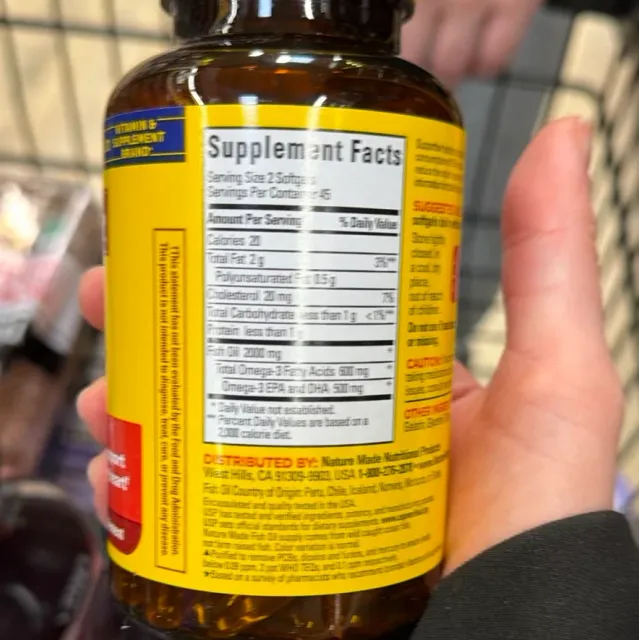
5000 mg— FDA considers up to 5000 mg/day of EPA+DHA from supplements generally safe
Special Forms
Alternative forms for specific needs
Cardiovascular risk reduction in high-risk patients, especially on statins; shown to reduce events in REDUCE-IT trial
Improved bioavailability; used in prescription formulations for severe hypertriglyceridemia
Alternative formulation with potential for better tissue uptake; limited comparative efficacy data
Clinical Notes
- Monitor omega-3 index when possible; target >8% for cardiovascular protection
- High-dose omega-3s (>2 g/day) may increase bleeding risk, especially with anticoagulants
- Ethyl ester forms should be taken with meals to improve absorption
- Statin therapy may attenuate cardiovascular benefits of omega-3s; consider higher EPA doses (e.g., icosapent ethyl) in statin-treated patients
- Ensure product quality: choose third-party tested supplements to avoid oxidation and contamination
Research
EPA+DHA supplementation increases omega-3 index in a dose-dependent manner; baseline O3I, dose, and chemical form are key predictors of response.
Inconsistent outcomes in omega-3 trials may be resolved through personalized prevention trials considering dose, placebo, and duration.
Bioavailability varies by formulation (e.g., ethyl ester vs. triglyceride vs. carboxylic acid), impacting efficacy and dosing requirements.
Concomitant statin use may reduce the cardiovascular benefit observed with omega-3 supplementation in clinical trials.
Dietary n-3 PUFAs incorporate rapidly into cell membranes, particularly cardiac tissue, supporting their cardioprotective role.
Intermittent (twice weekly) vs. daily dosing of equivalent weekly EPA+DHA results in similar incorporation into blood cells over 12 months.
Cardiovascular benefits of omega-3s depend on baseline tissue levels and adequate dosing; low doses may be ineffective.
Suggested intake of 500 mg/day EPA+DHA is based on cardiovascular protection from fish consumption; formal RDA not established.