Overview
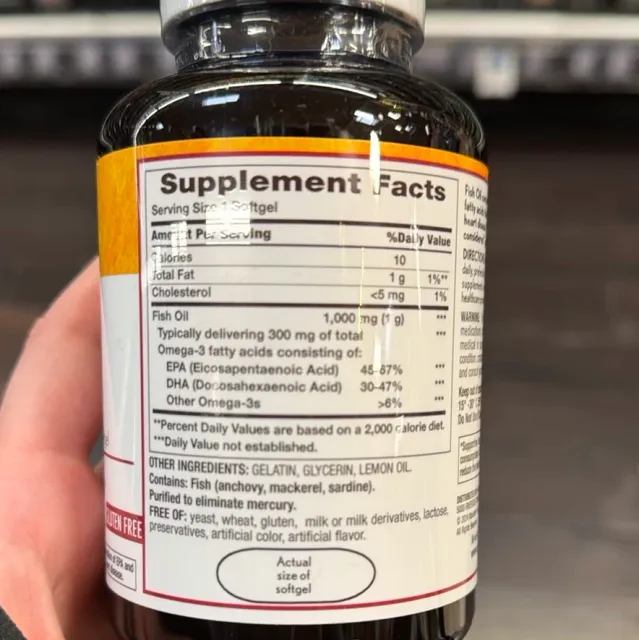
Omega-3 polyunsaturated fatty acids (PUFAs), particularly eicosapentaenoic acid (EPA) and docosahexaenoic acid (DHA), play a critical role in modulating inflammation and oxidative stress, primarily by competing with arachidonic acid in the inflammatory cascade and reducing excessive pathophysiological responses [1]. These long-chain omega-3s exhibit anti-inflammatory and potential antioxidant properties, which may help mitigate chronic diseases such as atherosclerosis and depression [1][5][6]. While early studies suggested cardiovascular benefits, recent meta-analyses indicate that omega-3 supplementation does not significantly reduce cardiovascular events in patients already receiving statin therapy, suggesting that the clinical benefit may be limited in the context of modern preventive treatment [2][4]. However, prescription-strength omega-3 formulations may still offer cardiovascular protection in specific high-risk populations, particularly when targeting elevated triglycerides [7]. In individuals with chronic atherosclerotic disease, higher doses may be required to achieve therapeutic blood levels due to increased utilization in anti-inflammatory processes [8]. Additionally, omega-3 supplementation shows promise in managing depression, especially in patients with low baseline EPA and DHA levels [5].
Dosage Guide
Recommended Daily Allowance
For generally healthy individuals
Therapeutic Doses
For treatment of specific conditions
Upper Intake Limit
Maximum safe daily intake
5000 mg— Safe upper limit for combined EPA and DHA per day; doses >3 g/day may increase bleeding risk
Special Forms
Alternative forms for specific needs
Prescription for high triglycerides and cardiovascular risk reduction
Prescription for severe hypertriglyceridemia
Clinical Notes
- High-dose omega-3 supplements (>3 g/day) may increase bleeding risk, especially with anticoagulants like warfarin or antiplatelets.
- Prescription omega-3 formulations are more effective than over-the-counter supplements for triglyceride lowering.
- Monitor triglyceride and liver function levels when using high-dose omega-3 therapy.
- Omega-3s may lower blood pressure; monitor in patients on antihypertensives.
- Ensure adequate vitamin E intake with high-dose PUFA supplementation to prevent lipid peroxidation.
Research
Omega-3 PUFAs reduce overreactions in the arachidonic acid cascade, balancing inflammatory responses.
Omega-3 supplementation did not reduce secondary cardiovascular events in patients with prior CVD.
Consumers often misunderstand differences in omega-3 types and their physiological efficacy.
Statin use may diminish the observable cardiovascular benefit of omega-3 supplementation in clinical trials.
Omega-3 fatty acids may improve depressive symptoms, particularly with sufficient EPA and DHA levels.
Omega-3s may act as antioxidants in vascular cells, reducing oxidative stress and inflammation.
Prescription omega-3 formulations show potential for CVD prevention in high-risk populations.
Patients with atherosclerotic disease may require higher omega-3 doses to reach therapeutic blood levels (e.g., EPA ≥150 µg/mL or omega-3 index ≥8%).