Overview
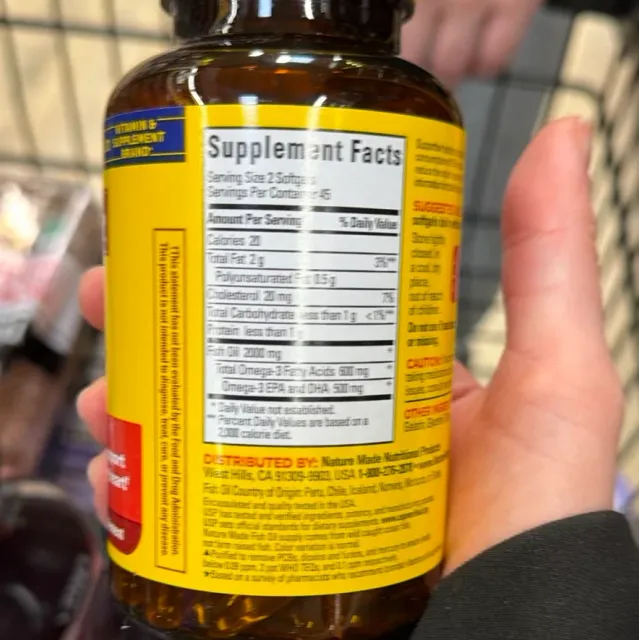
Omega-3 fatty acids, particularly eicosapentaenoic acid (EPA) and docosahexaenoic acid (DHA), are essential polyunsaturated fats with anti-inflammatory and cardioprotective properties. While general omega-3 supplementation has shown inconsistent benefits for cardiovascular prevention in recent trials, high-dose, purified EPA (icosapent ethyl) significantly reduces major adverse cardiovascular events in high-risk patients already on statins, especially those with elevated triglycerides [4][1]. Omega-3 supplementation effectively lowers triglycerides and improves lipid profiles, including reducing small, dense LDL particles, when combined with statin therapy [7]. Dose appears to be critical: meta-analyses suggest that doses ≥2 g/day of EPA+DHA may be necessary to achieve cardiovascular benefits, with more consistent effects observed at 4 g/day in high-risk populations [3][8]. Individuals with chronic atherosclerotic disease may require higher intake to reach therapeutic blood levels (omega-3 index ≥8%), likely due to increased oxidative and inflammatory turnover [8].
Dosage Guide
Recommended Daily Allowance
For generally healthy individuals
Therapeutic Doses
For treatment of specific conditions
Upper Intake Limit
Maximum safe daily intake
5000 mg— Generally recognized as safe up to 5 g/day; higher doses may increase bleeding risk
Special Forms
Alternative forms for specific needs
High-dose purified EPA; FDA-approved for cardiovascular risk reduction in high-risk patients
Triglyceride form may have better bioavailability; ethyl esters require food for absorption
Clinical Notes
- High-dose omega-3s (≥3 g/day) may increase bleeding risk, especially with anticoagulants (e.g., warfarin, aspirin).
- Monitor for gastrointestinal side effects (burping, diarrhea) and fishy aftertaste.
- Use caution in patients with seafood allergies; consider algal oil as an alternative.
- Omega-3 supplements may modestly increase LDL-C in some individuals; monitor lipid panels.
- Ensure patients are not exceeding safe upper limits without medical supervision, especially with prescription formulations.
Research
EPA or EPA+DHA supplementation reduces myocardial infarction and cardiovascular events, with stronger effects for high-dose EPA.
Cardiovascular benefits of omega-3s may depend on formulation, dose, and background medical therapy.
Dose-response analysis shows greater cardiovascular risk reduction with higher omega-3 doses (≥2 g/day), especially 4 g/day.
High-dose icosapent ethyl (purified EPA) reduces cardiovascular events in high-risk patients on statins with elevated triglycerides.
Omega-3 supplementation did not reduce secondary cardiovascular events in a meta-analysis of patients with prior CVD.
Meta-analysis of 10 trials found no significant reduction in coronary heart disease or vascular events with omega-3 supplementation in general populations.
4 g/day EPA+DHA improves lipid profile, including reducing small, dense LDL-C, in statin-treated hyperlipidemic patients.
Patients with chronic atherosclerotic disease may need higher omega-3 doses to achieve therapeutic blood levels (omega-3 index ≥8%).