Overview
Tribulus terrestris is a herbal supplement traditionally used for its potential effects on cardiovascular health, male sexual function, and metabolic parameters. Preclinical studies suggest that Tribulus extract may exert antihypertensive effects through inhibition of angiotensin-converting enzyme (ACE) activity in vascular and renal tissues, as demonstrated in hypertensive rat models [1]. Some animal studies report increases in free serum testosterone following administration of Tribulus alatus fruit extracts, particularly chloroformic and ethanolic fractions, suggesting possible androgen-enhancing properties [2]. However, human clinical evidence does not consistently support these effects; a randomized controlled trial in men with unexplained infertility found no significant changes in total or free testosterone, luteinizing hormone (LH), or semen parameters after 750 mg/day of Tribulus terrestris for three months [4]. Another double-blind, placebo-controlled trial in men with erectile dysfunction showed no significant improvement in sexual function compared to placebo [8]. Additionally, alcoholic extracts of Tribulus species have demonstrated hypoglycemic and hypolipidemic effects in diabetic rat models, with reductions in fasting glucose, HbA1c, total cholesterol, triglycerides, and LDL [6]. Despite promising preclinical findings, current clinical evidence does not support strong efficacy of Tribulus terrestris for enhancing testosterone or treating male infertility or erectile dysfunction.
Dosage Guide
Therapeutic Doses
For treatment of specific conditions
Special Forms
Alternative forms for specific needs
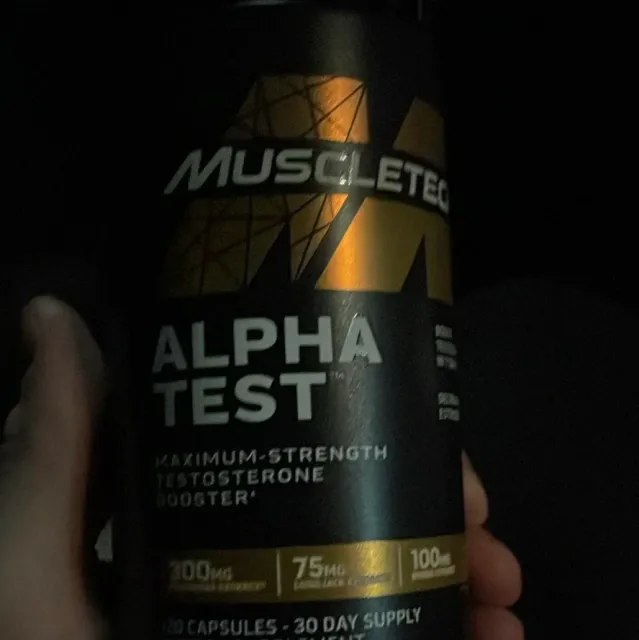
Common form in supplements targeting testosterone or libido
Used in antihypertensive animal studies
Used in studies showing hypoglycemic and testosterone-enhancing effects in animals
Clinical Notes
- Current clinical evidence does not support the use of Tribulus terrestris for increasing testosterone or improving semen parameters in men.
- No significant benefit was found for erectile dysfunction or hypoactive sexual desire disorder in a high-quality RCT.
- Animal studies show potential antihypertensive and hypoglycemic effects, but human data are lacking.
- Safety profile appears favorable in short-term use, but long-term human safety data are limited.
- Potential for herb-drug interactions due to bioactive saponins; monitor in patients on antihypertensives or antidiabetic agents.
Research
Tribulus fruit extract (10 mg/kg/day orally) reduced blood pressure in hypertensive rats via inhibition of tissue ACE activity in aorta, kidney, and heart.
Alcoholic extracts of Tribulus alatus fruits significantly increased free serum testosterone in male rats, with maximal effect from chloroformic and ethanolic fractions.
Two new steroidal glycosides were isolated from Tribulus terrestris, suggesting bioactive phytochemical constituents.
750 mg/day of Tribulus terrestris for 3 months in men with idiopathic infertility showed no significant change in testosterone, LH, or semen parameters.
Three new steroidal saponins were isolated from Tribulus terrestris fruits, contributing to its phytochemical profile.
Alcoholic extract of T. alatus significantly reduced fasting glucose, HbA1c, total cholesterol, triglycerides, and LDL in diabetic rats, outperforming T. terrestris.
Two new steroid saponins, terrestrinins A and B, were isolated from Tribulus terrestris, indicating complex steroidal composition.
Randomized, double-blind, placebo-controlled trial found no significant efficacy of Tribulus terrestris (Tribestan) over placebo in treating mild to moderate erectile dysfunction or HSDD.