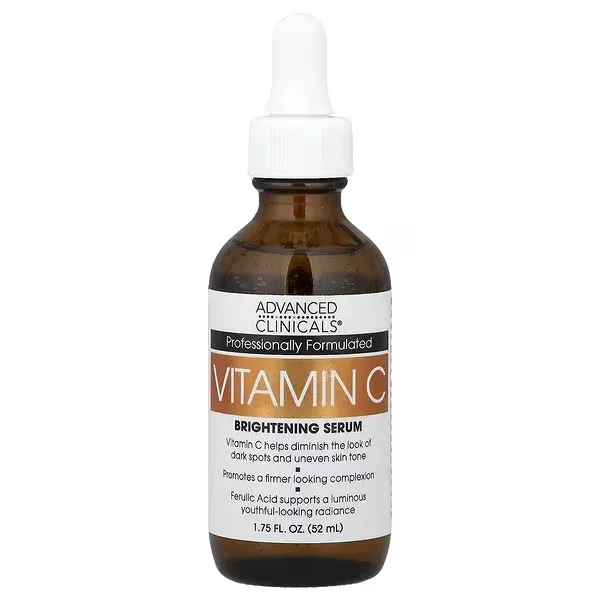
Topical vitamin C serums are widely used for their potential to brighten skin tone, reduce hyperpigmentation, and protect against oxidative damage from UV exposure and pollution. These effects are primarily attributed to L-ascorbic acid (vitamin C) and synergistic antioxidants like ferulic acid, which stabilize the formulation and enhance photoprotection. For these ingredients to be effective, they must be present in sufficient concentrations and in bioavailable, stable forms.
However, in the case of Advanced Clinicals' Vitamin C Brightening Serum, neither vitamin C nor ferulic acid was detected in the provided ingredient analysis. This suggests either inadequate formulation, degradation due to poor stability, or misleading labeling. Without verified active ingredients at effective levels, the product is unlikely to deliver the skin benefits typically associated with clinically studied brightening serums.
Quick Summary
The product name suggests key active ingredients that were not detected, indicating poor transparency. Lack of disclosed concentrations undermines consumer trust and makes efficacy assessment impossible.
Without detectable vitamin C or ferulic acid, the product is unlikely to deliver any of the brightening, antioxidant, or photoprotective effects associated with clinically effective serums. Efficacy is minimal to none.
Even if present, vitamin C requires proper pH and formulation for skin penetration. The absence of detectable actives means bioavailability is effectively zero for the intended benefits.
The product is likely safe due to lack of active ingredients, minimizing risk of irritation or adverse reactions. However, safety cannot be fully assessed without full ingredient disclosure.
Why Take This Product
Key Benefits
- Skin Brightening: Vitamin C inhibits melanin production, which can reduce dark spots and lead to a more radiant complexion. However, this benefit requires stable, adequately dosed vitamin C, which was not detected in this product.
- Improved Skin Barrier Function: Ferulic acid has been shown to support skin hydration and reduce transepidermal water loss, contributing to a healthier skin barrier [2]. However, without detectable levels, this benefit is unlikely here.
Who Should Take This
Potential Side Effects
Ingredient Breakdown
Effective topical serums rely on precise concentrations of active ingredients. Vitamin C (L-ascorbic acid) is most effective at 10–20% concentration, while ferulic acid enhances stability and efficacy at 0.5–1%. These levels are based on clinical formulations shown to improve skin appearance and protect against oxidative stress.
Primary Ingredients
Vitamin C
Antioxidant, skin brightening, collagen synthesis
Undetected in analysis; no clinical benefit expected without adequate concentration
L-ascorbic acid is the active form of vitamin C in skincare, proven to reduce oxidative stress and inhibit melanin production. It is most effective at concentrations between 10% and 20% in formulations with low pH (3–4).
Ferulic Acid
Antioxidant stabilizer, enhances vitamin C efficacy
Undetected in analysis; formulation lacks synergistic support for vitamin C
Ferulic acid improves the stability of vitamin C and doubles photoprotection when combined. Clinical studies use 1% ferulic acid with 15% vitamin C for optimal results [1][2].
Practical Recommendations
- Choose Verified Formulations: Opt for serums that clearly list vitamin C (L-ascorbic acid) concentration (10–20%) and include ferulic acid (0.5–1%) in stable, opaque, air-tight packaging to prevent degradation.
- Patch Test New Products: Even mild serums can cause reactions in sensitive individuals. Always perform a patch test before full facial application.
- Combine With Sunscreen: Vitamin C enhances UV protection but does not replace sunscreen. Use daily broad-spectrum SPF for optimal skin defense and anti-aging results.
Is it Safe?
Topical vitamin C and ferulic acid are generally safe for most skin types when formulated correctly. However, improper pH, concentration, or instability can lead to irritation or reduced efficacy. The absence of detectable actives in this product reduces risk but also negates intended benefits.
Safety & Considerations
- Formulation Stability: Vitamin C degrades rapidly when exposed to light or air. Products should be packaged in opaque, air-tight containers.
- Label Accuracy: Undetected actives suggest potential mislabeling or degradation, which may mislead consumers about product benefits.
Reports for Similar Products
The Science
For a brightening serum to be effective, it must contain stable, bioavailable vitamin C and supporting antioxidants like ferulic acid at clinically validated concentrations. Research shows that formulations with 15% vitamin C and 1% ferulic acid significantly improve skin tone and photoprotection [3][1]. This product fails to meet those benchmarks.
Shows ferulic acid supplementation improves lipid profiles and oxidative stress markers, relevant to its antioxidant function in skincare.
Demonstrates ferulic acid intake improves skin barrier function, supporting its use in topical and oral formulations for skin health.
Demonstrates dose-dependent increase in plasma antioxidant status with vitamin C supplementation, supporting its role in oxidative defense.
Vitamin C supplementation may reduce the risk and improve outcomes of pneumonia, especially in populations with low baseline vitamin C status.
Confirms potential role of vitamin C in prevention and treatment of pneumonia, particularly in deficient or stressed individuals.
See grades while you shop
Get instant supplement ratings directly on iHerb. Amazon & more coming soon.
Works on iHerb now, Amazon & more coming soon
Stay updated on supplement research
Get newsletters about the latest developments in supplements and evidence-based insights.
No spam. Unsubscribe anytime.
Want another product analyzed?
Scan any supplement label for a free analysis