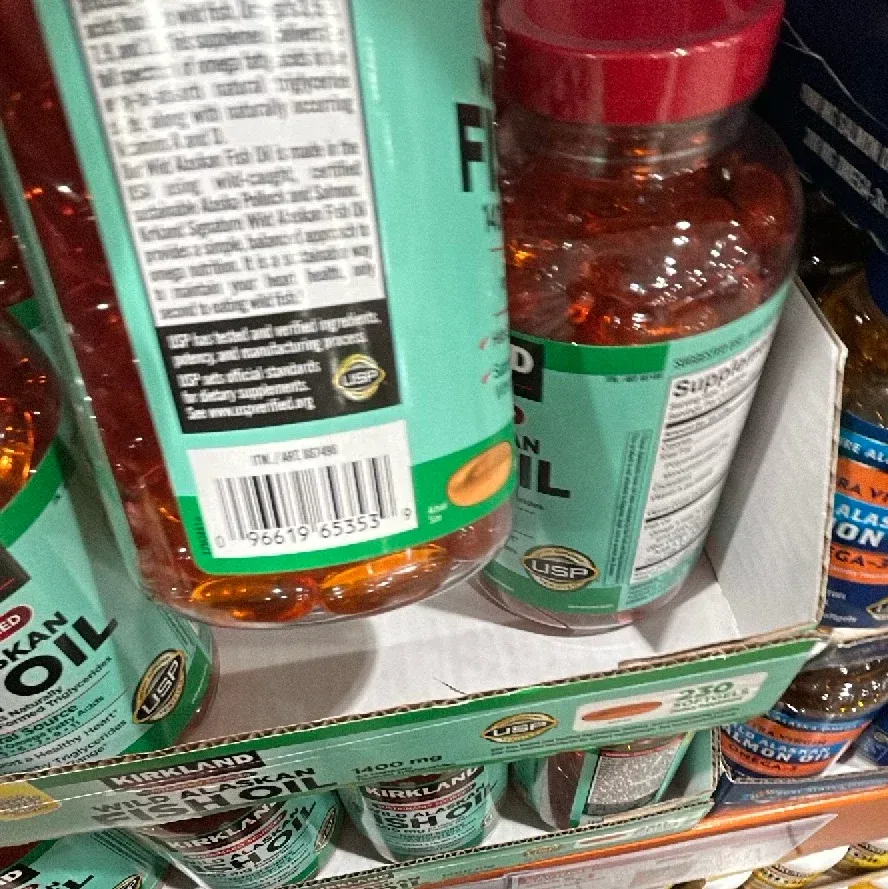
Kirkland Signature Wild Alaskan Fish Oil is a widely available, cost-effective omega-3 supplement derived from wild-caught Alaskan fish. As a dietary supplement, it delivers 1000 mg of total omega-3 fatty acids per softgel, primarily in the form of eicosapentaenoic acid (EPA) and docosahexaenoic acid (DHA), which are essential polyunsaturated fatty acids with extensive research supporting their roles in cardiovascular, neurological, and inflammatory health. These omega-3s are not synthesized efficiently by the human body and must be obtained through diet or supplementation.
The clinical benefits of omega-3 fatty acids are dose-dependent and influenced by formulation, baseline nutritional status, and individual health conditions. While general population studies have shown mixed results, high-dose, purified EPA (e.g., icosapent ethyl) has demonstrated significant cardiovascular risk reduction in high-risk patients on statins with elevated triglycerides [1]. For this product, the total omega-3 content is relevant but limited by the lack of individual EPA and DHA quantification, which is critical for evaluating its potential therapeutic impact, especially in conditions like depression or heart failure where EPA-dominant or high-dose regimens are preferred.
Quick Summary
Moderate transparency: total omega-3 content is disclosed, but individual EPA and DHA amounts are not specified, limiting precision in clinical evaluation. No proprietary blend is used, which supports openness.
Moderate to good efficacy for general health support, as 1000 mg/day meets general population recommendations. However, it may not reach therapeutic thresholds for conditions like hypertriglyceridemia or depression without higher or more targeted dosing. Lack of EPA/DHA specificity limits precision in clinical application.
Bioavailability is moderate; fish oil in ethyl ester form requires co-ingestion with meals for optimal absorption. The product likely contains vitamin E to stabilize the oil, but absence of re-esterified triglyceride (rTG) or phospholipid forms limits absorption efficiency compared to premium formulations.
Generally safe at recommended doses. Omega-3s are well-tolerated, with low risk of serious adverse events. Potential bleeding risk at high doses or with anticoagulants is documented, and oxidation risk is mitigated by antioxidants like vitamin E.
Suggested: 4 servings/day to reach clinical midpoint
Why Take This Product
Key Benefits
- Cardiovascular Support: Omega-3 fatty acids reduce triglycerides, improve endothelial function, and exert antiarrhythmic and antithrombotic effects. Doses of ≥1 g/day have been associated with improved left ventricular ejection fraction in heart failure patients over 12 months [4], and high-dose purified EPA reduces major adverse cardiovascular events in high-risk patients [1].
- Anti-Inflammatory Effects: EPA and DHA modulate the production of inflammatory eicosanoids and resolvins, reducing chronic inflammation linked to conditions like arthritis, metabolic syndrome, and atherosclerosis [2]. These effects are particularly valuable in individuals with elevated inflammatory markers.
- Cognitive and Mental Health: DHA is a structural component of brain tissue, and EPA has been shown to exert antidepressant effects by modulating neuroinflammation and neuroplasticity [6]. Supplementation with EPA-dominant formulations (1–2 g/day) may benefit individuals with mild to moderate depression.
- Antioxidant Activity in Vascular Tissues: Despite their susceptibility to oxidation, omega-3s may paradoxically reduce oxidative stress in vascular cells by enhancing antioxidant defenses and reducing reactive oxygen species [5], contributing to improved vascular health.
Who Should Take This
Potential Side Effects
Ingredient Breakdown
The primary active components in this supplement are omega-3 fatty acids, specifically EPA and DHA, derived from wild Alaskan fish. These are essential fats with well-established roles in reducing inflammation and supporting heart and brain health. The product may also contain supporting ingredients such as vitamin E (as an antioxidant stabilizer), though these are not the focus of therapeutic benefit.
Primary Ingredients
Omega Fatty Acids
Cardiovascular, cognitive, and anti-inflammatory support
Dose meets general adult recommendations (250–500 mg/day) but falls short of therapeutic levels for hypertriglyceridemia (2–4 g/day). Without EPA/DHA breakdown, efficacy for depression or heart failure cannot be fully assessed. Formulation likely ethyl ester; bioavailability improves with food.
Omega-3 polyunsaturated fatty acids, primarily EPA and DHA, are essential fats with anti-inflammatory, antiarrhythmic, and triglyceride-lowering effects. They support heart, brain, and vascular health and are critical when dietary intake is insufficient.
Practical Recommendations
- Verify EPA And DHA Content: Check the label or contact the manufacturer to confirm individual EPA and DHA amounts. For depression or heart failure, aim for at least 1 g/day of combined EPA+DHA, with EPA-dominant ratios (2:1 or higher) preferred for mood support.
- Take With Meals: To enhance absorption, especially if in ethyl ester form, take the supplement with a meal containing dietary fat.
- Ensure Freshness And Storage: Store in a cool, dark place and check expiration dates. Oxidized fish oil loses potency and may increase inflammation. Look for products with added vitamin E or other antioxidants to improve stability.
- Consider Higher-Dose Or Purified Forms For Clinical Use: For patients with elevated triglycerides or high cardiovascular risk, consider prescription icosapent ethyl (4 g/day), which has proven cardiovascular benefit [1], or re-esterified triglyceride (rTG) forms for better bioavailability.
Is it Safe?
Omega-3 supplements are generally safe at recommended doses, but high intakes require monitoring, especially in individuals with bleeding disorders or those undergoing surgery. The presence of antioxidants like vitamin E helps prevent lipid oxidation, preserving efficacy and safety. Always consult a healthcare provider before starting supplementation if on anticoagulants or managing chronic conditions.
Safety & Considerations
- Bleeding Risk: Use caution with anticoagulants (e.g., warfarin) or antiplatelet drugs; monitor for bruising or bleeding, especially at doses >3 g/day.
- Surgery: Discontinue at least 1–2 weeks before elective surgery due to potential antiplatelet effects.
- Oxidation: Store in a cool, dark place; avoid rancid-smelling softgels as oxidized lipids may promote inflammation.
The Science
Efficacy depends on achieving clinically relevant doses of EPA and DHA, with higher doses (≥1 g/day) needed for heart failure and depression, and 2–4 g/day for hypertriglyceridemia. While this product provides 1000 mg of total omega-3s per serving, the absence of individual EPA and DHA breakdown limits the ability to assess whether it meets these thresholds, particularly for EPA-dominant effects.
High-dose icosapent ethyl (purified EPA) significantly reduces cardiovascular events in high-risk patients on statins with elevated triglycerides.
Omega-3 PUFAs have anti-inflammatory, antiarrhythmic, and immunomodulatory properties but face bioavailability and stability challenges.
Dose of DHA and baseline omega-3 status influence cardiovascular mortality trial outcomes.
Doses ≥1 g/day of omega-3 PUFAs improve left ventricular ejection fraction in heart failure patients over ≥12 months.
Omega-3 fatty acids may act as antioxidants in vascular tissues, reducing oxidative stress and inflammation.
See grades while you shop
Get instant supplement ratings directly on iHerb. Amazon & more coming soon.
Works on iHerb now, Amazon & more coming soon
Stay updated on supplement research
Get newsletters about the latest developments in supplements and evidence-based insights.
No spam. Unsubscribe anytime.
Want another product analyzed?
Scan any supplement label for a free analysis