Overview
Omega-3 polyunsaturated fatty acids (ω-3 PUFAs), particularly eicosapentaenoic acid (EPA) and docosahexaenoic acid (DHA), are essential fatty acids with well-documented anti-inflammatory, antiarrhythmic, antithrombotic, and immunomodulatory properties [1]. They play critical roles in cardiovascular health, mental health, and modulation of oxidative stress, with evidence suggesting benefits in heart failure, depression, and high-risk cardiovascular populations when used appropriately [2][8][5]. While general omega-3 supplementation has not consistently improved cardiovascular outcomes in the general population, high-dose, purified EPA (icosapent ethyl) significantly reduces cardiovascular events in high-risk patients on statins with elevated triglycerides [2]. Dose and formulation appear critical: higher doses of EPA and adequate tissue status may be necessary to observe clinical benefits, particularly for cardiovascular mortality and heart failure [3][5]. Omega-3s may also exert antioxidant effects in vascular tissues, counteracting oxidative stress despite their susceptibility to oxidation [6].
Dosage Guide
Recommended Daily Allowance
For generally healthy individuals
Therapeutic Doses
For treatment of specific conditions
Upper Intake Limit
Maximum safe daily intake
5000 mg— FDA considers up to 5 g/day of EPA+DHA from supplements as generally safe
Special Forms
Alternative forms for specific needs
High-dose, purified EPA; approved for cardiovascular risk reduction in high-risk patients
Higher bioavailability compared to ethyl ester form
May enhance absorption and tissue delivery
Clinical Notes
- High-dose omega-3s may increase bleeding risk, especially when combined with anticoagulants; monitor in surgical settings
- Omega-3 ethyl esters should be taken with meals to improve absorption
- Oxidation of supplements can reduce efficacy and increase inflammatory byproducts; choose products with antioxidants (e.g., vitamin E) and check expiration dates
- Icosapent ethyl has shown cardiovascular benefit without increasing atrial fibrillation risk significantly in major trials
- Monitor liver function and lipids in patients on high-dose supplementation
Research
Omega-3 PUFAs have diverse therapeutic effects but face challenges in bioavailability and stability; nanotechnology may improve delivery.
High-dose icosapent ethyl (purified EPA) reduces cardiovascular events in high-risk patients on statins with elevated triglycerides.
Dose of DHA and baseline omega-3 status may influence efficacy in cardiovascular mortality trials.
Omega-3 supplementation may influence vitamin D levels, with effects dependent on dose, duration, and baseline vitamin D status.
Higher doses (≥1 g/day) of omega-3 PUFAs improve left ventricular ejection fraction in heart failure patients, with benefits increasing over ≥12 months.
Omega-3 fatty acids may act as antioxidants in vascular cells, reducing oxidative stress and inflammation.
Variability in trial outcomes may be due to differences in formulation, dosage, and background medical therapy.
Omega-3 fatty acids, especially EPA, show antidepressant effects via modulation of neuroinflammation and neuroplasticity, though trial results are inconsistent.
Products Containing Omega Fatty Acids(3 reports)

Kirkland Signature Wild Alaskan Fish Oil is a dietary supplement providing 1000 mg of omega-3 fatty acids per serving, primarily as EPA and DHA from fish oil. The formulation aligns with general cardiovascular and cognitive health recommendations, though it does not specify EPA and DHA amounts individually, limiting precision in assessing clinical efficacy.
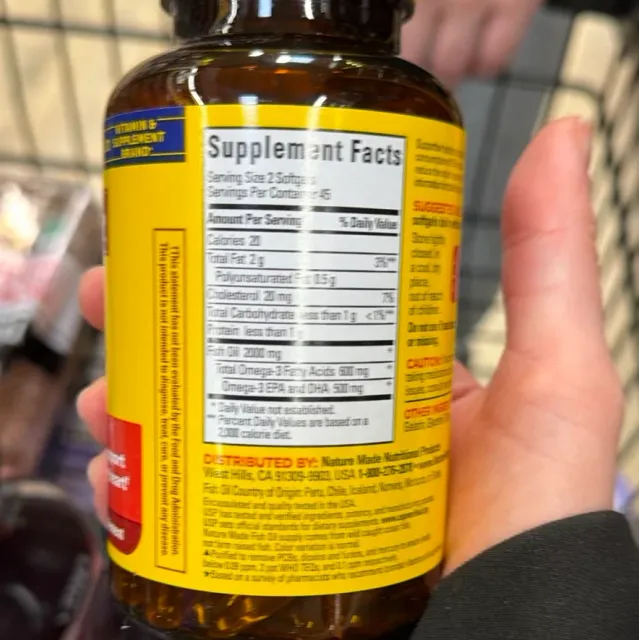
This Nature Made Fish Oil supplement provides 2000 mg of fish oil per serving, delivering 600 mg of total omega-3 fatty acids, including 500 mg of EPA and DHA. The formulation focuses on cardiovascular and metabolic support through essential long-chain omega-3s, though the dose falls below therapeutic levels for high-risk cardiovascular indications.
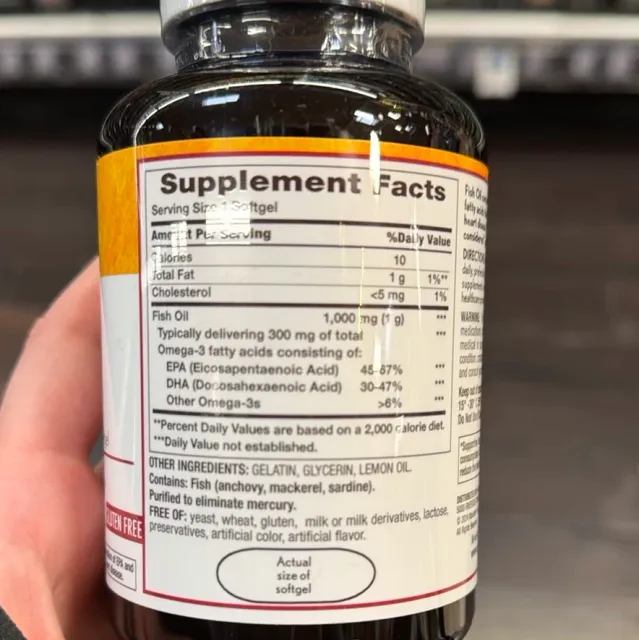
This over-the-counter fish oil supplement provides 300 mg of combined EPA and DHA per softgel, falling below the clinical dose range for cardiovascular or mental health benefits. While it delivers a modest amount of omega-3 fatty acids, higher-dose, prescription-grade formulations have demonstrated more consistent therapeutic effects in high-risk populations.