Overview
Vitamin B2 (riboflavin) is a water-soluble vitamin essential for energy metabolism, cellular function, and antioxidant defense through its role in flavin adenine dinucleotide (FAD) and flavin mononucleotide (FMN) coenzyme formation. It supports redox reactions and helps maintain glutathione in its reduced form, contributing to oxidative stress reduction. Evidence suggests that adequate riboflavin intake may help prevent deficiencies commonly observed in chronic conditions such as type 2 diabetes and cardiovascular diseases. Supplementation has been shown to improve vitamin status and clinical outcomes in patients with hypertension, ischemic heart disease, and diabetes, likely due to increased antioxidant capacity and improved metabolic function [2][4][5]. However, high dietary intake of B2 has been associated with a modestly increased risk of bladder cancer in some observational studies, though causality remains unclear [1].
Dosage Guide
Recommended Daily Allowance
For generally healthy individuals
Therapeutic Doses
For treatment of specific conditions
Upper Intake Limit
Maximum safe daily intake
Not established mg— No tolerable upper intake level set due to low toxicity; high doses may cause benign yellow discoloration of urine (flavinuria)
Special Forms
Alternative forms for specific needs
Active form; used in supplements for improved bioavailability or in individuals with impaired conversion
Clinical Notes
- High-dose riboflavin (400 mg/day) is generally well-tolerated and used safely for migraine prevention.
- Riboflavin deficiency may coexist with other B-vitamin deficiencies, especially in malabsorptive conditions or alcohol use disorder.
- Supplementation may enhance antioxidant status in chronic metabolic diseases such as diabetes and cardiovascular disease.
- Yellow discoloration of urine (flavinuria) is a harmless side effect of high-dose supplementation.
Research
Moderate intake of dietary B2 was associated with increased bladder cancer risk in a pooled cohort analysis.
Four-week supplementation with B2 improved clinical symptoms and vitamin status in patients with hypertension and ischemic heart disease.
Research-based micronutrient supplements for psychiatric symptoms in children contained higher B2 doses than over-the-counter products.
Patients with type 2 diabetes showed decreased B2 status; supplementation prevented worsening of deficiency.
Patients with type 2 diabetes and nephropathy had insufficient dietary vitamin intake, including B2.
Products Containing B2(2 reports)

This multivitamin formulation delivers essential vitamins at moderate doses, with vitamin D3, vitamin A, and B-complex vitamins as primary contributors to nutritional support. The inclusion of clinically relevant forms such as D3 (cholecalciferol) and methylfolate-capable dosing suggests a focus on bioavailability and metabolic utility.
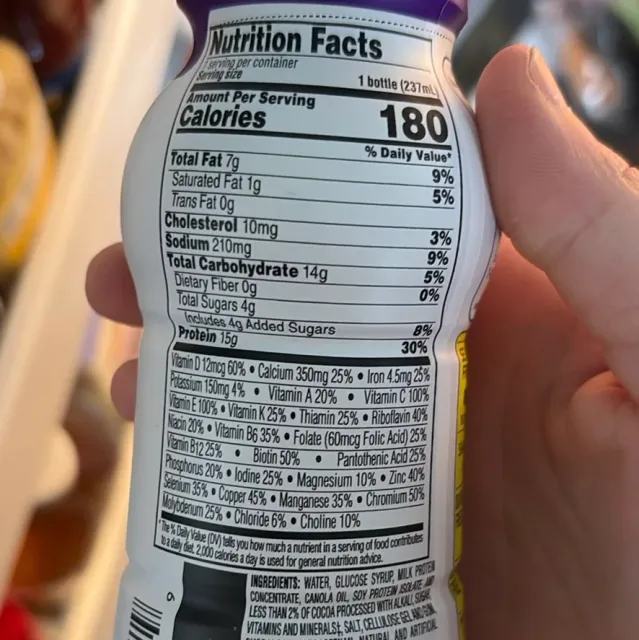
This multivitamin supplement from Nestlé provides clinically relevant doses of vitamin D and calcium as primary nutrients, supporting bone and immune health. Vitamin D (12 mcg) aligns with therapeutic dosing for insufficiency, while calcium (350 mg) contributes meaningfully to daily requirements. Other vitamins and minerals are included at supportive levels, enhancing overall micronutrient intake without targeting specific deficiencies.