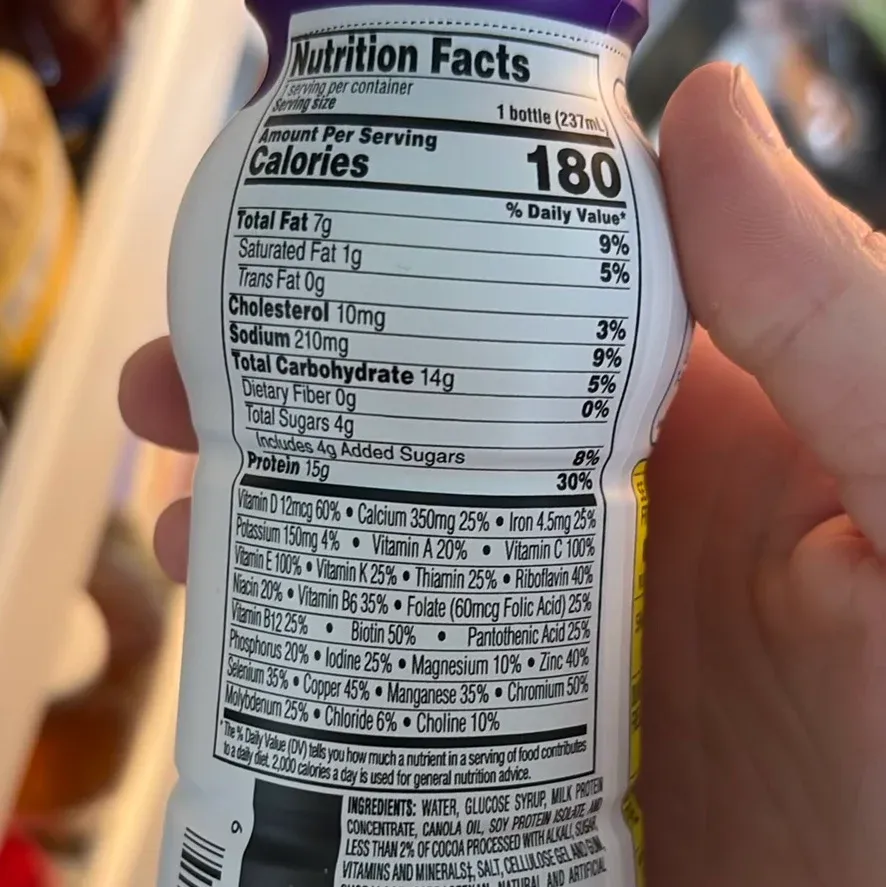
This comprehensive multivitamin formulation by Nestlé is designed to support overall health with a focus on bone integrity, immune function, and metabolic balance. The product delivers vitamin D at 12 mcg (480 IU), a dose shown in clinical trials to effectively raise serum 25-hydroxyvitamin D levels, particularly in individuals with baseline insufficiency. When combined with 350 mg of calcium, this formulation supports skeletal health, though it falls short of full therapeutic dosing for osteoporosis prevention.
Additional ingredients include iron (4.5 mg), vitamins A, C, E, K, and B-complex vitamins, all present at moderate to supportive levels. While not sufficient as standalone treatments for deficiencies, these nutrients contribute to antioxidant defense, collagen synthesis, energy metabolism, and red blood cell production. The inclusion of fat-soluble vitamins (A, D, E, K) suggests formulation for enhanced absorption with meals, aligning with best practices for lipid-dependent nutrient uptake.
Quick Summary
All ingredient amounts are clearly listed with no proprietary blends, allowing full evaluation of dosing. The only ambiguity is the exact form of vitamin D and E, though industry standards suggest D3 and alpha-tocopherol.
Primary ingredients—vitamin D and calcium—are present at meaningful levels, with vitamin D at 60% of clinical midpoint, supporting immune and bone health. Efficacy is driven by these two nutrients. Supporting ingredients are below clinical thresholds but contribute to overall micronutrient sufficiency without over-supplementation.
Fat-soluble vitamins are likely well-absorbed when taken with meals. Vitamin D is dosed effectively, but forms of calcium and iron are unspecified, potentially limiting absorption. B-vitamins are in standard forms, though benfotiamine or riboflavin 5'-phosphate would offer enhanced bioavailability.
All ingredients are within tolerable upper intake levels. Caution is advised for warfarin users (vitamin K), kidney disease patients (potassium), and those on anticoagulants (vitamin E). Iron is at a safe level for most adults.
Suggested: 2 servings/day to reach clinical midpoint
Why Take This Product
Key Benefits
- Supports Bone Health: Vitamin D (12 mcg) and calcium (350 mg) work synergistically to enhance calcium absorption and bone mineral density. Clinical evidence shows that vitamin D3 at doses ≥800 IU/day significantly improves 25(OH)D status and reduces fracture risk in deficient individuals [1]. Although calcium supplementation alone does not consistently reduce fractures [2], it remains essential for skeletal integrity when dietary intake is inadequate.
- Boosts Immune Function: Vitamin D and vitamin C are key immunomodulators. Vitamin D reduces the risk of acute respiratory infections, especially in deficient individuals [8], while vitamin C supports epithelial barrier function and leukocyte activity. Regular supplementation with 200–1000 mg/day of vitamin C modestly reduces the duration and severity of respiratory infections [3].
- Enhances Energy and Nervous System Function: B1 (thiamine) and B2 (riboflavin) support mitochondrial energy production and nerve conduction. Thiamine deficiency is linked to fatigue and neuropathy, and supplementation improves metabolic function, particularly in high-risk groups like diabetics or those with alcohol use disorder [17]. Riboflavin at higher doses (400 mg) is used therapeutically for migraine prevention, though this product provides a supportive 40% DV [11].
- Provides Antioxidant Protection: Vitamins C and E act as potent antioxidants, reducing oxidative stress and lipid peroxidation. Vitamin C at 100% DV (≥75 mg) enhances plasma antioxidant capacity [55], while vitamin E, though limited in cardiovascular benefit at high doses of alpha-tocopherol, still protects cell membranes. However, high-dose alpha-tocopherol may deplete gamma-tocopherol, potentially reducing anti-inflammatory effects [4].
- Supports Iron Balance and Oxygen Transport: The 4.5 mg of iron supports hemoglobin synthesis, particularly beneficial for men and postmenopausal women with marginal intake. While not therapeutic for iron deficiency anemia (which requires 100–200 mg/day), this dose helps maintain iron stores without increasing oxidative stress in non-deficient individuals [10].
Who Should Take This
Potential Side Effects
Ingredient Breakdown
Each ingredient has been evaluated based on clinical research, with primary nutrients assessed for therapeutic efficacy and supporting ingredients for contribution to overall nutritional balance.
Primary Ingredients
Vitamin D
Calcium homeostasis, bone health, immune modulation
Dose is 60% of clinical midpoint (1400 IU). Effective for maintenance but may require higher doses in deficiency. Form not specified, but likely D3 in fortified products.
Vitamin D3 (cholecalciferol) is the preferred form for raising and maintaining serum 25(OH)D levels. A dose of 12 mcg (480 IU) is within the range shown to improve vitamin D status over time, particularly in deficient individuals. Daily dosing of 800–2000 IU is effective for achieving levels ≥30 ng/mL [1].
Calcium
Bone mineralization, muscle function, nerve transmission
350 mg is 32% of clinical midpoint (1100 mg). Supports intake but insufficient alone for osteoporosis prevention. Form not specified.
Calcium is essential for bone health, but supplementation does not significantly reduce fracture risk in community-dwelling adults [2]. The 350 mg provided contributes to daily needs but falls short of full therapeutic dosing. Split dosing improves absorption, and co-administration with vitamin D enhances utilization.
Supporting Ingredients
There are 8 supporting ingredients.
Practical Recommendations
- Take With A Meal: Fat-soluble vitamins (A, D, E, K) are best absorbed when consumed with dietary fats. Taking this supplement with breakfast or dinner enhances bioavailability.
- Monitor Vitamin D Status: Individuals using this long-term, especially older adults or those with dark skin, obesity, or limited sun exposure, should consider periodic testing of serum 25(OH)D to ensure levels remain within optimal range (30–100 ng/mL).
- Avoid With Certain Medications: Do not combine with anticoagulants (e.g., warfarin) without medical supervision due to vitamin K content. Similarly, avoid high-dose calcium or potassium if taking ACE inhibitors, ARBs, or potassium-sparing diuretics.
Is it Safe?
Safety is determined by tolerable upper intake levels, drug-nutrient interactions, and population-specific risks. This product contains no ingredients above established upper limits, but caution is advised in specific medical conditions.
Safety & Considerations
- Drug Interaction: Vitamin K may reduce the effectiveness of warfarin; maintain consistent intake and monitor INR.
- Drug Interaction: High-dose vitamin E (>400 IU) may increase bleeding risk with antiplatelet drugs or anticoagulants.
- Medical Condition: Potassium supplements should be avoided in individuals with renal impairment or those taking ACE inhibitors, ARBs, or spironolactone due to hyperkalemia risk.
The Science
Efficacy is weighted toward primary ingredients—vitamin D and calcium—based on their dose relative to clinical guidelines. Supporting ingredients are evaluated for additive benefit rather than standalone effect.
In elderly adults, 2,000 IU/day of vitamin D3 was more effective than 400 IU/day in achieving 25(OH)D levels ≥30 ng/mL over 6 months.
No significant reduction in fracture risk with calcium and vitamin D supplementation in older adults.
Regular vitamin C supplementation shows a modest, non-significant reduction in respiratory tract infection incidence (RR 0.94), but greater benefits in physically stressed or deficient populations.
Alpha-tocopherol supplementation lowers gamma-tocopherol levels; gamma-tocopherol has potent anti-inflammatory activity and is inversely linked to cardiovascular disease.
Supplementing with 80 mcg/day of vitamin K1 improved markers of bone formation and reduced undercarboxylated osteocalcin in premenopausal women.
See grades while you shop
Get instant supplement ratings directly on iHerb. Amazon & more coming soon.
Works on iHerb now, Amazon & more coming soon
Stay updated on supplement research
Get newsletters about the latest developments in supplements and evidence-based insights.
No spam. Unsubscribe anytime.
Want another product analyzed?
Scan any supplement label for a free analysis