Overview
Calcium is an essential mineral critical for bone health, muscle function, nerve transmission, and vascular contraction. While calcium supplementation effectively increases bone mineral density (BMD), high-quality evidence shows it does not significantly reduce fracture risk in community-dwelling adults, particularly when combined with vitamin D [1]. Some studies suggest modest blood pressure-lowering effects in normotensive individuals, supporting a potential role in primary hypertension prevention [4][5]. Calcium supplementation may also improve lipid profiles, with meta-analyses indicating a small but significant reduction in LDL cholesterol [3]. However, concerns about cardiovascular safety have emerged: multiple meta-analyses report an increased risk of myocardial infarction and cardiovascular events with calcium supplements, especially without co-administered vitamin D, raising questions about risk-benefit balance [2][6]. Dietary calcium appears safer and similarly effective for bone health, suggesting supplements should be used judiciously.
Dosage Guide
Recommended Daily Allowance
For generally healthy individuals
Therapeutic Doses
For treatment of specific conditions
Upper Intake Limit
Maximum safe daily intake
2500 mg— For adults 19-50 years; 2000 mg/day for those >50 years
Special Forms
Alternative forms for specific needs
Better absorbed in low stomach acid, suitable for elderly or on proton-pump inhibitors
Higher elemental calcium content, requires acidic environment for optimal absorption
Clinical Notes
- Avoid high-dose calcium supplements without medical supervision due to increased cardiovascular risk [2][6]
- Prefer dietary calcium over supplements when possible, as food sources are not linked to cardiovascular harm
- Split doses >500 mg to enhance absorption and reduce gastrointestinal side effects
- Monitor serum calcium and renal function in patients with kidney disease or hyperparathyroidism
- Ensure adequate vitamin D status to optimize calcium absorption and utilization
Research
No significant reduction in fracture risk with calcium and vitamin D supplementation in older adults.
Calcium supplements (>500 mg/day) associated with increased risk of myocardial infarction and cardiovascular events.
Calcium supplementation significantly reduces LDL cholesterol levels in randomized controlled trials.
Calcium supplementation may lower blood pressure in normotensive individuals, suggesting a preventive role for hypertension.
Increased calcium intake, from diet or supplements, leads to small, short-term increases in bone mineral density.
Calcium supplements may increase cardiovascular risk, and this risk is not fully mitigated by vitamin D co-administration.
Oral calcium supplementation has modest blood pressure-lowering effects in adults with primary hypertension.
Vitamin D supplementation increases serum 25-hydroxyvitamin D levels, relevant for calcium absorption and bone metabolism.
Products Containing Calcium(10 reports)

This Nutricost supplement provides 500mg of pantothenic acid (vitamin B5) and 40mg of calcium per serving. Vitamin B5 plays a key role in energy metabolism and coenzyme A synthesis, while the added calcium supports bone health. The B5 dose exceeds typical dietary intake and aligns with higher-end clinical usage, though evidence for specific health outcomes remains limited.

This supplement delivers a high-dose 500 mg of pantothenic acid (vitamin B5), a water-soluble vitamin essential for energy metabolism and coenzyme A synthesis. The dose far exceeds the RDA but aligns with therapeutic explorations for skin health, particularly acne management, though clinical evidence remains limited. Calcium (45 mg) is included in a supporting role, contributing minimally to daily needs.

親子deカルシウム is a calcium-focused dietary supplement designed to support bone health in both children and adults. The product delivers 133 mg of calcium per serving, paired with 1.0 µg (40 IU) of vitamin D and 33 billion CFU of lactic acid bacteria, with a minor addition of 2 mg polyglutamic acid. While calcium and vitamin D are essential for skeletal development and maintenance, the doses provided are significantly below clinically effective levels for therapeutic benefit.

BioActive Complete B-Complex is a high-potency B-vitamin supplement designed to support energy metabolism, neurological function, and homocysteine regulation. The formulation features all eight B vitamins at doses that meet or exceed clinically studied levels for key indications, with particular emphasis on B1, B2, B3, B6, B9, and B12 for metabolic and neurological support.
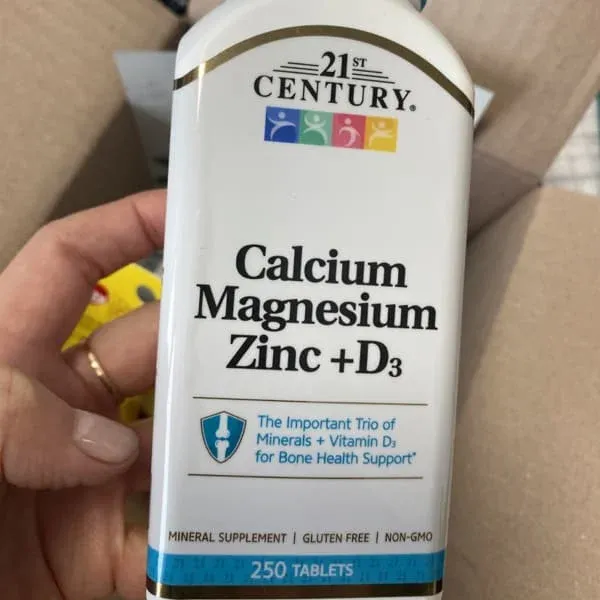
This supplement combines calcium, magnesium, zinc, and vitamin D3—nutrients essential for bone health, metabolic function, and immune support. The formulation delivers clinically relevant doses of vitamin D3 and magnesium, while calcium is provided at the daily recommended level, though evidence for fracture prevention is limited.

This supplement provides 500 mg of vitamin B5 (calcium pantothenate) per serving, a dose significantly higher than the RDA, aimed at supporting energy metabolism, neurological function, and antioxidant defenses. Calcium is included in a minor supporting role. The formulation aligns with evidence for high-dose B5 in metabolic and nerve health, though pantethine may offer superior therapeutic activity.

This supplement combines vitamin D3 (125 mcg) and vitamin K2 (50 mcg) to support bone and cardiovascular health through synergistic action. Vitamin D3 enhances calcium absorption, while K2 directs calcium to bones and away from arteries via activation of osteocalcin and matrix Gla protein. The dose of D3 is significantly higher than typical daily recommendations, indicating a therapeutic intent for deficiency correction or maintenance in high-risk individuals.

This supplement combines calcium and magnesium as primary minerals to support bone and cardiovascular health, with zinc as a supporting nutrient for immune function. The calcium and magnesium doses are within clinically studied ranges, though calcium intake should be considered in the context of total dietary and supplemental sources due to potential cardiovascular risks.

This multivitamin supplement from Nestlé provides clinically relevant doses of vitamin D and calcium as primary nutrients, supporting bone and immune health. Vitamin D (12 mcg) aligns with therapeutic dosing for insufficiency, while calcium (350 mg) contributes meaningfully to daily requirements. Other vitamins and minerals are included at supportive levels, enhancing overall micronutrient intake without targeting specific deficiencies.

This supplement combines calcium, magnesium, and zinc—three essential minerals critical for bone health, cardiovascular function, and metabolic regulation. The formulation includes vitamin D3 to support calcium absorption, with primary emphasis on bone and mineral metabolism through clinically relevant doses of calcium and magnesium.