Overview
Vitamin D is a fat-soluble nutrient essential for calcium homeostasis, bone health, and immune function. It is synthesized in the skin upon exposure to sunlight and can also be obtained through diet or supplementation. Research indicates that vitamin D status is associated with thresholds below which disease risk increases, particularly for acute respiratory infections and bone disorders [1][7]. Supplementation effectively raises serum 25-hydroxyvitamin D [25(OH)D] levels, with evidence supporting both daily and intermittent dosing regimens. Achieving a 25(OH)D concentration of at least 30 ng/mL is linked to reduced disease risk, especially in deficient individuals [2][5]. Vitamin D3 (cholecalciferol) appears more effective than D2 (ergocalciferol) in raising and maintaining serum levels [3]. Long-term high-dose supplementation is generally safe and may support immune health, including during viral pandemics such as COVID-19 [7][5].
Dosage Guide
Recommended Daily Allowance
For generally healthy individuals
Therapeutic Doses
For treatment of specific conditions
Upper Intake Limit
Maximum safe daily intake
4000 IU— Tolerable upper intake level for adults and children ≥9 years; higher doses require medical supervision
Special Forms
Alternative forms for specific needs
Preferred form due to superior efficacy in raising and maintaining 25(OH)D levels
Less potent and shorter duration; used in some prescriptions and plant-based supplements
Clinical Notes
- Monitor serum 25(OH)D levels when using high-dose or long-term supplementation to avoid toxicity.
- Vitamin D deficiency is common in elderly, dark-skinned, obese, and low-sun-exposure populations.
- High-dose regimens (e.g., 50,000 IU weekly) should be used short-term under medical supervision.
- Daily or weekly dosing is effective; monthly dosing achieves similar long-term results but with slower initial rise.
- Ensure adequate calcium and magnesium intake when supplementing vitamin D to support bone health.
Research
Evidence supports thresholds in vitamin D status below which disease risk increases; supplementation benefits are most evident in deficient individuals.
In elderly adults, 2,000 IU/day of vitamin D3 was more effective than 400 IU/day in achieving 25(OH)D levels ≥30 ng/mL over 6 months.
Vitamin D2 supplementation significantly increases serum vitamin D levels, though D3 is more potent and longer-lasting.
Loading doses of vitamin D3 (up to 200,000 IU) followed by maintenance dosing safely and effectively correct deficiency within 12 weeks.
High-dose vitamin D3 (200,000 IU loading, then 100,000 IU monthly) safely increased 25(OH)D from 73 to 124 nmol/L over 18 months with no significant effect on blood pressure.
Daily 20 μg (800 IU) vitamin D3 significantly increased 25(OH)D3 levels over 12 weeks compared to placebo.
Vitamin D supplementation reduces risk of acute respiratory infections; daily moderate doses are safe and may help reduce COVID-19 risk.
Monthly 50,000 IU and daily 2,000 IU vitamin D3 resulted in similar increases in 25(OH)D over 75 days, suggesting equivalent cumulative dosing is effective regardless of frequency.
Products Containing Vitamin D(8 reports)
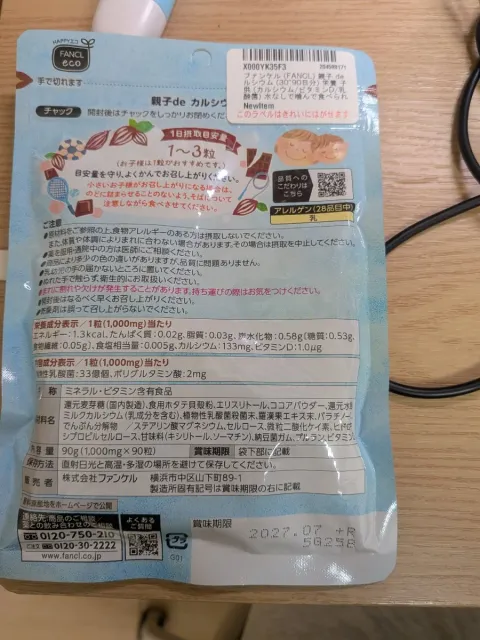
親子deカルシウム is a calcium-focused dietary supplement designed to support bone health in both children and adults. The product delivers 133 mg of calcium per serving, paired with 1.0 µg (40 IU) of vitamin D and 33 billion CFU of lactic acid bacteria, with a minor addition of 2 mg polyglutamic acid. While calcium and vitamin D are essential for skeletal development and maintenance, the doses provided are significantly below clinically effective levels for therapeutic benefit.
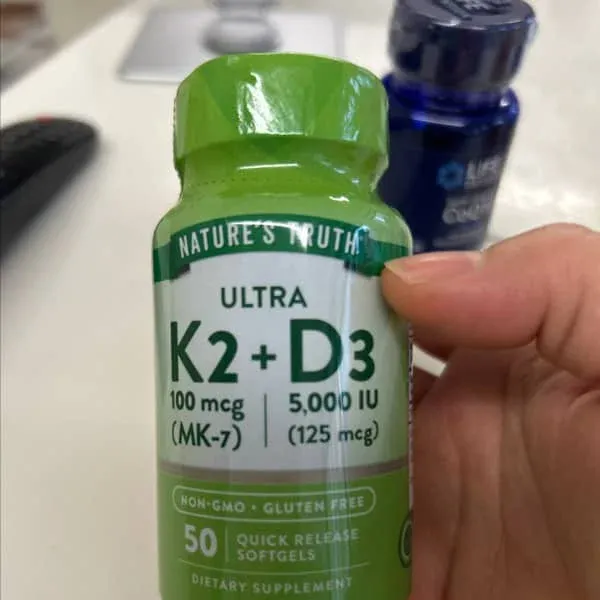
Ultra K2 MK-7 Plus D3 is a dietary supplement combining high-dose vitamin D3 (5,000 IU) and vitamin K2 (100 mcg as MK-7) to support bone and cardiovascular health. The formulation leverages the synergistic relationship between these fat-soluble vitamins, with vitamin D3 enhancing calcium absorption and K2 directing calcium to bone while preventing vascular calcification.
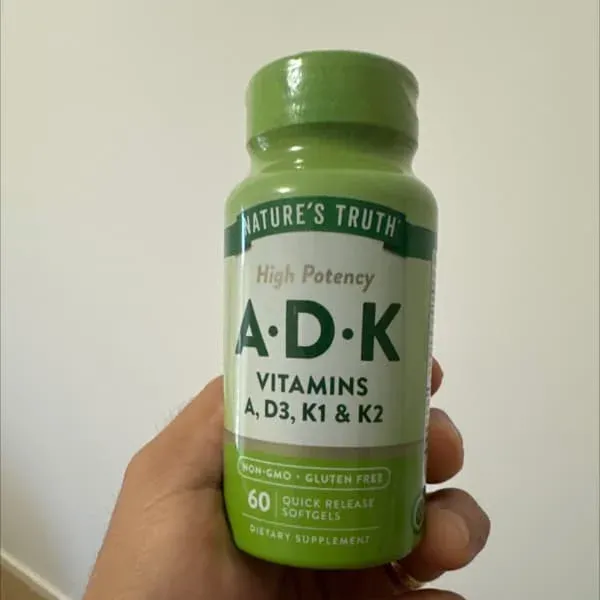
This high-potency supplement combines vitamins A, D, and K—fat-soluble nutrients critical for immune function, bone health, and vascular integrity. Vitamin D is provided at a clinically relevant dose of 5,000 IU, which aligns with therapeutic regimens for correcting deficiency and supporting immune health. While vitamins A and K are included in meaningful amounts, their doses may exceed dietary needs and require caution in certain populations.
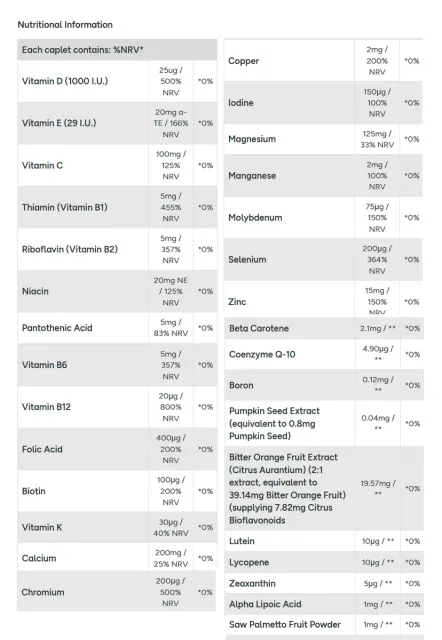
This supplement delivers high-dose vitamin D (25µg/1000 IU) as a primary ingredient, supported by a full B-complex, vitamins C and E. The formulation is designed to support immune function, metabolic health, and antioxidant defense, with clinically relevant dosing of key micronutrients.

This supplement combines calcium and magnesium as primary minerals to support bone and cardiovascular health, with zinc as a supporting nutrient for immune function. The calcium and magnesium doses are within clinically studied ranges, though calcium intake should be considered in the context of total dietary and supplemental sources due to potential cardiovascular risks.

HYDROXYCUT HARDCORE LIQUID HEAT is a thermogenic weight management supplement with caffeine and cayenne pepper extract as its primary active ingredients. These compounds are clinically shown to enhance metabolic rate, reduce energy intake, and support fat oxidation. The formulation includes supporting doses of B-vitamins and green coffee bean extract to complement energy metabolism and cardiovascular health.
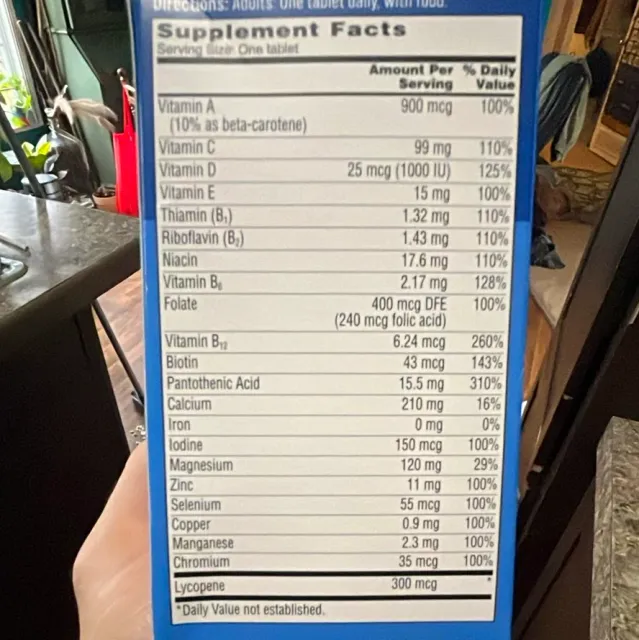
This multivitamin provides a comprehensive blend of essential vitamins at doses aligned with recommended dietary allowances and evidence-based clinical ranges. Vitamin D, B12, and folate are included at levels shown to support immune, neurological, and cardiovascular health, particularly in at-risk populations.
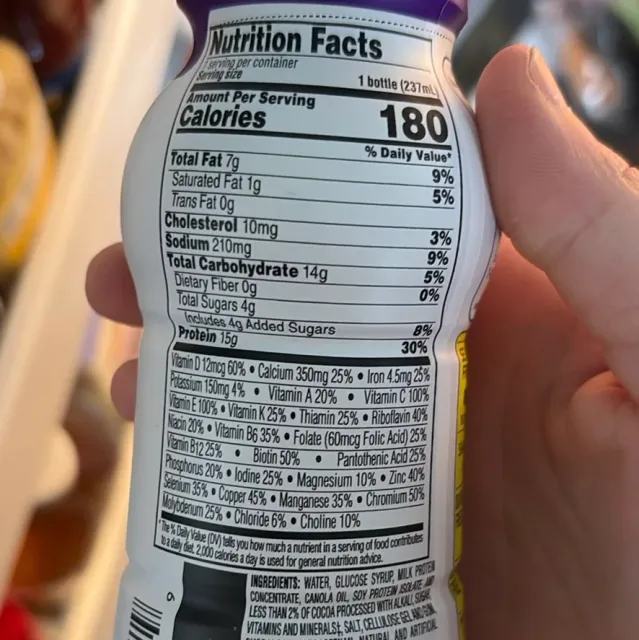
This multivitamin supplement from Nestlé provides clinically relevant doses of vitamin D and calcium as primary nutrients, supporting bone and immune health. Vitamin D (12 mcg) aligns with therapeutic dosing for insufficiency, while calcium (350 mg) contributes meaningfully to daily requirements. Other vitamins and minerals are included at supportive levels, enhancing overall micronutrient intake without targeting specific deficiencies.