Overview
Dandelion (Taraxacum officinale) is a medicinal herb with a range of bioactive compounds, including polysaccharides, flavonoids (e.g., luteolin, hesperetin derivatives), sesquiterpenoids, and phenolic compounds, which contribute to its antioxidant, anti-inflammatory, hepatoprotective, and immunomodulatory properties [7][4]. Research indicates that dandelion extract, particularly from leaves and flowers, can improve metabolic health by reducing serum triglycerides, total cholesterol, and LDL-cholesterol while increasing HDL-cholesterol in animal models of atherosclerosis and nonalcoholic fatty liver disease [1][3]. It also demonstrates potent anti-inflammatory effects by suppressing iNOS and COX-2 expression, thereby reducing nitric oxide and prostaglandin E2 production in macrophages [2]. Additionally, dandelion leaf extract enhances immunological responses, increasing cytokine production (IFNγ, TNFα, IL4, IL10) and regulatory T-cell markers (CD4+, CD25+) in infected mice, suggesting immune-stimulating potential [5]. These effects are mediated through modulation of oxidative stress pathways, lipid metabolism, and inflammatory signaling, supporting its traditional use in liver and metabolic disorders.
Dosage Guide
Therapeutic Doses
For treatment of specific conditions
Special Forms
Alternative forms for specific needs
For immunomodulation and diuretic effects
For liver detoxification and bile stimulation
For immune and antioxidant support
Clinical Notes
- Generally recognized as safe (GRAS), but may cause allergic reactions in individuals sensitive to Asteraceae plants.
- Potential diuretic effect; monitor electrolytes if used with prescription diuretics or lithium.
- May enhance hypoglycemic effects; monitor blood glucose when used with diabetes medications.
- Limited human trials; most evidence is preclinical (animal and in vitro studies).
- Avoid in cases of bile duct obstruction due to choleretic effects.
Research
Dandelion polysaccharides reduced serum triglycerides, total cholesterol, and LDL-cholesterol while increasing HDL-cholesterol in atherosclerotic mice.
Luteolin and luteolin-7-O-glucoside from dandelion flower suppressed nitric oxide and PGE2 production via inhibition of iNOS and COX-2 in macrophages.
Dandelion leaf extract reduced hepatic lipid accumulation, body weight, liver weight, and improved serum lipid and glucose profiles in high-fat-diet-fed mice.
Review highlighting dandelion's antitumoral, anti-inflammatory, antidiabetic, hepatoprotective, and immunomodulatory activities due to diverse bioactive compounds.
Dandelion leaf aqueous extract enhanced immunological response in Schistosoma-infected mice, increasing cytokines and CD4+/CD25+ cells more effectively than praziquantel alone.
New flavonoids isolated from dandelion, including a novel hesperetin derivative, showing strong antioxidant activity.
Comprehensive review identifying sesquiterpenoids, flavonoids, and polysaccharides as key bioactive constituents with multiple pharmacological effects.
Dandelion water extract lowered blood glucose and modulated hepatic antioxidant enzymes in diabetic rats.
Products Containing Dandelion Extract(3 reports)
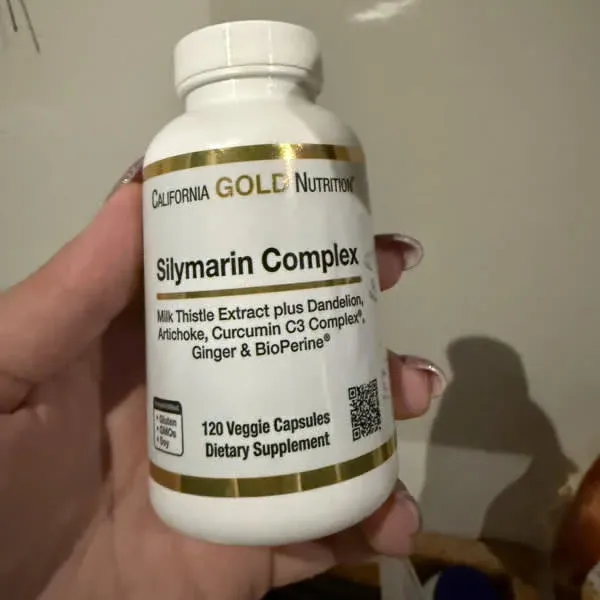
This liver-supportive dietary supplement centers on milk thistle extract (silymarin), a well-researched hepatoprotective agent with antioxidant, anti-inflammatory, and antifibrotic properties. The formulation includes complementary botanicals such as dandelion, artichoke, curcumin, ginger, and BioPerine® to enhance bioavailability and broaden metabolic and anti-inflammatory support. While the primary ingredient is dosed below high-end therapeutic levels, it falls within the clinical range for general liver support when taken as directed.
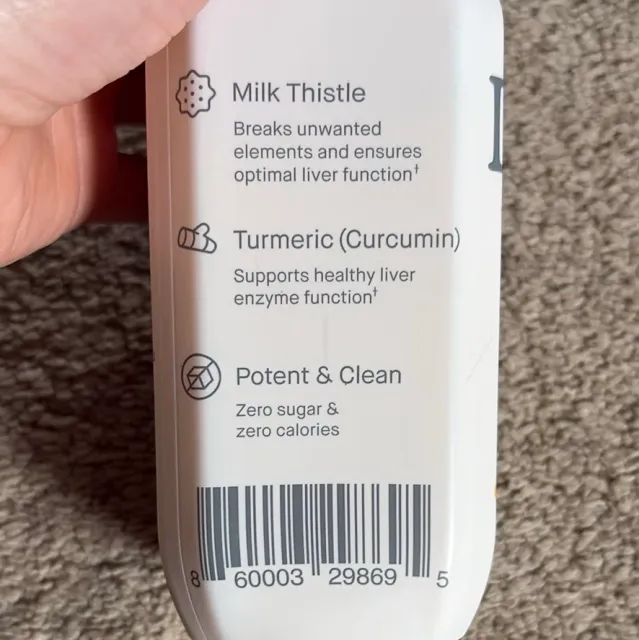
The product is marketed as a liver support supplement, but its primary ingredients are sodium and potassium, which are not clinically relevant for hepatic function at the provided doses. Key hepatoprotective botanicals such as milk thistle, dandelion, and turmeric are listed as 'undetected,' indicating absence or negligible presence.

PROJECT SHRED is a dietary supplement formulated with high-dose cruciferous phytonutrients DIM and Indole-3-Carbinol (I3C), both clinically studied for their role in estrogen metabolism and hormonal balance. These primary ingredients are supported by liver- and metabolic-supporting botanicals such as dandelion root, white button mushroom, and uva ursi, targeting detoxification and metabolic health. The formulation emphasizes hormonal optimization and antioxidant support, particularly relevant for individuals managing estrogenic activity or seeking metabolic enhancement.