Overview
Ginger powder, derived from the rhizome of Zingiber officinale, is widely used for its anti-inflammatory, antioxidant, and antiemetic properties. Clinical evidence supports its use in reducing nausea and vomiting, particularly in the context of chemotherapy-induced nausea (CINV) and migraine-related symptoms. A meta-analysis found ginger significantly reduced the risk of migraine-related nausea and vomiting (RR, 0.48; 95% CI, 0.30–0.77) and showed potential for achieving pain freedom within 2 hours of migraine onset (RR, 1.79; 95% CI, 1.04–3.09) [6]. In patients with type 2 diabetes, 3 grams of ginger powder daily for 8 weeks significantly improved fasting blood sugar, HbA1c, insulin sensitivity, and HOMA-IR [2]. Ginger also demonstrated anti-inflammatory effects in osteoarthritis, significantly reducing serum TNF-α and IL-1β levels after 3 months of 500 mg daily supplementation [7]. The bioactive compounds, primarily gingerols and shogaols, vary in concentration depending on processing methods, with dried ginger containing higher levels of shogaols due to thermal conversion [3][4].
Dosage Guide
Therapeutic Doses
For treatment of specific conditions
Upper Intake Limit
Maximum safe daily intake
4000 mg— General safety limit based on animal and human studies; doses up to 4 g/day well tolerated short-term
Special Forms
Alternative forms for specific needs
For consistent dosing in research and clinical use
Common supplemental form; higher shogaol content may enhance anti-inflammatory effects
Clinical Notes
- Ginger may have mild anticoagulant effects; use caution with blood thinners like warfarin or aspirin.
- High doses may cause gastrointestinal upset (heartburn, diarrhea) in sensitive individuals.
- Limited data on safety in pregnancy beyond nausea use; doses up to 1 g/day commonly used for morning sickness.
- Standardization of ginger products is critical due to variability in gingerol and shogaol content based on processing [4].
- Monitor blood glucose closely in diabetic patients using high-dose ginger due to potential additive effects with medications.
Research
Suggests potential benefit of ginger in chemotherapy-induced nausea and vomiting, but notes limitations in study design and lack of robust evidence.
3 grams/day of ginger powder for 8 weeks significantly improved glycemic control and insulin sensitivity in patients with type 2 diabetes.
Reviews dermatologic applications of ginger, highlighting anti-inflammatory, antioxidative, and antimicrobial properties with potential clinical use in skin conditions.
Highlights that the type and processing of ginger affect bioactive compound levels, with gingerols in fresh ginger converting to shogaols in dried/heat-processed forms.
In diabetic rats, dietary ginger powder at 1% and 5% levels reduced oxidative stress and DNA damage in a dose-dependent manner.
Ginger was associated with higher rates of pain freedom at 2 hours and reduced nausea in migraine attacks compared to placebo.
500 mg/day of ginger powder for 3 months significantly reduced serum TNF-α and IL-1β in older adults with knee osteoarthritis.
Reviews patented processing methods and health claims related to ginger, emphasizing the importance of standardization for pharmaceutical applications.
Products Containing Ginger Powder(2 reports)
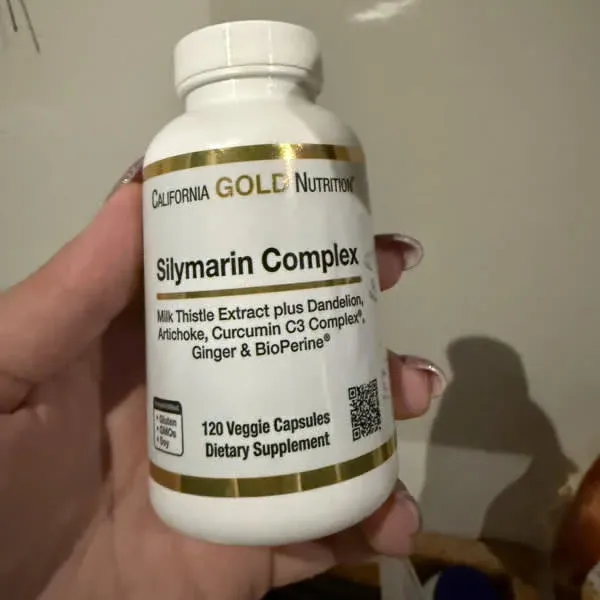
This liver-supportive dietary supplement centers on milk thistle extract (silymarin), a well-researched hepatoprotective agent with antioxidant, anti-inflammatory, and antifibrotic properties. The formulation includes complementary botanicals such as dandelion, artichoke, curcumin, ginger, and BioPerine® to enhance bioavailability and broaden metabolic and anti-inflammatory support. While the primary ingredient is dosed below high-end therapeutic levels, it falls within the clinical range for general liver support when taken as directed.
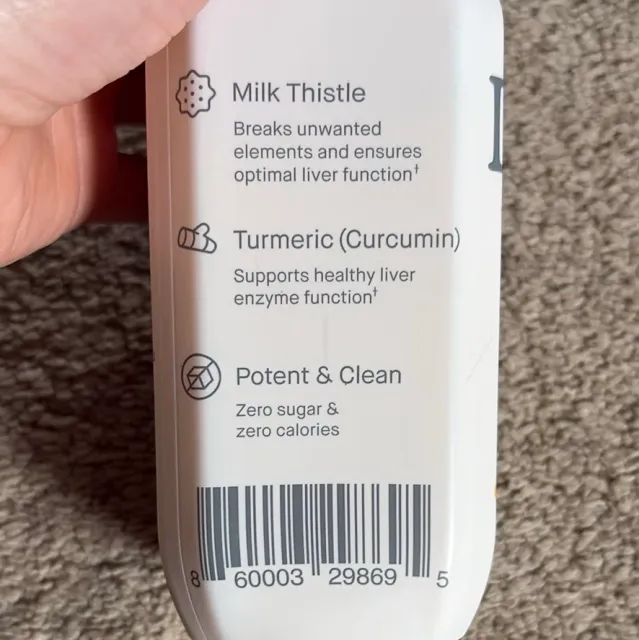
The product is marketed as a liver support supplement, but its primary ingredients are sodium and potassium, which are not clinically relevant for hepatic function at the provided doses. Key hepatoprotective botanicals such as milk thistle, dandelion, and turmeric are listed as 'undetected,' indicating absence or negligible presence.