Overview
Iron is an essential mineral critical for hemoglobin synthesis, oxygen transport, and cellular metabolism. Iron deficiency (ID) is the most common nutritional deficiency worldwide, affecting over 1.2 billion people, particularly women of reproductive age, pregnant individuals, children, and those with chronic diseases such as heart failure or cancer [3]. ID can progress to iron deficiency anemia (IDA), characterized by low hemoglobin, microcytic red blood cells, and fatigue. Treatment involves oral or intravenous (IV) supplementation depending on severity, absorption issues, or underlying conditions. IV iron is effective in patients with malabsorption, inflammatory conditions, or functional iron deficiency, such as in heart failure or cancer, where oral iron may be ineffective [1][2][5]. Oral iron is commonly used but can be limited by gastrointestinal side effects and hepcidin-mediated inhibition of absorption, especially with daily dosing [8]. Vitamin C co-supplementation does not significantly enhance iron absorption or efficacy in adults with IDA [4], and intermittent dosing (1–2 times/week) appears as effective as daily dosing in children [7]. Low-dose iron (20 mg/day) during pregnancy effectively prevents IDA with fewer side effects than higher doses [6].
Dosage Guide
Recommended Daily Allowance
For generally healthy individuals
Therapeutic Doses
For treatment of specific conditions
Upper Intake Limit
Maximum safe daily intake
45 mg— Tolerable Upper Intake Level for adults; higher doses may cause toxicity, especially in non-deficient individuals
Special Forms
Alternative forms for specific needs
For malabsorption, severe deficiency, inflammatory conditions, or intolerance to oral iron
Better absorbed and better tolerated than non-heme iron; derived from animal sources
Clinical Notes
- Monitor serum ferritin and hemoglobin during treatment; continue iron for 3–6 months after normalization to replenish stores.
- Oral iron can cause constipation, nausea, and dark stools; taking every other day may improve absorption and tolerance [8].
- Avoid concurrent intake with calcium, antacids, or tea/coffee, which inhibit absorption.
- Rule out underlying causes of iron deficiency (e.g., GI blood loss) in adults, especially men and postmenopausal women.
- IV iron carries risk of hypersensitivity; newer formulations (e.g., ferric carboxymaltose) have improved safety profiles.
- High-dose iron supplementation in non-deficient individuals may promote oxidative stress and should be avoided.
Research
Intravenous iron sucrose was more effective than oral iron in improving hemoglobin and iron stores in pregnant women with moderate anemia.
Intravenous iron improves functional capacity and quality of life in iron-deficient heart failure patients, independent of hemoglobin levels.
Iron deficiency is highly prevalent globally, especially in children and reproductive-age women, and is caused by increased needs, poor intake, impaired absorption, or blood loss.
Adding vitamin C to oral iron supplements did not significantly improve hemoglobin or iron parameters compared to iron alone in adults with IDA.
Functional iron deficiency is common in cancer patients due to inflammation; IV iron is often required for effective treatment.
Low-dose iron (20 mg/day) during pregnancy effectively reduced iron deficiency and anemia with fewer gastrointestinal side effects.
Intermittent (1–2 times/week) and frequent (3–7 times/week) oral iron regimens were equally effective in reducing anemia and iron deficiency in children.
Oral iron doses increase hepcidin, reducing subsequent iron absorption; alternate-day dosing may improve absorption compared to daily dosing.
Products Containing Iron(3 reports)
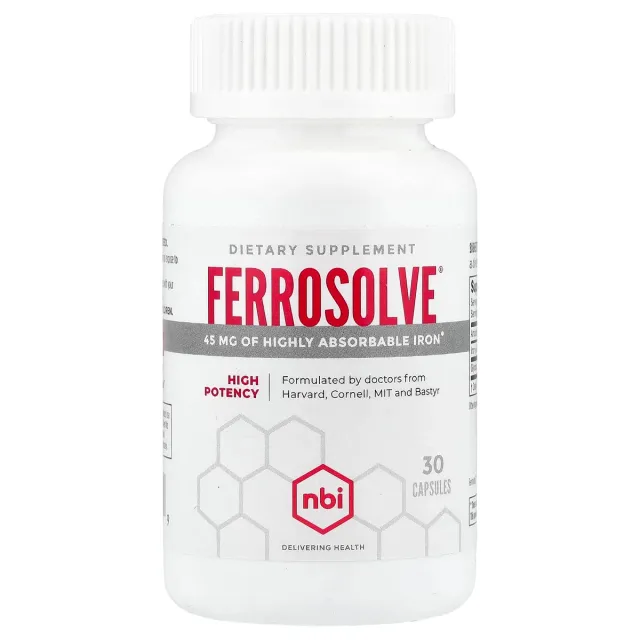
Ferrosolve® is a high-potency iron supplement designed to address iron deficiency and support hemoglobin synthesis. The formulation delivers 45 mg of elemental iron per serving, a dose aligned with therapeutic ranges for iron deficiency anemia, particularly in adults with increased needs or suboptimal dietary intake.
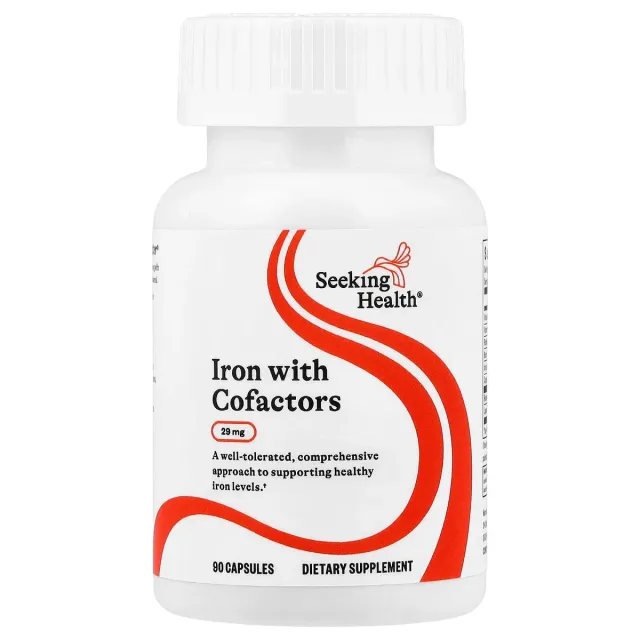
This supplement delivers a high-dose of elemental iron (29 mg) as the primary active ingredient, formulated with cofactors such as vitamin C, riboflavin, copper, and biotin to support iron metabolism and red blood cell formation. The dose of iron is within the therapeutic range for treating iron deficiency, particularly in at-risk populations such as women of reproductive age and pregnant individuals.
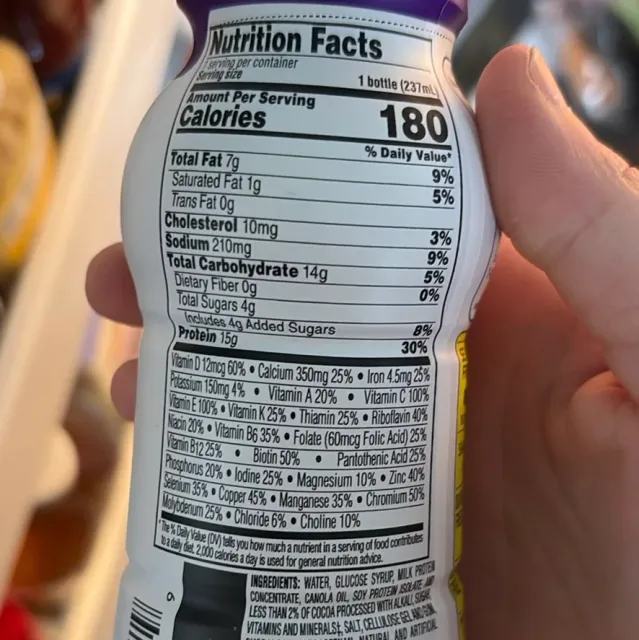
This multivitamin supplement from Nestlé provides clinically relevant doses of vitamin D and calcium as primary nutrients, supporting bone and immune health. Vitamin D (12 mcg) aligns with therapeutic dosing for insufficiency, while calcium (350 mg) contributes meaningfully to daily requirements. Other vitamins and minerals are included at supportive levels, enhancing overall micronutrient intake without targeting specific deficiencies.