Overview
Milk thistle extract, primarily composed of silymarin and its main active constituent silybin (silibinin), has been used for over 2,000 years as a hepatoprotective agent. Silymarin exhibits antioxidant, anti-inflammatory, antifibrotic, immunomodulating, and liver-regenerating properties, supporting its traditional use in liver diseases such as alcoholic liver disease, nonalcoholic fatty liver disease (NAFLD), viral hepatitis, and drug-induced liver injury [1]. Clinical studies suggest potential benefits in non-alcoholic steatohepatitis (NASH), with a randomized trial showing improved liver enzymes and histological markers at higher doses [7]. Additionally, silymarin demonstrates chemopreventive and adjuvant anticancer effects by modulating apoptosis, cell cycle regulators, and inflammation, particularly in prostate, breast, and gastrointestinal cancers [2][3][4]. Its use in combination with chemotherapy agents like doxorubicin may enhance efficacy while reducing toxicity to normal tissues [3].
Dosage Guide
Therapeutic Doses
For treatment of specific conditions
Special Forms
Alternative forms for specific needs
Superior bioavailability; preferred for therapeutic use in liver disease and cancer
General liver support; lower bioavailability than phytosome
Clinical Notes
- Milk thistle is generally well-tolerated, with mild gastrointestinal side effects (diarrhea, bloating) most commonly reported.
- Potential herb-drug interactions: may inhibit CYP3A4 and CYP2C9, affecting metabolism of drugs such as anticoagulants, anticonvulsants, and statins.
- Use with caution in patients with hormone-sensitive cancers due to weak estrogenic activity in vitro.
- Ensure standardized extract with known silymarin content for consistent dosing.
- Silybin phytosome formulations are recommended for higher bioavailability in therapeutic settings.
Research
Silymarin has hepatoprotective effects via antioxidant, anti-inflammatory, and antifibrotic mechanisms in various liver diseases.
Silymarin shows chemopreventive potential in gastrointestinal cancers by modulating apoptosis and inflammation.
Silymarin enhances doxorubicin-induced apoptosis in MCF-7 breast cancer cells and may reduce chemotherapy toxicity.
Silibinin has chemopreventive effects in prostate cancer models with low toxicity, supporting long-term use.
Clinical trials suggest milk thistle is safe and may have protective effects in liver disease and certain cancers.
Silymarin is widely used for chronic hepatitis C, though high-quality efficacy data are limited.
High-dose silymarin (420–700 mg t.i.d.) improved liver enzymes and histology in NASH patients over 48 weeks.
Silybin phytosome formulation significantly enhances bioavailability compared to standard silymarin extracts.
Products Containing Milk Thistle Extract(3 reports)
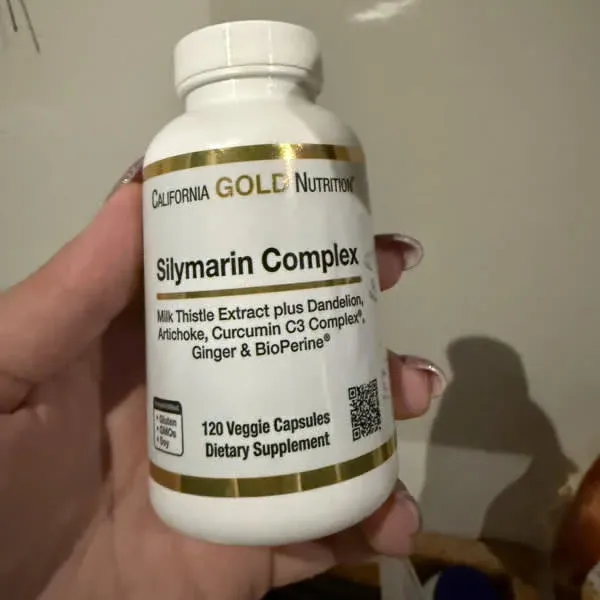
This liver-supportive dietary supplement centers on milk thistle extract (silymarin), a well-researched hepatoprotective agent with antioxidant, anti-inflammatory, and antifibrotic properties. The formulation includes complementary botanicals such as dandelion, artichoke, curcumin, ginger, and BioPerine® to enhance bioavailability and broaden metabolic and anti-inflammatory support. While the primary ingredient is dosed below high-end therapeutic levels, it falls within the clinical range for general liver support when taken as directed.
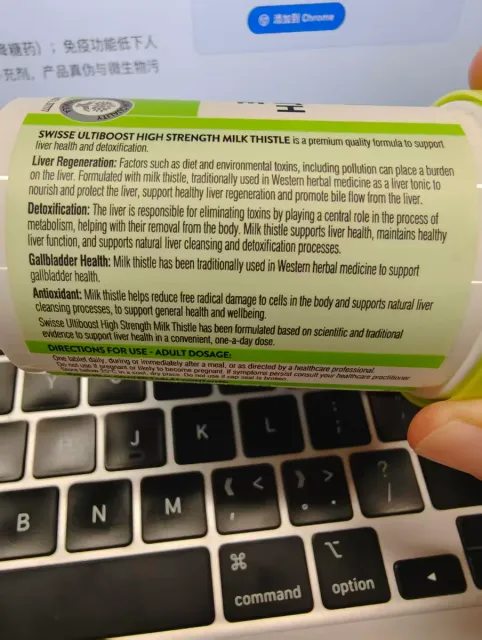
Ultiboost High Strength Milk Thistle is a dietary supplement formulated with 500 mg of milk thistle extract per serving, standardized to deliver silymarin, the primary bioactive compound responsible for hepatoprotective effects. The dose aligns closely with clinically studied ranges for liver support, making it a targeted option for individuals seeking evidence-based liver health benefits.
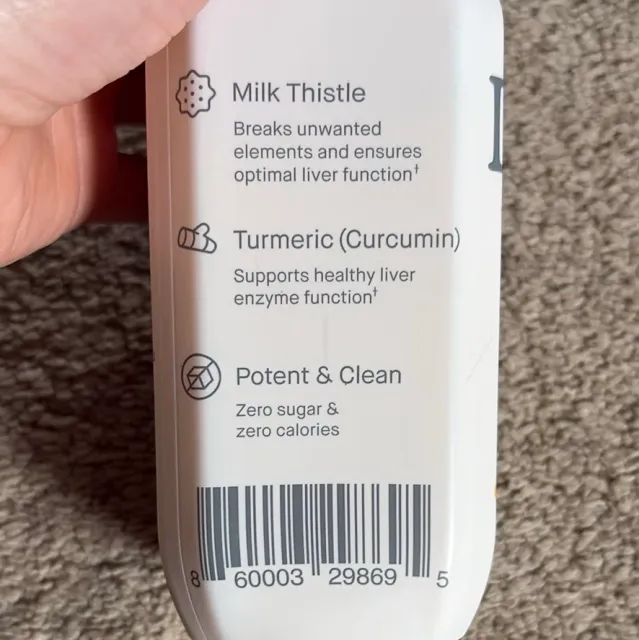
The product is marketed as a liver support supplement, but its primary ingredients are sodium and potassium, which are not clinically relevant for hepatic function at the provided doses. Key hepatoprotective botanicals such as milk thistle, dandelion, and turmeric are listed as 'undetected,' indicating absence or negligible presence.