Overview
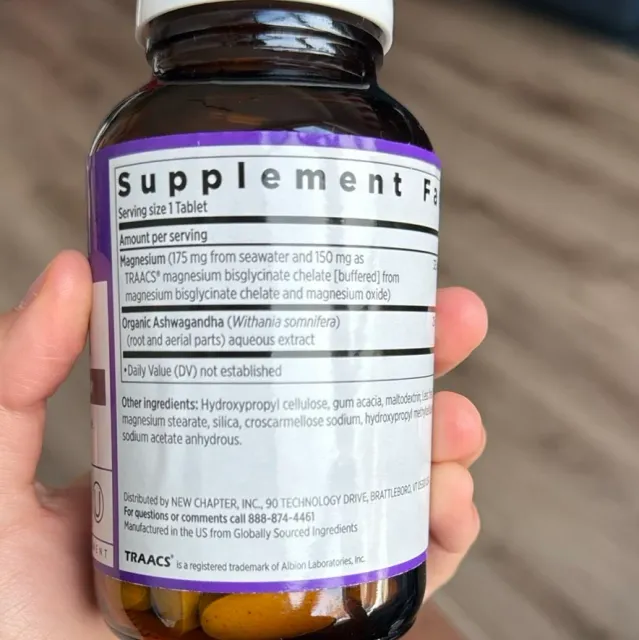
Organic Ashwagandha (Withania somnifera) is an adaptogenic herb traditionally used in Ayurvedic medicine to support stress resilience and overall well-being. Clinical evidence indicates that Ashwagandha root extract helps modulate the hypothalamic-pituitary-adrenal (HPA) axis, reducing cortisol levels and improving symptoms of stress and anxiety. A randomized controlled trial found that doses as low as 125 mg/day of a water-extracted root and leaf extract significantly reduced perceived stress in chronically stressed adults over 8 weeks [6]. Additional studies support its anxiolytic effects, with improvements in anxiety symptoms observed with standardized root extracts [1]. Ashwagandha also demonstrates neuroprotective, anti-inflammatory, and immunomodulatory properties, potentially benefiting cognitive function and sleep quality [5]. Its bioactive withanolides, particularly withaferin A, have shown pre-clinical anti-cancer activity in gliomas and B-cell lymphoma models by inhibiting NF-κB signaling and inducing apoptosis [2][3]. Pharmacokinetic data confirm oral bioavailability of key compounds in humans after single-dose administration [4].
Dosage Guide
Therapeutic Doses
For treatment of specific conditions
Special Forms
Alternative forms for specific needs
Full-spectrum root extract; clinically studied for stress, cognition, and sleep
Standardized root and leaf extract; used in trials for stress and inflammation
High-potency compound for research use; not standard in consumer supplements
Clinical Notes
- Generally well-tolerated, but may cause mild gastrointestinal upset in some individuals
- Potential sedative effects; use caution when combining with CNS depressants or before operating machinery
- Theoretical immunostimulatory effects; use caution in autoimmune conditions
- May lower blood pressure and blood sugar; monitor in individuals on antihypertensives or antidiabetics
- Long-term safety beyond 3 months not fully established; most trials last 6–12 weeks
Research
Naturopathic care including Ashwagandha significantly reduced anxiety symptoms compared to psychotherapy in a 12-week RCT.
Ashwagandha's withanolides, especially withaferin-A, show anti-cancer potential in glioma models via multiple molecular pathways.
Withaferin A inhibits B-cell lymphoma cell survival and tumor growth in vivo by suppressing NF-κB translocation.
Pharmacokinetic study confirms absorption of bioactive compounds from Ashwagandha root extract in healthy humans.
Review highlights Ashwagandha's role in improving stress, sleep, fatigue, and cognitive function with good safety profile.
125 mg/day of Ashwagandha extract significantly reduced stress vs. placebo in a dose-response RCT.
Molecular docking suggests Ashwagandha compounds may interact with SARS-CoV-2 proteins, supporting immunomodulatory potential.
Overview of experimental and clinical evidence supporting Ashwagandha’s neuropharmacological benefits in neurodegenerative disorders.