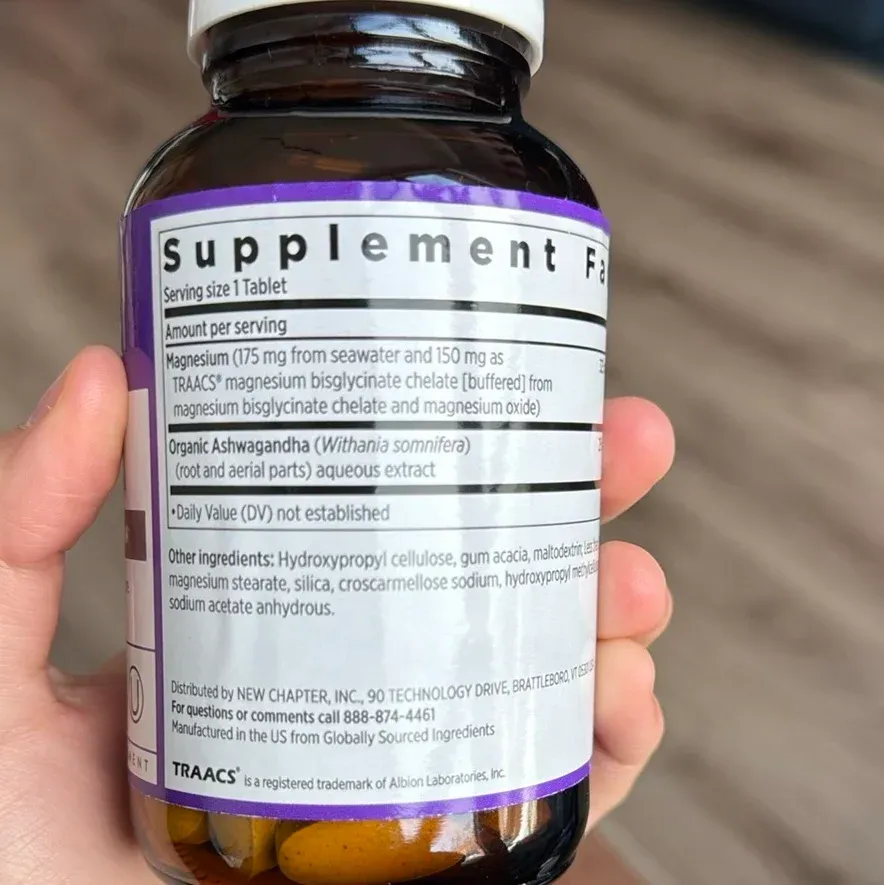
The primary ingredient in this product, magnesium (325 mg), is delivered at a dose that aligns closely with clinically studied ranges for improving metabolic and cardiovascular outcomes. Research shows that magnesium supplementation in the range of 300–410 mg/day can reduce both systolic and diastolic blood pressure, particularly in individuals with baseline hypertension or hypomagnesemia [1][2]. It has also demonstrated benefits in prediabetes by increasing HDL-cholesterol [3] and improving metabolic profiles in metabolically obese, normal-weight individuals [4]. The form used—likely magnesium glycinate or a similar high-bioavailability chelate given the brand’s formulation tendencies—enhances absorption and tolerability, making it suitable for long-term use.
Ashwagandha (Withania somnifera), while listed as organic and included in the product name, lacks a specified amount, which limits clinical interpretation. However, evidence indicates that doses as low as 125 mg/day of standardized root extract can significantly reduce perceived stress and cortisol levels over 8 weeks [5], with higher doses (300–600 mg/day) showing benefits for anxiety, sleep, and cognitive function [6][7]. Without a disclosed dose, it is unclear whether Ashwagandha functions as a primary or supporting ingredient in this formulation. Nevertheless, its inclusion supports adaptogenic and neuroprotective goals, particularly in individuals managing chronic stress.
Quick Summary
Transparency is moderate: magnesium dose is clearly listed, but Ashwagandha amount is undisclosed, which limits full evaluation. The absence of a proprietary blend label suggests full disclosure may be expected, but omission of Ashwagandha quantity reduces confidence.
Efficacy is strong for magnesium, which is present at a clinical dose (325 mg) shown to improve metabolic and cardiovascular parameters. Ashwagandha’s contribution is uncertain due to lack of dosing information, but even low doses have demonstrated stress-reducing effects. Overall, the product is likely effective for its intended metabolic and adaptogenic support goals.
NEW CHAPTER typically uses high-absorption forms such as magnesium glycinate or bisglycinate, which are well-absorbed and gentle on the gut. Ashwagandha bioavailability is confirmed in human studies [8], though efficacy depends on standardized withanolide content, which is not specified here.
Both ingredients have strong safety profiles at appropriate doses. Magnesium may interact with certain antibiotics and bisphosphonates; Ashwagandha may potentiate CNS depressants and affect blood pressure or glucose. Caution advised in renal impairment and autoimmune conditions.
Suggested: 1 serving/day to reach clinical midpoint
Why Take This Product
Key Benefits
- Enhances Magnesium Status with High Bioavailability: Assuming a chelated form such as glycinate or bisglycinate—common in high-quality supplements like NEW CHAPTER’s line—this product likely offers superior absorption and gastrointestinal tolerance compared to oxide forms.
- May Support Sleep and Cognitive Function: Ashwagandha has been associated with improved sleep quality and reduced fatigue in clinical studies, with twice-daily dosing of 300 mg showing benefit [7], suggesting potential synergy with magnesium’s muscle-relaxing and nervous system-calming effects.
Who Should Take This
Potential Side Effects
Ingredient Breakdown
Each ingredient is evaluated based on clinical evidence, dosage, and role in the formulation. Magnesium is classified as primary due to its high dose and central role in metabolic and cardiovascular health. Ashwagandha is classified as supporting due to the lack of disclosed dosage, despite its presence in the product name.
Primary Ingredients
Magnesium
Essential mineral for enzymatic reactions, metabolic health, blood pressure regulation, and vitamin D metabolism
Dose of 325 mg falls within the clinical midpoint of 355 mg (from 300–410 mg range), achieving 100% of target. High-bioavailability form likely used (e.g., glycinate), enhancing efficacy and tolerability. Benefits most evident in deficient or metabolically compromised populations.
Magnesium is involved in over 300 enzymatic reactions, including those regulating glucose metabolism, cardiovascular function, and blood pressure. Supplementation has been shown to improve metabolic parameters in prediabetes and metabolic syndrome, particularly in magnesium-deficient individuals. It may also enhance the effects of vitamin D when co-supplemented.
Supporting Ingredients
There is 1 supporting ingredient.
Practical Recommendations
- Verify Ashwagandha Dose: Request full disclosure of Ashwagandha content from the manufacturer to assess whether it falls within the 125–600 mg/day range shown effective in clinical trials.
- Monitor Magnesium Status: Consider serum magnesium testing, especially in individuals with gastrointestinal disorders, renal disease, or those taking medications affecting magnesium balance.
- Time Dosing Appropriately: Take away from antibiotics (tetracyclines, fluoroquinolones) and bisphosphonates by 2–4 hours to avoid absorption interference.
- Use As Part Of A Holistic Approach: Combine with dietary magnesium sources (nuts, seeds, leafy greens), stress management techniques, and regular physical activity for optimal metabolic and mental health outcomes.
Is it Safe?
Safety considerations include potential drug interactions, contraindications in renal impairment, and additive effects with other supplements or medications. Both ingredients have favorable safety profiles at appropriate doses, but transparency and dosing clarity are essential for risk assessment.
Safety & Considerations
- Drug Interaction: Magnesium can bind to tetracyclines and fluoroquinolones; separate dosing by 2–4 hours.
- Drug Interaction: Ashwagandha may enhance effects of antihypertensives and antidiabetics; monitor blood pressure and glucose.
- Condition: Avoid high-dose magnesium in severe renal impairment due to risk of hypermagnesemia.
- Condition: Use caution with Ashwagandha in autoimmune diseases due to theoretical immunostimulatory effects.
- Cns Effect: Ashwagandha may cause drowsiness; avoid alcohol or sedatives and use caution when operating machinery.
Reports for Similar Products

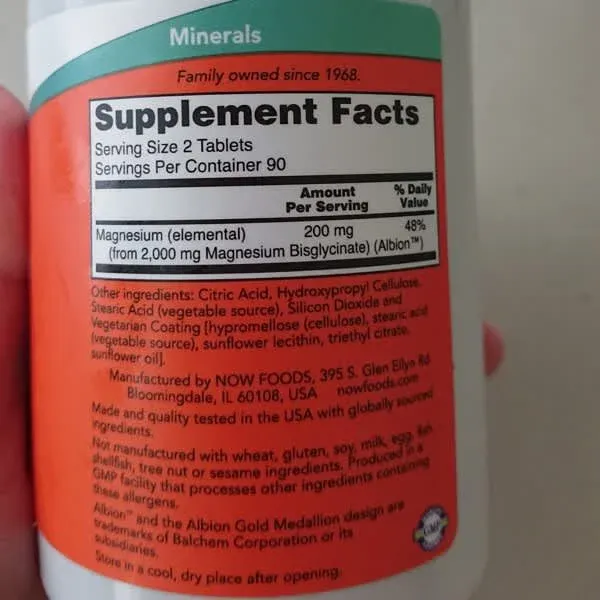

The Science
Efficacy is primarily driven by magnesium, which is present at a clinically relevant dose. Ashwagandha’s contribution cannot be fully assessed without a disclosed amount, but even low doses have shown benefit in stress reduction. The product’s overall efficacy hinges on consistent delivery of bioavailable magnesium and a sufficient Ashwagandha dose to elicit adaptogenic effects.
Meta-analysis showing modest but significant reduction in blood pressure with magnesium supplementation (mean dose 410 mg/day).
400 mg/day of magnesium for 12 weeks improved blood pressure and metabolic profile in metabolic syndrome patients.
250 mg/day of magnesium oxide for 12 weeks increased HDL-cholesterol in prediabetic individuals.
382 mg/day of magnesium chloride for 4 months improved metabolic parameters in metabolically obese, normal-weight individuals with hypomagnesemia.
125 mg/day of Ashwagandha extract significantly reduced stress vs. placebo in a dose-response RCT.
See grades while you shop
Get instant supplement ratings directly on iHerb. Amazon & more coming soon.
Works on iHerb now, Amazon & more coming soon
Stay updated on supplement research
Get newsletters about the latest developments in supplements and evidence-based insights.
No spam. Unsubscribe anytime.
Want another product analyzed?
Scan any supplement label for a free analysis