Overview
Magnesium is an essential mineral involved in over 300 enzymatic reactions, including those regulating blood pressure, glucose metabolism, and cardiovascular function. Evidence suggests that magnesium supplementation may improve metabolic health, particularly in individuals with hypomagnesemia or metabolic syndrome. Supplementation has been shown to reduce systolic and diastolic blood pressure, especially in those with baseline hypertension or low magnesium levels [4][8]. It may also improve metabolic parameters such as HDL-cholesterol in prediabetes [6] and enhance the metabolic profile in metabolically obese, normal-weight individuals [7]. However, not all benefits are consistent—some studies show no effect on insulin sensitivity in type 2 diabetes despite correcting serum magnesium [2]. Magnesium also supports vitamin D metabolism, and co-supplementation may enhance cardiometabolic outcomes [3]. Overall, benefits are most evident in magnesium-deficient populations.
Dosage Guide
Recommended Daily Allowance
For generally healthy individuals
Therapeutic Doses
For treatment of specific conditions
Upper Intake Limit
Maximum safe daily intake
350 mg— Applies to supplemental magnesium only, not food sources
Special Forms
Alternative forms for specific needs
High bioavailability, well-tolerated; preferred for chronic supplementation and metabolic support
Used in clinical trials for metabolic syndrome; good absorption
Common but lower bioavailability; used in studies for prediabetes
Clinical Notes
- Monitor serum magnesium in patients with renal impairment; avoid high-dose supplementation in severe kidney disease
- High-dose magnesium may cause diarrhea, especially with oxide or citrate forms
- Magnesium can interact with certain antibiotics (e.g., tetracyclines, fluoroquinolones) and bisphosphonates—separate dosing by 2-4 hours
- Correction of magnesium status may support vitamin D activation and cardiovascular health
- Benefits are most consistent in individuals with baseline deficiency or metabolic disturbances
Research
382 mg/day of elemental magnesium for 16 weeks reduced prevalence of metabolic syndrome in hypomagnesemic individuals.
15 mmol/day (≈360 mg) of magnesium for 6 weeks did not improve insulin sensitivity in insulin-treated type 2 diabetes with low serum magnesium.
Combining magnesium (360 mg/day as glycinate) with vitamin D increased 25OHD levels and improved blood pressure compared to vitamin D alone.
Meta-analysis showed modest but significant reduction in blood pressure with magnesium supplementation (mean dose 410 mg/day).
Limited evidence for blood pressure reduction in hypertensive adults; effects more pronounced in magnesium-deficient individuals.
250 mg/day of magnesium oxide for 12 weeks increased HDL-cholesterol in prediabetic individuals.
382 mg/day of magnesium chloride for 4 months improved metabolic parameters in metabolically obese, normal-weight individuals with hypomagnesemia.
400 mg/day of magnesium for 12 weeks improved blood pressure and metabolic profile in metabolic syndrome patients.
Products Containing Magnesium(8 reports)
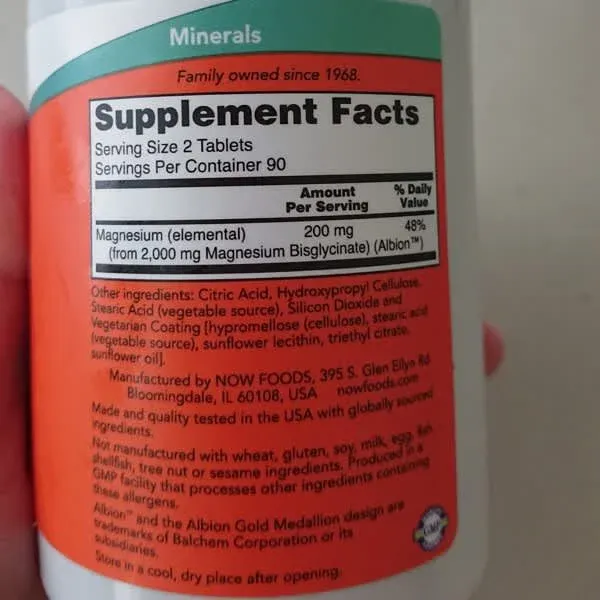
Magnesium Glycinate by NOW Foods provides 200 mg of elemental magnesium per serving in the highly bioavailable glycinate form. This product is formulated to support optimal magnesium status, which plays a critical role in cardiovascular health, glucose metabolism, and blood pressure regulation, particularly in individuals with suboptimal intake or metabolic concerns.

This supplement combines calcium, magnesium, zinc, and vitamin D3—nutrients essential for bone health, metabolic function, and immune support. The formulation delivers clinically relevant doses of vitamin D3 and magnesium, while calcium is provided at the daily recommended level, though evidence for fracture prevention is limited.

This supplement combines magnesium L-threonate, L-theanine, and apigenin to support cognitive function, relaxation, and metabolic health. The primary ingredients—magnesium and L-theanine—are dosed within clinically studied ranges and are associated with improved brain health, reduced anxiety, and enhanced sleep quality. Apigenin is included at a modest dose, potentially contributing antioxidant and anti-inflammatory effects, though human evidence remains limited.

This supplement combines calcium and magnesium as primary minerals to support bone and cardiovascular health, with zinc as a supporting nutrient for immune function. The calcium and magnesium doses are within clinically studied ranges, though calcium intake should be considered in the context of total dietary and supplemental sources due to potential cardiovascular risks.

This Nature Made Magnesium supplement provides 425 mg of elemental magnesium per serving, a dose shown in clinical studies to support metabolic health and blood pressure regulation, particularly in individuals with hypomagnesemia or metabolic syndrome. The product focuses on delivering a high-dose, bioavailable form of magnesium to address common deficiencies and support cardiometabolic function.

This supplement combines magnesium and organic Ashwagandha, with magnesium as the primary active ingredient. The dose of magnesium (325 mg) falls within the clinically effective range for supporting metabolic health, blood pressure regulation, and correcting deficiency. Ashwagandha is included at an unspecified dose, limiting assessment of its contribution to stress and anxiety support.

PRIME TEST PRO TESTOSTERONE BOOSTER is a dietary supplement formulated to support healthy testosterone levels, primarily through clinically relevant doses of Ashwagandha and Fenugreek, two botanicals with emerging evidence for endocrine modulation. The inclusion of supportive nutrients like Vitamin D3, Zinc, and Magnesium—key players in hormonal and metabolic health—further aligns the formula with evidence-based strategies for optimizing male vitality.
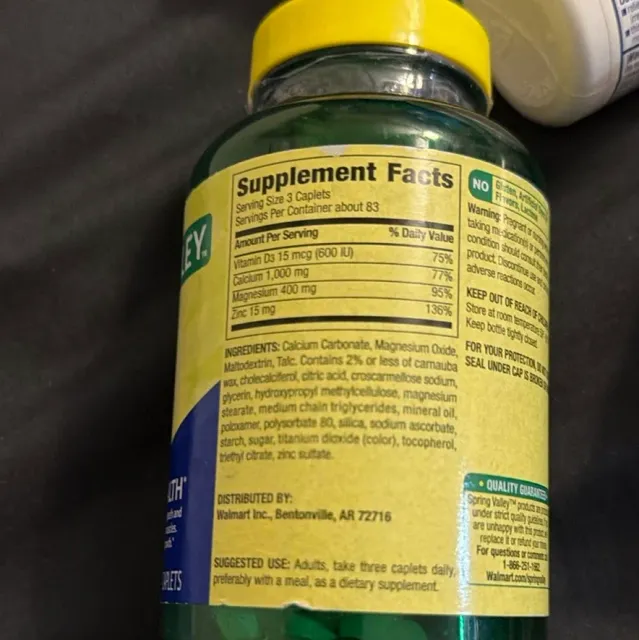
This supplement combines calcium, magnesium, and zinc—three essential minerals critical for bone health, cardiovascular function, and metabolic regulation. The formulation includes vitamin D3 to support calcium absorption, with primary emphasis on bone and mineral metabolism through clinically relevant doses of calcium and magnesium.