Overview
Potassium is an essential mineral that plays a critical role in maintaining electrolyte balance, nerve conduction, muscle function, and cardiovascular health. Higher dietary potassium intake is inversely associated with blood pressure and cardiovascular events, likely due to its ability to counteract the hypertensive effects of sodium [3]. Potassium supplementation has been shown to modestly increase serum potassium levels, particularly in individuals with chronic kidney disease (CKD), though the rise is variable and influenced by concomitant medications and renal function [6][4]. While potassium may exert beneficial effects on blood pressure, it also stimulates plasma aldosterone secretion, which could modulate its long-term cardiovascular benefits [5]. However, excessive potassium intake—especially via supplementation—can lead to hyperkalemia, a potentially life-threatening condition characterized by cardiac arrhythmias, particularly in individuals with renal impairment or those taking medications that impair potassium excretion [1][2].
Dosage Guide
Recommended Daily Allowance
For generally healthy individuals
Therapeutic Doses
For treatment of specific conditions
Upper Intake Limit
Maximum safe daily intake
3700 mg— Tolerable Upper Intake Level applies to supplements; not established for food sources
Special Forms
Alternative forms for specific needs
Common supplemental form; used in clinical settings for hypokalemia
Preferred for patients with kidney stones or metabolic acidosis
Well-tolerated oral supplement form with lower chloride load
Clinical Notes
- Avoid potassium supplements in patients with renal impairment (eGFR <30 mL/min) or those taking ACE inhibitors, ARBs, spironolactone, or other potassium-sparing agents due to hyperkalemia risk [1]
- Monitor serum potassium levels regularly during supplementation, especially in elderly patients and those with comorbid conditions
- Hospitalized patients show highly variable responses to potassium supplementation; concomitant medications significantly affect potassium homeostasis [6]
- Hyperkalemia can cause life-threatening arrhythmias; acute management includes IV insulin, beta-agonists, calcium gluconate, and potassium binders [2]
- Dietary potassium from whole foods (e.g., fruits, vegetables) is preferred over supplements for cardiovascular protection and lower hyperkalemia risk
Research
Drug-induced hyperkalemia can result from impaired renal potassium excretion, excessive intake, or disturbed cellular uptake, especially in patients with renal impairment.
Hyperkalemia is a common and potentially life-threatening electrolyte disorder requiring prompt medical intervention to stabilize myocardial membranes and enhance potassium elimination.
Dietary potassium is inversely correlated with cardiovascular events and risk factors, particularly blood pressure.
Potassium chloride supplementation (40 mmol/day) significantly increased plasma potassium and aldosterone levels in patients with CKD over 2 weeks.
Potassium supplementation increases plasma aldosterone in humans, possibly via non-RAAS mechanisms, which may influence its long-term blood pressure effects.
In hospitalized patients, the rise in serum potassium following supplementation is highly variable and influenced by concomitant medications affecting potassium homeostasis.
Oral potassium supplementation increases serum potassium levels without significant adverse effects on renal function in randomized controlled trials.
Potassium supplementation may lower blood pressure in adults with elevated baseline levels, though evidence is inconsistent across studies.
Products Containing Potassium(2 reports)
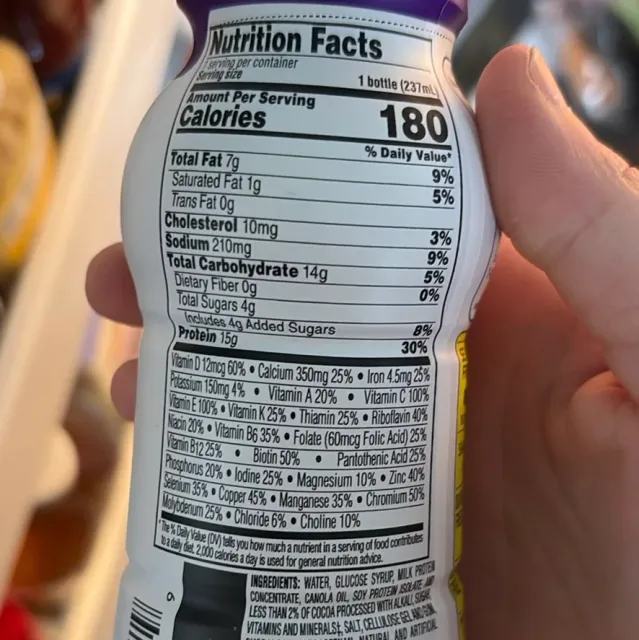
This multivitamin supplement from Nestlé provides clinically relevant doses of vitamin D and calcium as primary nutrients, supporting bone and immune health. Vitamin D (12 mcg) aligns with therapeutic dosing for insufficiency, while calcium (350 mg) contributes meaningfully to daily requirements. Other vitamins and minerals are included at supportive levels, enhancing overall micronutrient intake without targeting specific deficiencies.
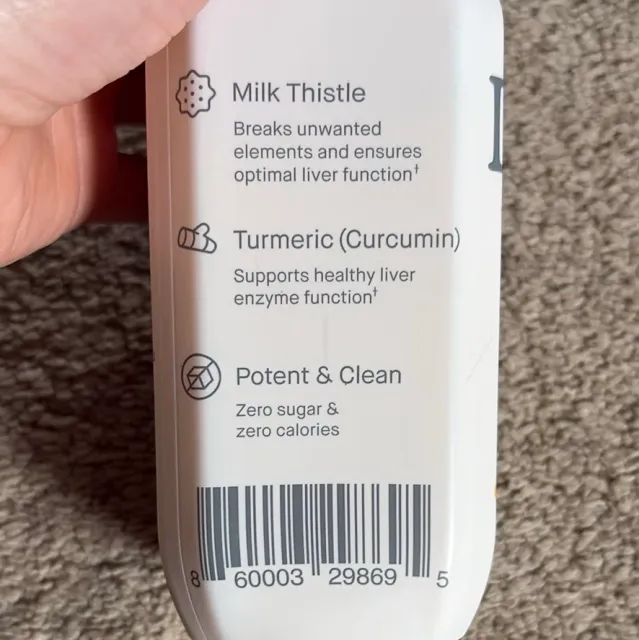
The product is marketed as a liver support supplement, but its primary ingredients are sodium and potassium, which are not clinically relevant for hepatic function at the provided doses. Key hepatoprotective botanicals such as milk thistle, dandelion, and turmeric are listed as 'undetected,' indicating absence or negligible presence.