Overview
Vitamin K1 (phylloquinone) is primarily known for its essential role in blood coagulation, serving as a cofactor for the activation of hepatic vitamin K-dependent clotting factors. Beyond coagulation, emerging evidence suggests vitamin K1 supports bone health by promoting the carboxylation of osteocalcin, a protein involved in bone mineralization. Supplementation with vitamin K1 has been shown to reduce undercarboxylated osteocalcin levels, indicating improved bone metabolism, particularly in individuals with low baseline vitamin K status [4][3]. While some studies suggest potential benefits for insulin sensitivity and glucose homeostasis [2], results from randomized trials have been mixed, with no significant effects observed on inflammatory markers in rheumatoid arthritis patients at a dose of 10 mg/day [6]. Additionally, dietary phylloquinone contributes to menaquinone-4 (MK-4) synthesis in tissues, including breast milk, suggesting a broader physiological impact [7]. However, evidence for cardiovascular protection remains inconclusive, with interindividual variability in response potentially influenced by plasma triglyceride levels [5].
Dosage Guide
Recommended Daily Allowance
For generally healthy individuals
Therapeutic Doses
For treatment of specific conditions
Upper Intake Limit
Maximum safe daily intake
mcg— No Tolerable Upper Intake Level established for vitamin K1 due to low toxicity
Special Forms
Alternative forms for specific needs
Prescription form for treating coagulopathy due to vitamin K deficiency or anticoagulant overdose
Clinical Notes
- Vitamin K1 has a high safety profile with no established upper limit due to low toxicity.
- High-dose vitamin K1 may interfere with warfarin therapy; concurrent use requires close INR monitoring.
- Oral anticoagulant users should maintain consistent vitamin K intake to avoid fluctuations in anticoagulant effect.
- Fat malabsorption syndromes (e.g., cystic fibrosis, biliary obstruction) increase risk of deficiency.
- Monitor undercarboxylated osteocalcin levels in research or clinical settings to assess functional vitamin K status.
Research
No significant effect of vitamin K1 supplementation on hand osteoarthritis progression over 3 years in older adults.
Higher dietary phylloquinone intake was associated with better insulin sensitivity and lower risk of type 2 diabetes in observational analysis.
Supplementing with 80 mcg/day of vitamin K1 improved markers of bone formation and reduced undercarboxylated osteocalcin in premenopausal women.
Dietary phylloquinone depletion increased undercarboxylated osteocalcin and NTx, while repletion reversed these changes, indicating impact on bone turnover.
Plasma triglycerides were associated with variable response in vitamin K biomarkers following supplementation, suggesting lipid metabolism influences vitamin K status.
10 mg/day of vitamin K1 for 8 weeks did not reduce inflammatory markers (IL-6, hs-CRP, TNFα) or improve clinical status in rheumatoid arthritis patients.
Maternal phylloquinone supplementation increased menaquinone-4 levels in breast milk, indicating conversion from K1 to K2 form.
Products Containing Vitamin K1(2 reports)
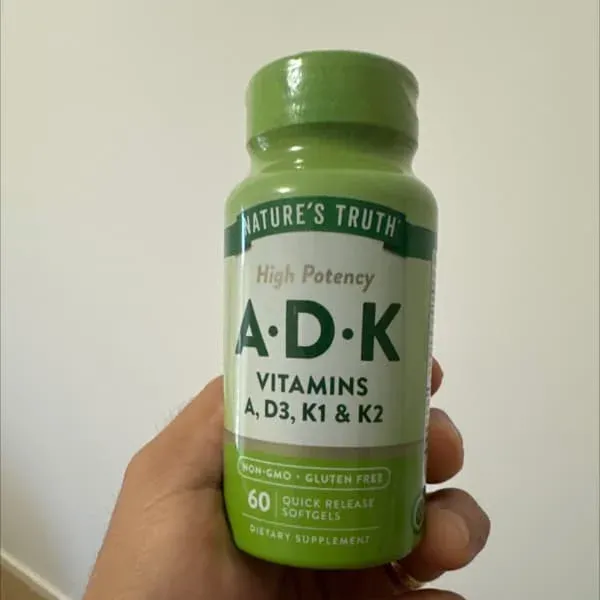
This high-potency supplement combines vitamins A, D, and K—fat-soluble nutrients critical for immune function, bone health, and vascular integrity. Vitamin D is provided at a clinically relevant dose of 5,000 IU, which aligns with therapeutic regimens for correcting deficiency and supporting immune health. While vitamins A and K are included in meaningful amounts, their doses may exceed dietary needs and require caution in certain populations.
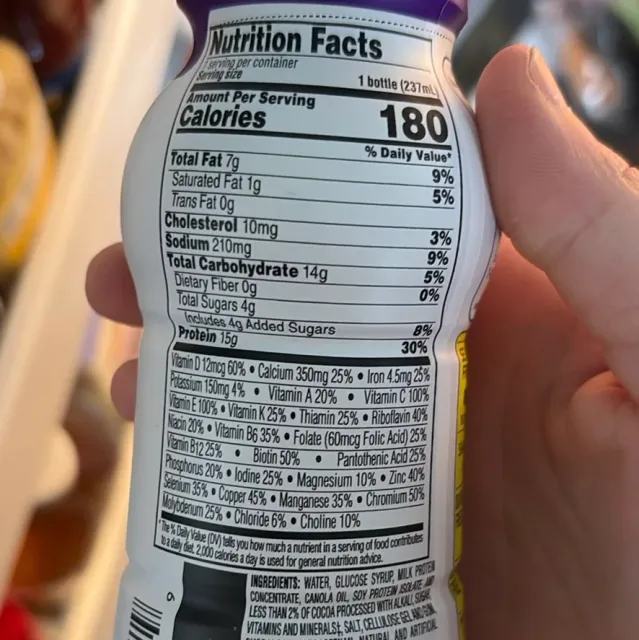
This multivitamin supplement from Nestlé provides clinically relevant doses of vitamin D and calcium as primary nutrients, supporting bone and immune health. Vitamin D (12 mcg) aligns with therapeutic dosing for insufficiency, while calcium (350 mg) contributes meaningfully to daily requirements. Other vitamins and minerals are included at supportive levels, enhancing overall micronutrient intake without targeting specific deficiencies.