Overview
Zinc is an essential trace mineral involved in numerous physiological processes, including immune function, DNA synthesis, cell division, and growth. Evidence supports zinc supplementation in specific clinical contexts, particularly in populations at risk of deficiency. In children with severe pneumonia, zinc supplementation at 2 mg/kg/day (up to 20 mg/day) significantly reduced symptom duration and improved clinical outcomes when used as an adjuvant to antibiotics [2][8]. However, in radiologically confirmed pneumonia, zinc did not significantly reduce recovery time or treatment failure [4]. Zinc supplementation has also been shown to be safe and potentially cost-effective in severe cholera [6] and may benefit HIV-positive adults in low-income settings by addressing common micronutrient deficiencies [3][7]. In children under 5 in low- and middle-income countries, zinc supplementation did not consistently improve growth or nutritional status [1]. Plasma zinc levels respond rapidly to supplementation, increasing within days of initiation and declining after discontinuation, indicating its dynamic regulation [5].
Dosage Guide
Recommended Daily Allowance
For generally healthy individuals
Therapeutic Doses
For treatment of specific conditions
Upper Intake Limit
Maximum safe daily intake
40 mg— Tolerable upper intake level for adults; long-term high doses may cause copper deficiency and adverse effects
Special Forms
Alternative forms for specific needs
Common supplemental form, often used in clinical trials
Well-absorbed form, frequently used in lozenges and oral supplements
Used in some formulations for improved bioavailability and in liver disease
Clinical Notes
- High-dose zinc supplementation (>40 mg/day long-term) may lead to copper deficiency, anemia, and impaired immune function
- Zinc can interfere with absorption of certain antibiotics (e.g., quinolones, tetracyclines); separate administration by 2–3 hours
- Oral zinc may cause gastrointestinal upset; taking with food can reduce this risk
- Monitor zinc and copper levels in patients on long-term supplementation
- Avoid intranasal zinc formulations due to risk of anosmia
Research
No significant effect of zinc supplementation on growth or malnutrition prevalence in children under 5 in LMICs.
Zinc (2 mg/kg/day, max 20 mg/day) reduced symptom resolution time in children with severe pneumonia.
Study protocol to evaluate zinc's effects on obesity and metabolic parameters in adults; no results reported in this paper.
No significant benefit of zinc on recovery time or treatment failure in radiologically confirmed pneumonia in young children.
Plasma zinc concentration rises rapidly with supplementation (10–20 mg/day) and declines quickly after stopping in healthy men.
Zinc supplements are well-tolerated and may be beneficial in severe cholera.
Micronutrient supplementation, including zinc, may reduce morbidity in HIV-positive adults in low-income settings.
Zinc as adjuvant therapy led to marginally faster recovery in children with severe pneumonia.
Products Containing Zinc(7 reports)
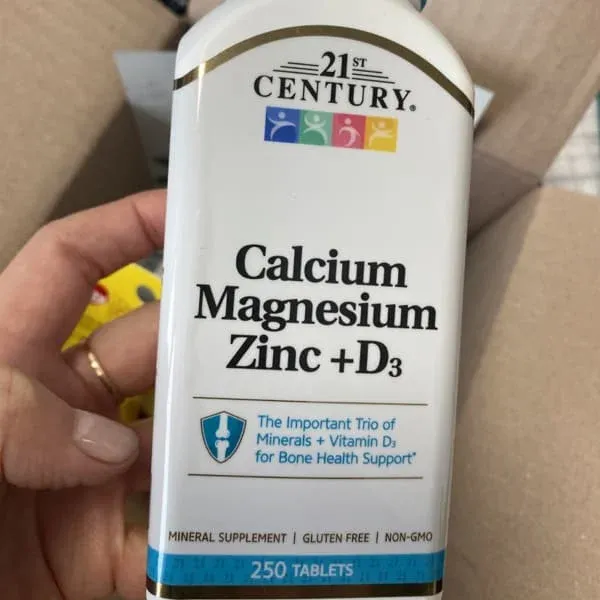
This supplement combines calcium, magnesium, zinc, and vitamin D3—nutrients essential for bone health, metabolic function, and immune support. The formulation delivers clinically relevant doses of vitamin D3 and magnesium, while calcium is provided at the daily recommended level, though evidence for fracture prevention is limited.
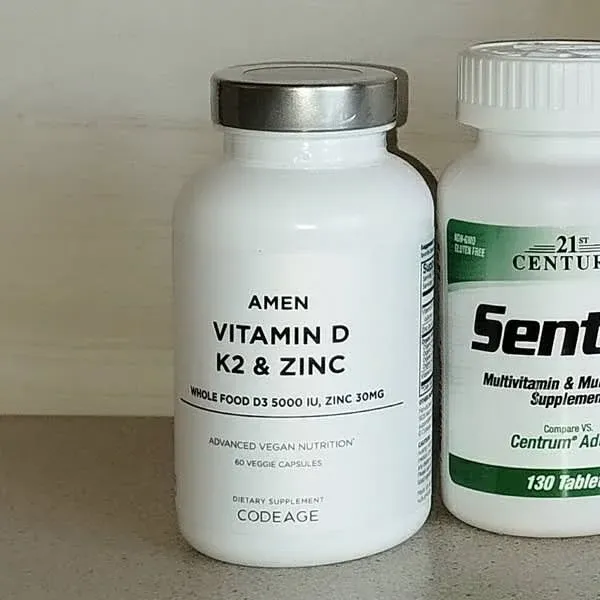
This supplement combines vitamin D3, vitamin K2 (as MK-7), and zinc—three nutrients critical for immune function, bone health, and mineral metabolism. The formulation leverages synergistic interactions between fat-soluble vitamins D and K, while providing a clinically relevant dose of zinc to support immune resilience.
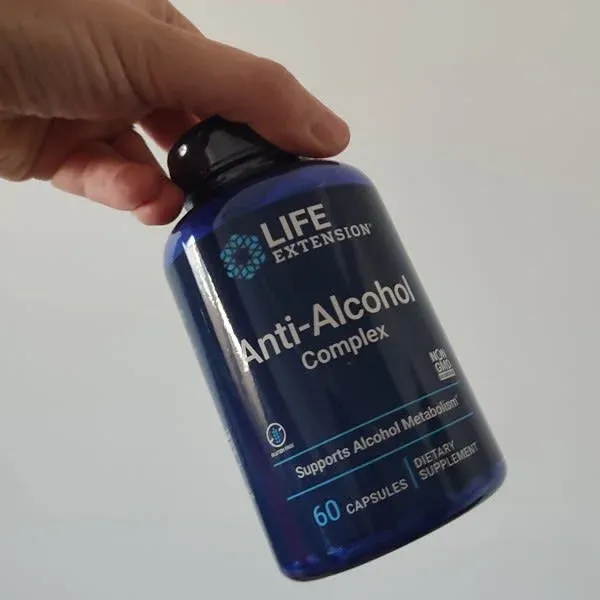
Anti-Alcohol Complex is a dietary supplement formulated to support liver health, antioxidant defense, and metabolic recovery in individuals with alcohol use or exposure. The formula features high-dose N-acetyl-L-cysteine (NAC) and benfotiamine as primary ingredients, both of which are clinically studied for mitigating alcohol-related oxidative stress and thiamine deficiency. These are supported by antioxidants like vitamin C, selenium, and glutathione precursors to enhance detoxification and cellular protection.

This supplement combines calcium and magnesium as primary minerals to support bone and cardiovascular health, with zinc as a supporting nutrient for immune function. The calcium and magnesium doses are within clinically studied ranges, though calcium intake should be considered in the context of total dietary and supplemental sources due to potential cardiovascular risks.

ALPHA TEST is a male performance supplement formulated with fenugreek, tribulus, and longjack extracts—herbal ingredients traditionally associated with testosterone support and sexual health. While preclinical studies suggest potential androgenic and metabolic benefits, high-quality human clinical trials do not consistently support efficacy for boosting testosterone or improving sexual function.

PRIME TEST PRO TESTOSTERONE BOOSTER is a dietary supplement formulated to support healthy testosterone levels, primarily through clinically relevant doses of Ashwagandha and Fenugreek, two botanicals with emerging evidence for endocrine modulation. The inclusion of supportive nutrients like Vitamin D3, Zinc, and Magnesium—key players in hormonal and metabolic health—further aligns the formula with evidence-based strategies for optimizing male vitality.
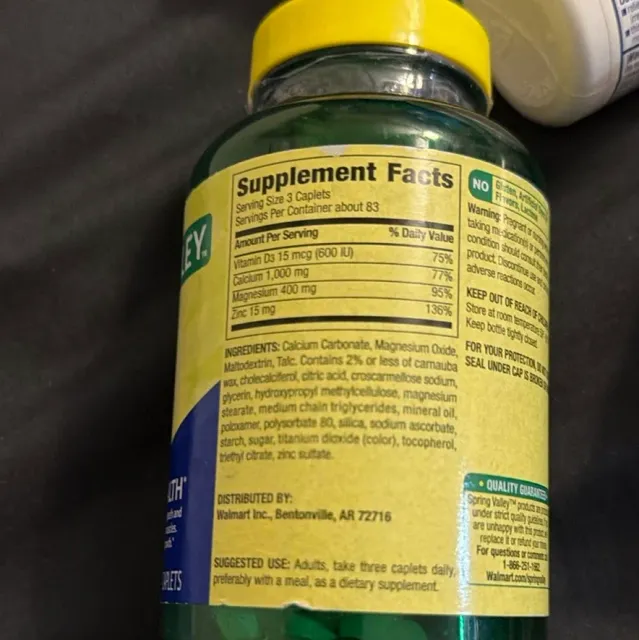
This supplement combines calcium, magnesium, and zinc—three essential minerals critical for bone health, cardiovascular function, and metabolic regulation. The formulation includes vitamin D3 to support calcium absorption, with primary emphasis on bone and mineral metabolism through clinically relevant doses of calcium and magnesium.