Overview
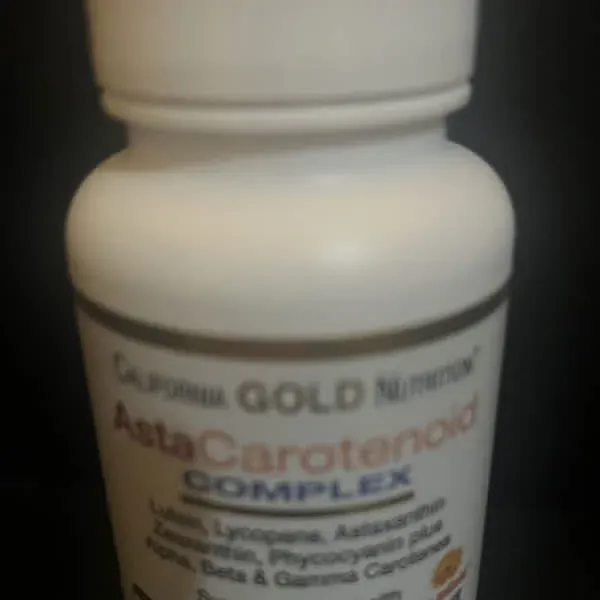
C-Phycocyanin is a blue pigment-protein complex derived from spirulina (Arthrospira platensis) with antioxidant, anti-inflammatory, and neuroprotective properties. It has been studied for its potential role in protecting against oxidative stress-related conditions, including age-related macular degeneration (AMD), due to its ability to scavenge free radicals and inhibit inflammatory pathways such as COX-2 and LOX [2][1]. While direct clinical trials on c-phycocyanin for AMD or other chronic diseases in humans are limited, preclinical studies suggest it may support retinal health by reducing photo-oxidative damage and enhancing cellular defense mechanisms. However, robust human evidence is lacking, and current research does not yet support definitive therapeutic recommendations [3][8].
Dosage Guide
Therapeutic Doses
For treatment of specific conditions
Special Forms
Alternative forms for specific needs
Common source of c-phycocyanin; typical dose 1-8 g/day
Used in research; concentration ranges from 10-30% phycocyanin
Clinical Notes
- Product standardization is a major concern—c-phycocyanin content varies significantly between supplements.
- Limited long-term safety data; possible autoimmune stimulation in susceptible individuals.
- Potential contamination of spirulina products with heavy metals or microcystins if not properly sourced.
- No established RDA or UL for c-phycocyanin; doses based on preliminary research and spirulina studies.
Research
Macular pigment, derived from diet, may help prevent or delay age-related maculopathy; rationale supports antioxidant interventions.
Evidence for dietary supplements in age-related macular degeneration is modest, despite popular use.
Phase III trials for supplements should be preceded by phase II dose-finding studies to establish efficacy and optimal dosing.
Some dietary supplements show efficacy in joint disease with minimal side effects, highlighting need for evidence-based development.
Clinicians need reliable data to advise patients on supplement safety, efficacy, and quality, as consumer use is widespread.
Herbal supplement trials face challenges including lack of standardization and difficulty in blinding.
Dietary supplement use is common in oncology, but communication gaps exist between patients and providers.
Most dietary supplements lack strong evidence for safety or efficacy, despite increasing consumer use.