Overview
Apigenin is a flavonoid found in various plants, including parsley, celery, and chamomile, and has been studied for its potential antioxidant, anti-inflammatory, and anticancer properties. Preclinical studies suggest that apigenin may modulate signaling pathways involved in cell proliferation, apoptosis, and inflammation, supporting its investigation as a chemopreventive agent [7]. However, clinical evidence in humans remains limited, with no robust randomized controlled trials establishing efficacy for any specific health condition. While flavonoids like apigenin are generally considered safe when consumed in dietary amounts, the potential for toxicity with high-dose supplementation has not been fully evaluated, and concerns about product standardization and regulatory oversight remain [1][2]. Further clinical development of apigenin as a dietary supplement requires rigorous phase II dose-finding and safety studies before larger phase III trials can be justified [8].
Dosage Guide
Therapeutic Doses
For treatment of specific conditions
Upper Intake Limit
Maximum safe daily intake
mg— No established tolerable upper intake level; safety of long-term high-dose supplementation unknown
Special Forms
Alternative forms for specific needs
More water-soluble form found in parsley and chamomile; may have altered bioavailability
Clinical Notes
- Limited human safety data exist for high-dose apigenin supplementation; potential for unknown toxicities with long-term use.
- Apigenin may interact with cytochrome P450 enzymes and drug metabolism; caution with concurrent medication use.
- Due to lack of standardization in supplements, product potency and purity may vary significantly between brands.
Research
Flavonoids, including apigenin, have potential toxicity that is understudied, despite their widespread use in dietary supplements.
Clinical trials of herbal treatments face challenges including lack of standardization and difficulty in blinding, limiting evidence quality.
Dietary supplements for conditions like erectile dysfunction lack adequate clinical trial data to confirm benefits beyond placebo.
Scientific validity of many commercial natural compounds is limited by poor quality control and lack of regulatory oversight.
Herbal supplements lack evidence for liver disease treatment but show some promise for functional gastrointestinal symptoms.
80 mg/day of purified isoflavones was safe over 12 weeks in men with prostate cancer, suggesting safety of certain flavonoid-like compounds at pharmacologic doses.
Preclinical data support chemopreventive potential of natural agents like apigenin, with few side effects reported in long-term use.
Phase II dose-finding studies should precede phase III trials for dietary supplements to ensure efficacy and optimal dosing.
Products Containing Apigenin(2 reports)
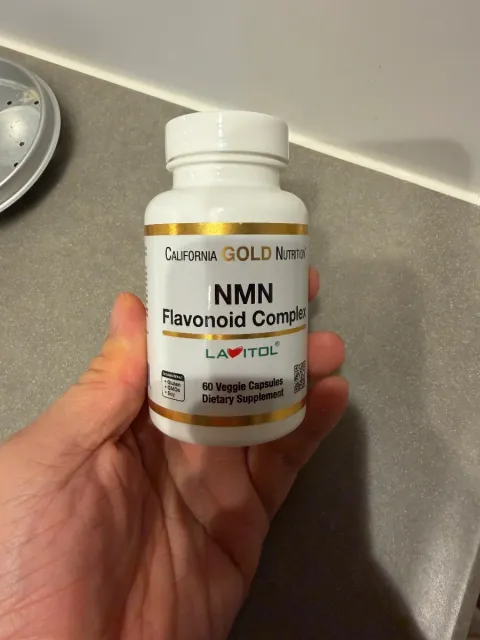
NMN Flavonoid Complex is a dietary supplement featuring nicotinamide mononucleotide (NMN) as the primary active ingredient, formulated to support cellular energy metabolism and healthy aging through NAD+ biosynthesis. The addition of flavonoids apigenin and dihydroquercetin provides antioxidant and anti-inflammatory support, though their doses are sub-clinical and serve a secondary role.
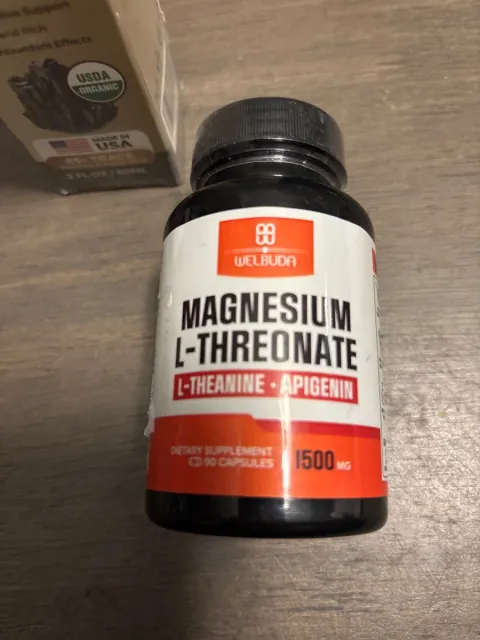
This supplement combines magnesium L-threonate, L-theanine, and apigenin to support cognitive function, relaxation, and metabolic health. The primary ingredients—magnesium and L-theanine—are dosed within clinically studied ranges and are associated with improved brain health, reduced anxiety, and enhanced sleep quality. Apigenin is included at a modest dose, potentially contributing antioxidant and anti-inflammatory effects, though human evidence remains limited.