Overview
Turmeric extract, derived from Curcuma longa, is a widely studied herbal supplement known for its anti-inflammatory, antioxidant, and potential metabolic benefits. Its primary bioactive compounds, curcuminoids (especially curcumin), have demonstrated the ability to reduce oxidative stress by inhibiting nitric oxide (NO) and inducible nitric oxide synthase (iNOS) production in microglial cells, suggesting neuroprotective potential [1]. Clinical evidence supports its use in reducing inflammatory and oxidative stress biomarkers in osteoarthritis of the knee, with a 4-month randomized trial showing significant improvements compared to placebo [8]. Additionally, turmeric and curcumin supplementation may improve lipid profiles, including reductions in total cholesterol, LDL-C, and triglycerides, particularly in individuals with cardiovascular risk factors [4]. In individuals with prediabetes and type 2 diabetes, turmeric/curcumin supplementation has shown modest but significant reductions in anthropometric indices such as body weight and BMI, suggesting anti-obesity potential [5]. However, poor oral bioavailability due to low solubility, rapid metabolism, and excretion remains a major limitation, prompting the development of enhanced formulations like curcumagalactomannoside (CGM) to improve systemic delivery and efficacy [6][7]. Topical applications of curcumin have also shown promise in managing skin conditions due to antioxidant, anti-inflammatory, and antimicrobial properties, though clinical data remain limited [2]. Safety concerns include potential hepatotoxicity with high-dose or poorly formulated products, emphasizing the need for standardized, well-tolerated preparations [3].
Dosage Guide
Therapeutic Doses
For treatment of specific conditions
Special Forms
Alternative forms for specific needs
Enhanced bioavailability using fenugreek fiber; suitable for standard dosing without piperine
Piperine increases absorption by up to 2000%; common in supplements
Improved systemic delivery and tissue uptake
Enhanced solubility and bioavailability
Research
Turmeric extract reduces nitric oxide and iNOS expression in BV2 microglial cells, indicating antioxidant and neuroprotective mechanisms.
Review highlights clinical studies on topical curcumin for skin conditions, leveraging antioxidant, anti-inflammatory, and antimicrobial effects.
Curcumin may offer hepatoprotection but some formulations raise concerns about potential hepatotoxicity.
Meta-analysis shows turmeric/curcumin significantly reduces total cholesterol, LDL-C, and triglycerides in patients with cardiovascular risk factors.
Dose-response meta-analysis finds turmeric/curcumin supplementation improves anthropometric indices in prediabetes and type 2 diabetes.
CGM formulation using fenugreek galactomannan enhances bioavailability of 'free' curcuminoids, improving clinical efficacy potential.
Nanotechnology-based delivery systems improve curcumin solubility, bioavailability, and therapeutic potential.
Randomized controlled trial shows turmeric extract reduces inflammation and oxidative stress in knee osteoarthritis over 4 months.
Products Containing Turmeric Extract(3 reports)
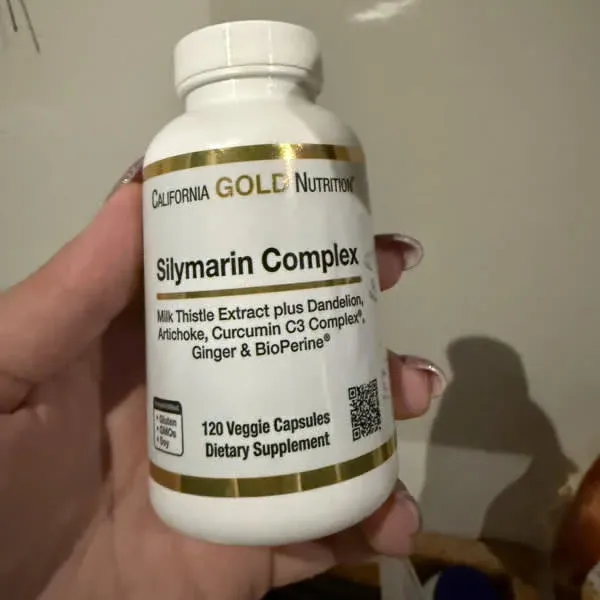
This liver-supportive dietary supplement centers on milk thistle extract (silymarin), a well-researched hepatoprotective agent with antioxidant, anti-inflammatory, and antifibrotic properties. The formulation includes complementary botanicals such as dandelion, artichoke, curcumin, ginger, and BioPerine® to enhance bioavailability and broaden metabolic and anti-inflammatory support. While the primary ingredient is dosed below high-end therapeutic levels, it falls within the clinical range for general liver support when taken as directed.
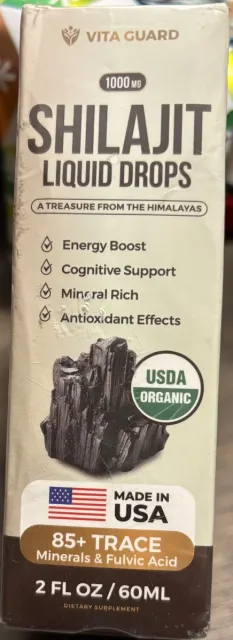
This supplement is centered on shilajit, a traditional Ayurvedic substance with potential adaptogenic and mitochondrial-supporting properties. The 1000 mg dose of shilajit is at the upper limit of clinically studied ranges, suggesting a focus on energy, cognitive, and fatigue support. Other ingredients are included in much lower amounts and likely serve supportive roles.
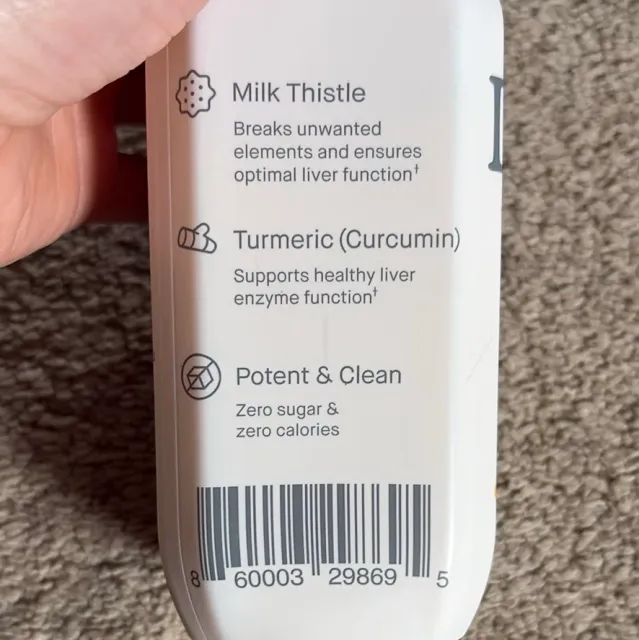
The product is marketed as a liver support supplement, but its primary ingredients are sodium and potassium, which are not clinically relevant for hepatic function at the provided doses. Key hepatoprotective botanicals such as milk thistle, dandelion, and turmeric are listed as 'undetected,' indicating absence or negligible presence.