Overview
Biotin (vitamin B7) is a water-soluble vitamin essential for carboxylase enzyme function in energy metabolism, fatty acid synthesis, and amino acid catabolism. It also plays a role in gene expression and skin, hair, and nail health. While frank biotin deficiency is rare, marginal deficiency may occur during pregnancy and could increase the risk of birth defects, suggesting a potential role for supplementation in this population [4]. High-dose biotin (100 mg three times daily, totaling 300 mg/day) has been investigated as a therapeutic agent in progressive multiple sclerosis, with one randomized, double-blind, placebo-controlled trial showing a signal toward disability reversal, though larger confirmatory studies are needed [2]. Despite widespread use for hair and nail strengthening, robust evidence supporting biotin supplementation for dermatologic conditions in non-deficient individuals is limited, and large-scale randomized trials are lacking [1]. Excessive intake of biotin supplements may lead to adverse effects, including interference with laboratory assays (e.g., falsely elevated troponin or falsely low TSH), which poses clinical risks [3][4].
Dosage Guide
Recommended Daily Allowance
For generally healthy individuals
Therapeutic Doses
For treatment of specific conditions
Upper Intake Limit
Maximum safe daily intake
10000 mcg— No established Tolerable Upper Intake Level (UL) by the IOM; however, doses >10 mg/day may interfere with lab tests
Special Forms
Alternative forms for specific needs
Standard supplemental form, biologically active
Clinical Notes
- High-dose biotin (>5 mg/day) can interfere with immunoassays, leading to falsely high or low results for hormones (e.g., TSH, troponin), potentially causing misdiagnosis
- Discontinue biotin at least 48 hours (preferably 7 days) before blood testing to avoid assay interference
- Pregnant women may be at risk of marginal deficiency; ensure adequate intake through diet or prenatal vitamins
- No strong evidence supports biotin supplementation for hair or nail growth in non-deficient individuals
- Therapeutic use in multiple sclerosis remains investigational and should only be used under medical supervision
Research
Evidence for biotin in dermatologic conditions is limited by lack of large RCTs and standardized dosing
High-dose biotin (300 mg/day) showed potential efficacy in disability reversal in progressive multiple sclerosis
High-dose biotin may cause laboratory test interference and other adverse effects
Marginal biotin deficiency may occur in pregnancy and could increase risk of birth defects
No strong evidence supports routine vitamin supplementation, including biotin, in healthy individuals
Products Containing Vitamin B7(4 reports)
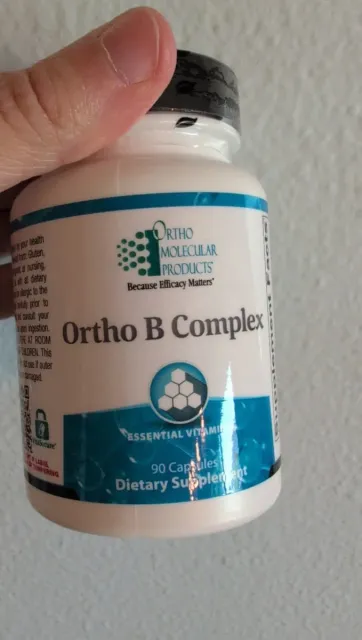
Ortho B Complex is a high-potency B-complex supplement delivering 50 mg each of vitamins B1, B2, B3, B5, and B6, along with 200 mcg B12, 1,360 mcg folic acid (B9), 75 mcg biotin, 19 mg choline, and 50 mg inositol. The formulation emphasizes pharmacological doses of B vitamins, particularly those involved in energy metabolism, homocysteine regulation, and neurological function.
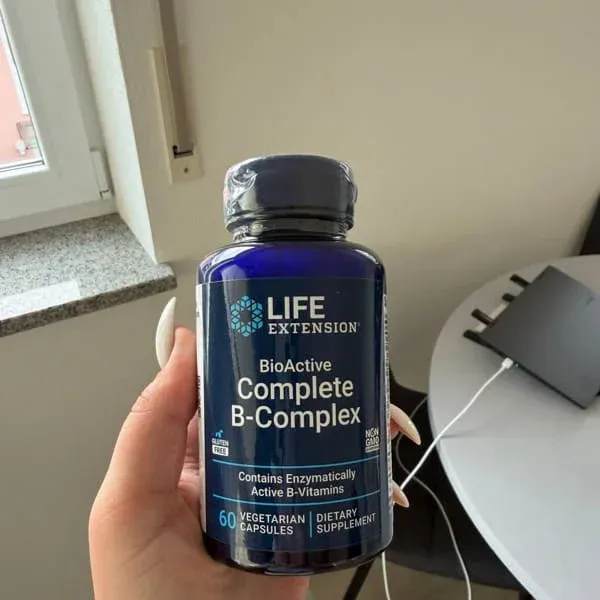
BioActive Complete B-Complex is a high-potency B-vitamin supplement designed to support energy metabolism, neurological function, and homocysteine regulation. The formulation features all eight B vitamins at doses that meet or exceed clinically studied levels for key indications, with particular emphasis on B1, B2, B3, B6, B9, and B12 for metabolic and neurological support.
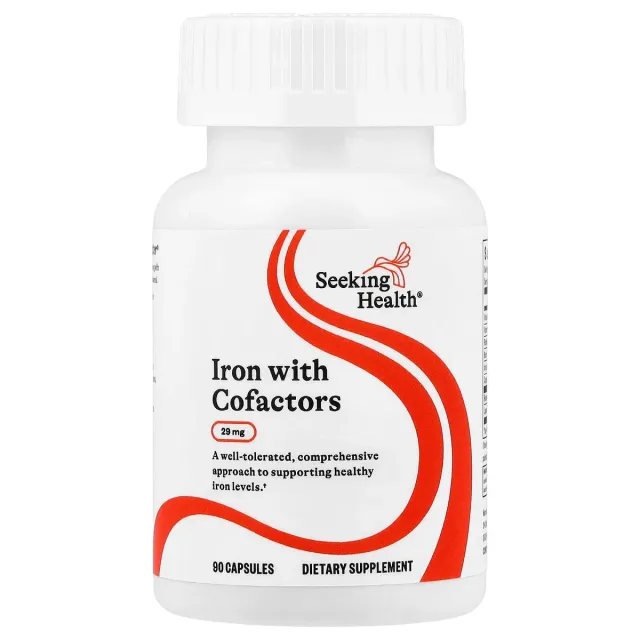
This supplement delivers a high-dose of elemental iron (29 mg) as the primary active ingredient, formulated with cofactors such as vitamin C, riboflavin, copper, and biotin to support iron metabolism and red blood cell formation. The dose of iron is within the therapeutic range for treating iron deficiency, particularly in at-risk populations such as women of reproductive age and pregnant individuals.
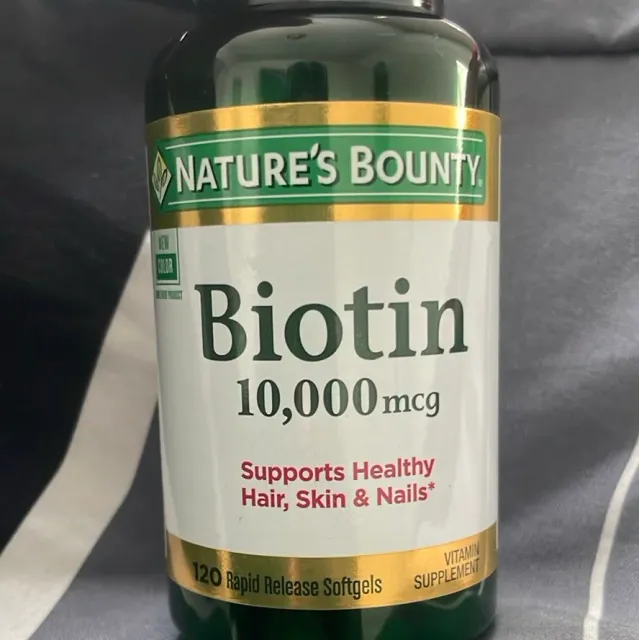
This high-dose biotin supplement provides 10,000 mcg per serving, significantly exceeding the recommended daily allowance. While biotin is essential for metabolic function and skin, hair, and nail health, robust evidence supporting supplementation in non-deficient individuals is limited. High doses may interfere with laboratory testing, necessitating caution.