Overview
Sodium is an essential mineral that plays a critical role in fluid balance, nerve transmission, and muscle function. However, excessive sodium intake is strongly associated with elevated blood pressure, a major risk factor for cardiovascular disease. Clinical evidence shows that reducing sodium intake lowers blood pressure, particularly in individuals with hypertension. Conversely, in specific populations such as premature infants, sodium supplementation may be beneficial; early sodium supplementation in preterm infants reduced the incidence of hyponatremia and improved weight gain without increasing common morbidities [1]. In adults, high sodium intake counteracts the blood pressure-lowering effects of potassium, and interventions that modify the sodium-potassium balance significantly impact cardiovascular risk markers [2]. Thus, while sodium is necessary for physiological function, optimal health outcomes are associated with balanced, context-specific intake.
Dosage Guide
Recommended Daily Allowance
For generally healthy individuals
Therapeutic Doses
For treatment of specific conditions
Upper Intake Limit
Maximum safe daily intake
2300 mg— Tolerable upper intake level for adults; higher intake increases hypertension risk
Special Forms
Alternative forms for specific needs
Oral or IV repletion for hyponatremia, electrolyte balance
Metabolic acidosis, athletic performance (buffering agent)
Clinical Notes
- High sodium intake is associated with increased blood pressure and cardiovascular risk; reduction is recommended for hypertensive individuals.
- In premature infants, sodium supplementation is clinically beneficial but must be carefully monitored to avoid overload.
- Sodium restriction should be individualized; excessive restriction may activate the renin-angiotensin-aldosterone system.
- Monitor serum sodium levels when supplementing, especially in infants or patients with renal or cardiac conditions.
Research
Sodium supplementation (4 mEq/kg/d) in preterm infants reduced hyponatremia and improved weight gain without increasing complications.
In a controlled dietary study, sodium supplementation (3 g/day) increased blood pressure, while potassium supplementation (3 g/day) lowered it in untreated (pre)hypertensive adults.
Potassium supplementation was evaluated for blood pressure management; findings support potassium's role in lowering blood pressure, especially when sodium intake is high.
Potassium supplementation did not significantly alter heart rate in adults, suggesting its cardiovascular benefits are primarily mediated through blood pressure reduction.
Potassium supplementation significantly reduced systolic blood pressure by 4.48 mmHg in hypertensive individuals in a meta-analysis of RCTs.
Calcium supplementation was reviewed for blood pressure effects, with indirect relevance to sodium balance via renal mechanisms.
Updated review confirms modest blood pressure-lowering effect of calcium, with potential interaction with sodium-potassium balance.
Potassium supplementation lowers blood pressure in hypertensive subjects, with greater effects seen in those with low baseline potassium intake.
Products Containing Sodium(6 reports)

CollagenUP® is a marine collagen peptide supplement designed to support skin and joint health. The primary ingredient, hydrolyzed marine collagen peptides (5 g per serving), is supported by hyaluronic acid and vitamin C to enhance collagen synthesis and tissue hydration. While the collagen dose is below typical clinical levels, it is formulated for daily use as part of a broader nutritional strategy.
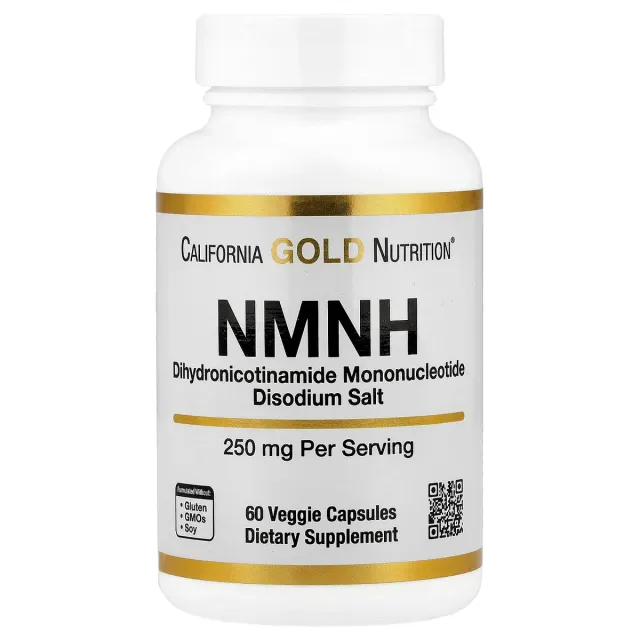
NMNH is a dietary supplement featuring dihydronicotinamide mononucleotide disodium salt, a reduced form of NMN and precursor to NAD+, a coenzyme involved in cellular energy metabolism and aging processes. While the primary ingredient effectively raises NAD+ levels in clinical studies, evidence for functional health benefits such as improved glucose metabolism or physical performance remains limited and inconsistent. The product contains a minimal amount of sodium, which does not contribute significantly to daily intake or therapeutic effects.
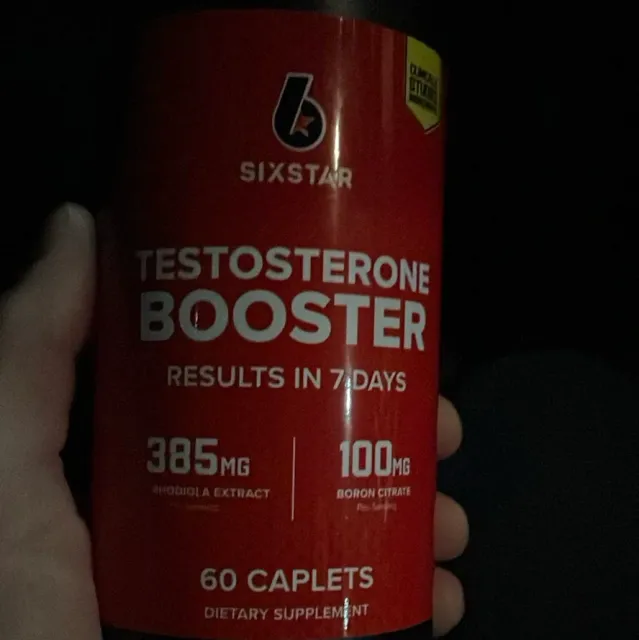
This testosterone booster contains Rhodiola extract as its primary ingredient, dosed at 385 mg per serving, which aligns closely with clinical doses studied for adaptogenic and fatigue-reducing effects. While Rhodiola may support hormonal balance under stress, there is no direct high-quality evidence that it significantly increases testosterone in humans. Supporting ingredients include thiamin, sodium, ginkgo, and boron, though most are present in sub-clinical or non-targeted amounts for testosterone enhancement.
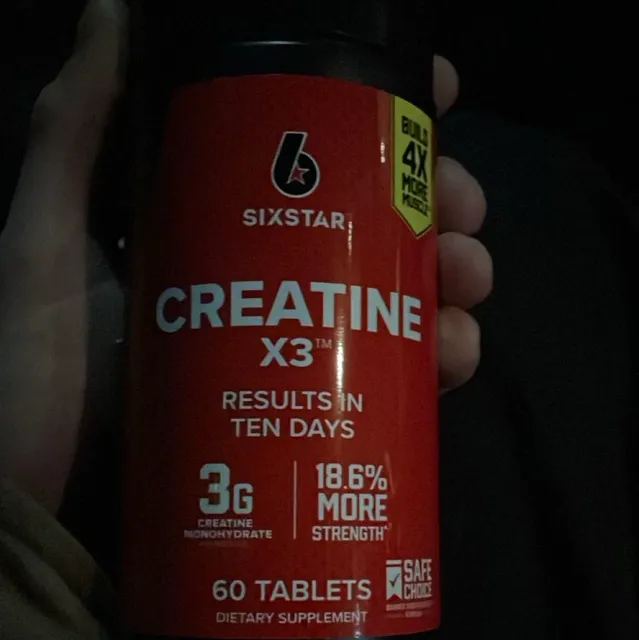
CREATINE X3 is a performance-focused dietary supplement centered on creatine monohydrate, the most researched and effective form of creatine for enhancing high-intensity exercise capacity. With a clinically effective dose of 3,000 mg per serving, it supports increased strength, power output, and lean mass gains when combined with resistance training.
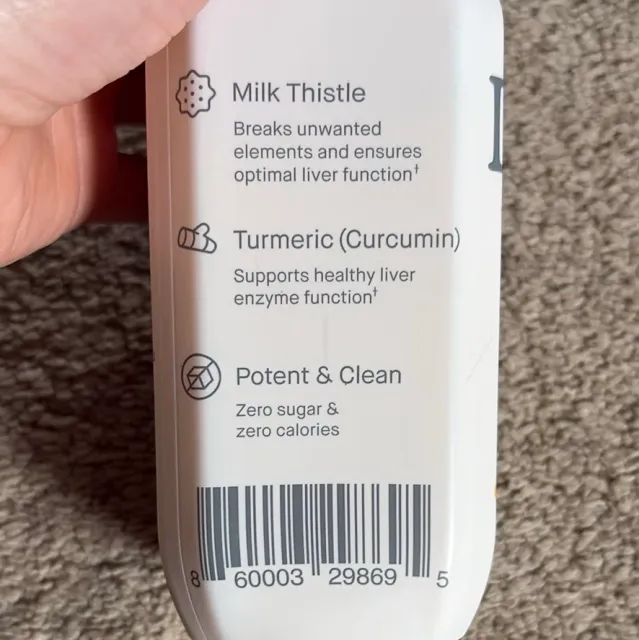
The product is marketed as a liver support supplement, but its primary ingredients are sodium and potassium, which are not clinically relevant for hepatic function at the provided doses. Key hepatoprotective botanicals such as milk thistle, dandelion, and turmeric are listed as 'undetected,' indicating absence or negligible presence.
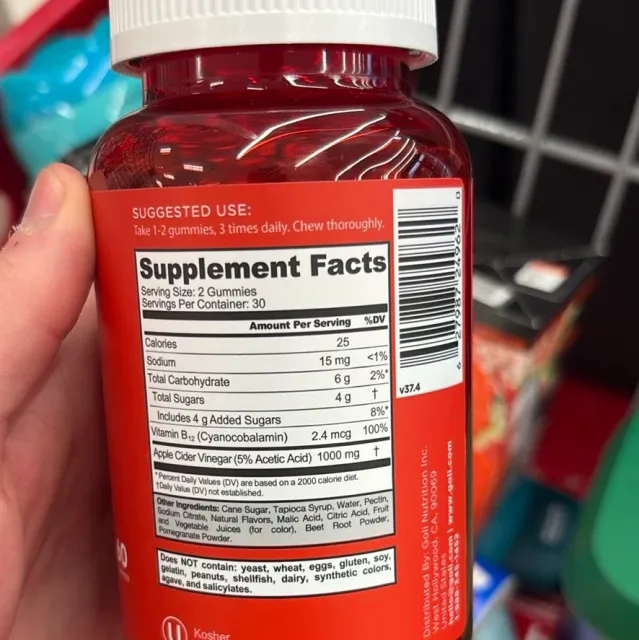
This supplement delivers apple cider vinegar (ACV) as its primary active ingredient, standardized to 1000 mg per serving, alongside supporting nutrients vitamin B12 and a small amount of sodium. The formulation is designed for metabolic and general wellness support, leveraging acetic acid and polyphenols from fermented apple cider. While the ACV dose aligns with common therapeutic intakes, the gummy format may delay acetate absorption compared to liquid forms.