Overview
Vitamin B3, also known as niacin or nicotinamide, is a precursor to nicotinamide adenine dinucleotide (NAD+), a critical coenzyme involved in cellular energy production, DNA repair, and regulation of metabolic and immune responses. Supplementation with nicotinamide has demonstrated clinical benefits in specific populations, most notably in reducing the incidence of nonmelanoma skin cancers among individuals with a history of these conditions. In a phase 3 randomized trial, 500 mg of nicotinamide twice daily significantly reduced the rate of new nonmelanoma skin cancers over 12 months [3]. However, evidence for broader metabolic or neurocognitive benefits in humans remains limited. While nicotinamide riboside (NR) and nicotinamide mononucleotide (NMN) increase blood NAD+ levels in a dose-dependent manner [2][5][6], clinical outcomes such as insulin sensitivity, physical performance, or cognitive function have not consistently improved in human trials [1]. Overall, the strongest evidence supports nicotinamide use for skin cancer chemoprevention, while other proposed benefits require further validation.
Dosage Guide
Recommended Daily Allowance
For generally healthy individuals
Therapeutic Doses
For treatment of specific conditions
Upper Intake Limit
Maximum safe daily intake
35 mg— Applies to supplemental nicotinic acid; higher doses may cause flushing or liver toxicity
Special Forms
Alternative forms for specific needs
Preferred for skin cancer prevention; does not cause flushing
Used for dyslipidemia at prescription doses; causes vasodilatory flushing
NAD+ boosting; available as dietary supplement
Emerging NAD+ precursor; under investigation for anti-aging effects
Clinical Notes
- High-dose nicotinic acid can cause flushing, hepatotoxicity, and insulin resistance; requires monitoring
- Nicotinamide does not cause flushing and is safer for long-term use
- Avoid high-dose niacin in individuals with liver disease or peptic ulcer disease
- Prescription niacin for lipid management should be used under medical supervision due to risk of adverse effects
- NAD+ precursor supplements (NR, NMN) increase biomarkers but lack robust evidence for clinical efficacy
Research
Oral nicotinamide riboside supplementation shows few clinically relevant effects in humans despite increasing NAD+ levels.
Low-dose nicotinamide (40 mg/day) as part of B-complex supplementation showed no significant effects on biochemical or clinical outcomes in critically ill COVID-19 patients.
500 mg nicotinamide twice daily reduced the incidence of new nonmelanoma skin cancers by 23% over 12 months in high-risk individuals.
Limited evidence supports nicotinamide's role in improving neurocognitive function, though mechanistic pathways suggest potential for future research.
Doses of 100–1000 mg/day of nicotinamide riboside significantly increased whole blood NAD+ levels in a dose-dependent manner over 8 weeks with good safety profile.
NMN supplementation (300–900 mg/day) increased blood NAD+ concentrations dose-dependently over 60 days, but clinical benefits were not clearly demonstrated.
A multivitamin supplement including B3 showed promise in improving outcomes in people with HIV, though effects of B3 alone were not isolated.
General vitamin supplementation, including B vitamins, lacks strong evidence for benefit in healthy individuals; targeted use is more supported.
Products Containing Vitamin B3(6 reports)

Ortho B Complex is a high-potency B-complex supplement delivering 50 mg each of vitamins B1, B2, B3, B5, and B6, along with 200 mcg B12, 1,360 mcg folic acid (B9), 75 mcg biotin, 19 mg choline, and 50 mg inositol. The formulation emphasizes pharmacological doses of B vitamins, particularly those involved in energy metabolism, homocysteine regulation, and neurological function.
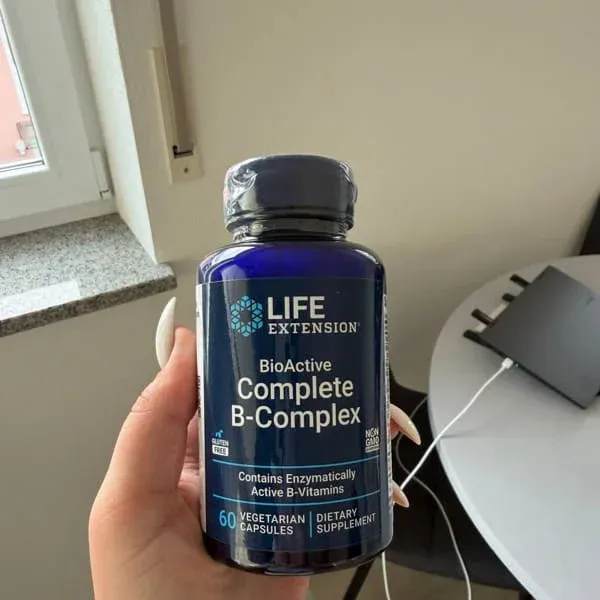
BioActive Complete B-Complex is a high-potency B-vitamin supplement designed to support energy metabolism, neurological function, and homocysteine regulation. The formulation features all eight B vitamins at doses that meet or exceed clinically studied levels for key indications, with particular emphasis on B1, B2, B3, B6, B9, and B12 for metabolic and neurological support.
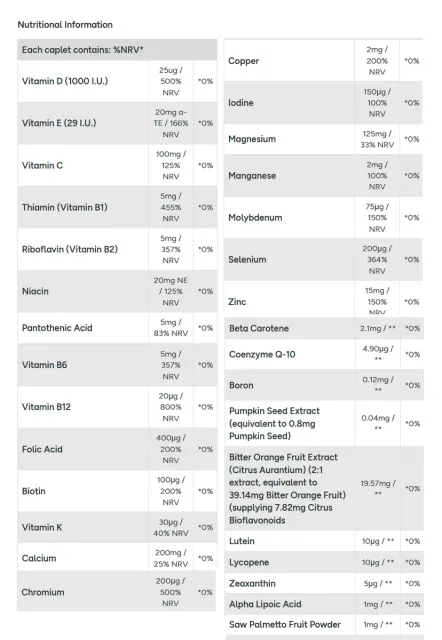
This supplement delivers high-dose vitamin D (25µg/1000 IU) as a primary ingredient, supported by a full B-complex, vitamins C and E. The formulation is designed to support immune function, metabolic health, and antioxidant defense, with clinically relevant dosing of key micronutrients.
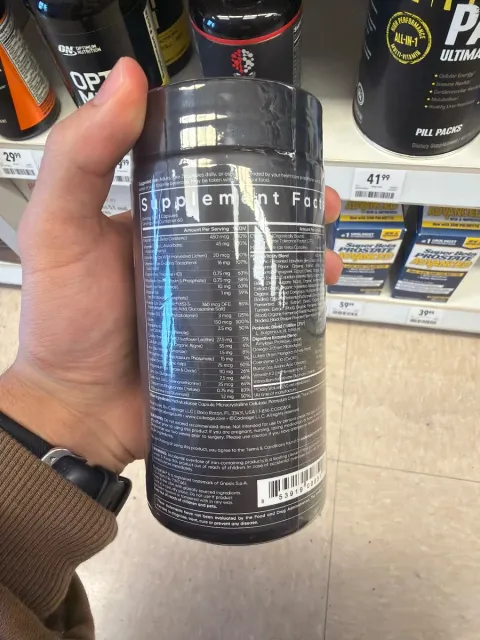
This multivitamin formulation delivers essential vitamins at moderate doses, with vitamin D3, vitamin A, and B-complex vitamins as primary contributors to nutritional support. The inclusion of clinically relevant forms such as D3 (cholecalciferol) and methylfolate-capable dosing suggests a focus on bioavailability and metabolic utility.

HYDROXYCUT HARDCORE LIQUID HEAT is a thermogenic weight management supplement with caffeine and cayenne pepper extract as its primary active ingredients. These compounds are clinically shown to enhance metabolic rate, reduce energy intake, and support fat oxidation. The formulation includes supporting doses of B-vitamins and green coffee bean extract to complement energy metabolism and cardiovascular health.
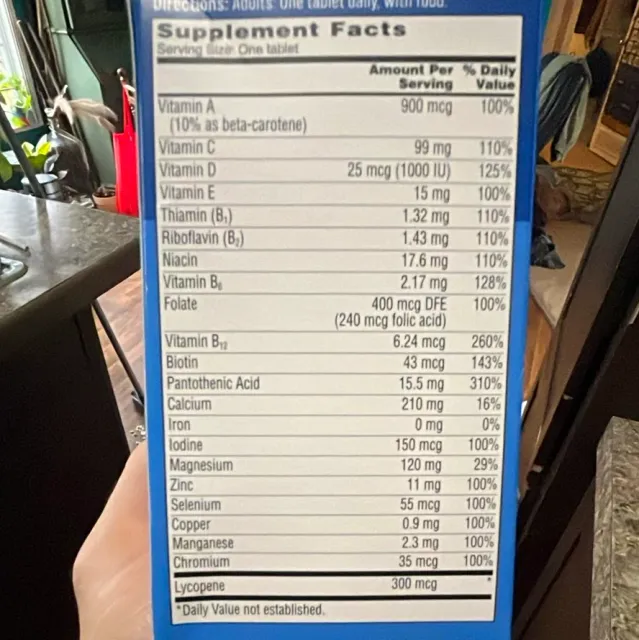
This multivitamin provides a comprehensive blend of essential vitamins at doses aligned with recommended dietary allowances and evidence-based clinical ranges. Vitamin D, B12, and folate are included at levels shown to support immune, neurological, and cardiovascular health, particularly in at-risk populations.