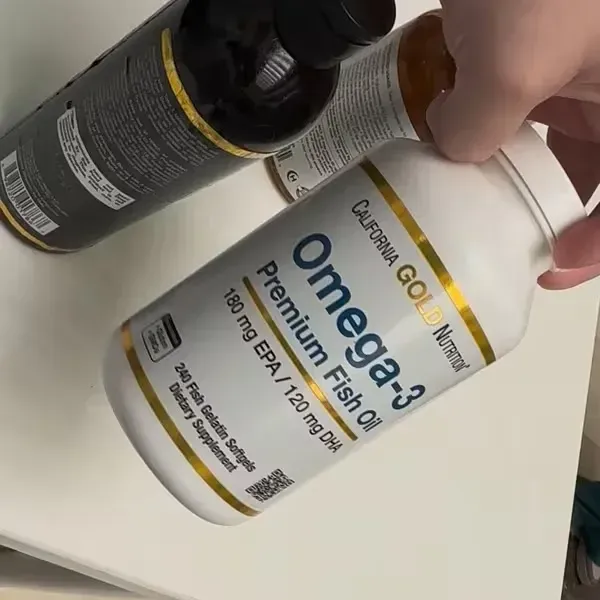
Omega-3 fatty acids, particularly eicosapentaenoic acid (EPA) and docosahexaenoic acid (DHA), are essential long-chain polyunsaturated fats with well-documented roles in cardiovascular function, brain health, and inflammation regulation. While both can be obtained from dietary sources like fatty fish, supplementation is common among individuals with low fish intake or elevated cardiovascular risk. This product delivers both EPA and DHA in re-esterified triglyceride or ethyl ester form (not specified), which influences bioavailability.
Clinical research indicates that doses of EPA and DHA ≥2 g/day are associated with significant reductions in myocardial infarction and coronary heart disease risk, particularly in individuals with elevated triglycerides or low baseline omega-3 status [1]. Lower doses, such as those in this product, may support general health but are unlikely to achieve the same magnitude of cardiovascular protection observed in high-dose intervention trials. Incorporation of EPA into cell membranes occurs in a dose-dependent manner and serves as a biomarker of intake [2][3].
Quick Summary
All ingredient amounts are clearly disclosed with no proprietary blends, allowing for accurate assessment of dosing and safety.
While the ingredients are evidence-based, the doses of EPA and DHA are substantially lower than those shown to reduce cardiovascular events in clinical trials. It may support general health but is underdosed for therapeutic cardiovascular outcomes.
Fish oil is a standard delivery form for EPA and DHA, but the specific form (triglyceride vs. ethyl ester) is not disclosed. Triglyceride forms generally offer better absorption, so lack of specification limits full bioavailability assessment.
The product contains safe levels of EPA and DHA for general use, but potential interactions with anticoagulants and bleeding risk at high intakes should be noted. Vitamin E content, if present as a preservative, is not specified.
Ingredient Breakdown
The primary active ingredients in this supplement are EPA and DHA, two omega-3 fatty acids with distinct but overlapping physiological roles. EPA is more strongly linked to anti-inflammatory and cardioprotective effects, while DHA is critical for neural and retinal development and function.
Primary Ingredients
EPA
Cardiovascular support, inflammation resolution
Need 6-11 capsules daily to reach clinical dose range of 1000–4000 mg; significantly underdosed for cardiovascular event reduction per high-dose trials [1]
Eicosapentaenoic acid (EPA) is a long-chain omega-3 fatty acid that modulates inflammation and supports heart health. It is incorporated into cell membranes and serves as a precursor to specialized pro-resolving mediators.
DHA
Brain and retinal health, cardiovascular support
Need 4-17 capsules daily to reach clinical dose range; underdosed for cardiovascular or cognitive outcomes, though may support general health
Docosahexaenoic acid (DHA) is essential for neurological development and function, particularly during pregnancy and infancy. It also contributes to cardiovascular health and inflammation regulation.
Practical Recommendations
- Consider Higher Dose For Cardiovascular Risk Reduction: For individuals seeking cardiovascular protection, especially those with elevated triglycerides or low fish intake, consider increasing intake to at least 2 g/day of EPA or EPA+DHA, potentially requiring multiple servings or a higher-potency product.
- Monitor For Drug Interactions: Patients on anticoagulant therapy (e.g., warfarin) should consult a healthcare provider before use due to potential additive effects on platelet function and bleeding risk.
- Optimize With Dietary Intake: Combine supplementation with regular consumption of fatty fish (e.g., salmon, mackerel) to enhance overall omega-3 status and support sustained plasma levels of pro-resolving mediators [4].
Is it Safe?
Omega-3 supplements are generally well tolerated, but high doses may increase bleeding risk, especially in individuals taking anticoagulants. Minor gastrointestinal effects such as fishy aftertaste or reflux are common. Caution is advised before surgery or in individuals with bleeding disorders.
Safety & Considerations
- Drug Interaction: May increase bleeding risk when combined with anticoagulants such as warfarin or antiplatelet agents.
- Pre-Surgical Use: Discontinue at least 7–10 days before surgery due to potential effects on platelet aggregation.
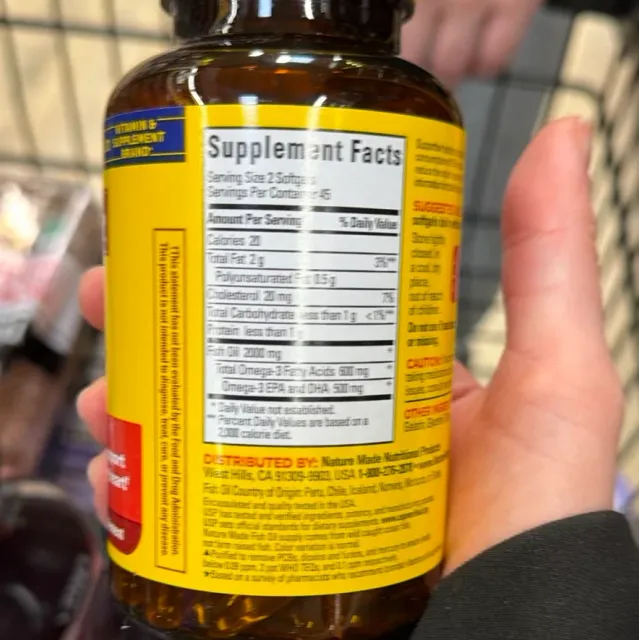
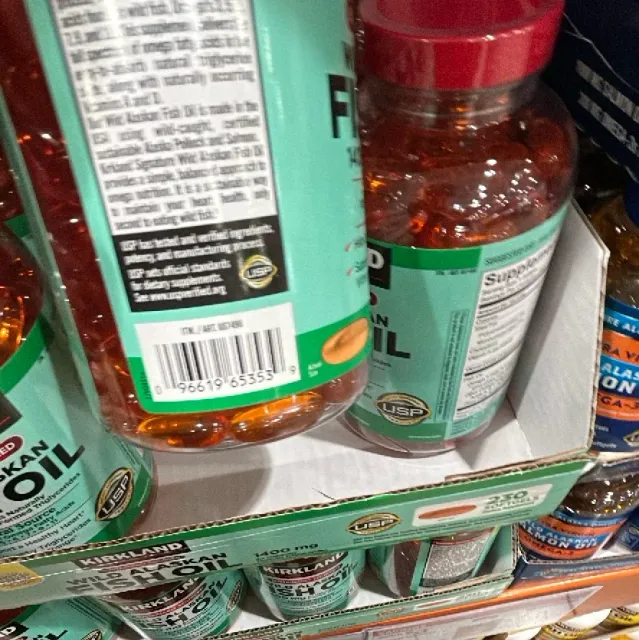
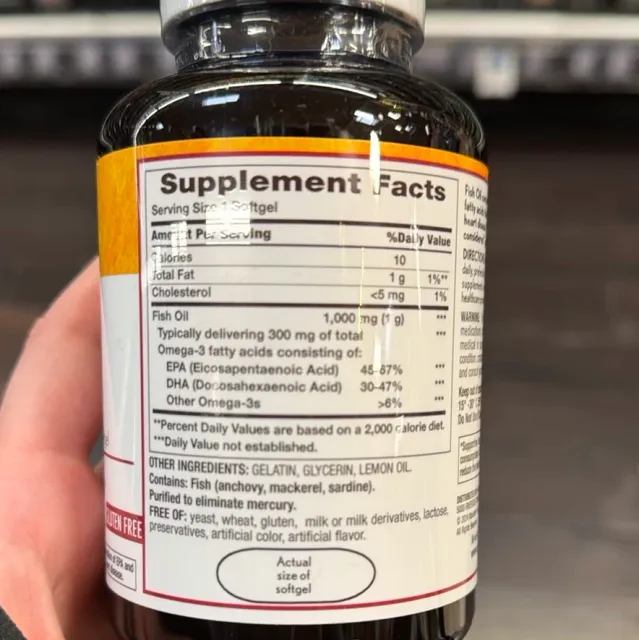
Reports for Similar Products
The Science
The efficacy of omega-3 supplementation depends on achieving sufficient plasma and tissue levels of EPA and DHA. Evidence suggests that benefits for cardiovascular outcomes are most pronounced at higher doses (≥2 g/day EPA or EPA+DHA), particularly in high-risk populations. Lower doses may support general health but are less likely to produce measurable clinical effects in disease prevention.
Higher doses of omega-3 supplements (≥2 g/day EPA or EPA+DHA) significantly reduced the risk of myocardial infarction and coronary heart disease, with greater effects observed for formulations rich in EPA.
Plasma phosphatidylcholine EPA levels increase in a dose-dependent manner with fish oil supplementation, confirming its utility as a biomarker of intake.
Dietary EPA rapidly incorporates into phospholipid membranes of blood and cardiac cells, with steady-state levels reached within weeks and a similar washout period after cessation.
One year of EPA+DHA supplementation increased plasma lipid mediators of inflammation resolution, especially in individuals with low baseline fish intake.
Supplementation with EPA and DHA did not significantly reduce the primary composite endpoint of cardiovascular death, nonfatal MI, or stroke in post-infarction patients on modern therapy, but showed trends toward benefit in prespecified subgroups.
See grades while you shop
Get instant supplement ratings directly on iHerb. Amazon & more coming soon.
Works on iHerb now, Amazon & more coming soon
Stay updated on supplement research
Get newsletters about the latest developments in supplements and evidence-based insights.
No spam. Unsubscribe anytime.
Want another product analyzed?
Scan any supplement label for a free analysis