Overview
Vitamin A is essential for vision, immune function, cellular differentiation, and epithelial integrity. It plays a critical role in reducing child mortality and morbidity, particularly in populations with vitamin A deficiency or high infectious disease burden. Supplementation in deficient children significantly reduces the risk of death, measles, and diarrhea [7][1]. In very low birth weight infants, vitamin A supplementation reduces the risk of chronic lung disease and mortality, likely due to its role in lung development and respiratory tract integrity [6]. Maternal supplementation postpartum can improve breast milk retinol levels and infant vitamin A status, though effects vary by baseline deficiency [3]. However, in well-nourished populations or at high doses, vitamin A supplementation may not benefit and could potentially increase risks, such as in cancer prevention where a U-shaped response curve is observed—benefit in deficient individuals but potential harm in those with adequate or high status [4]. In HIV-positive pregnant women, vitamin A supplementation did not significantly reduce disease progression or mortality, though multivitamins showed benefit [5]. Evidence for adjunctive use in tuberculosis treatment is lacking [2].
Dosage Guide
Recommended Daily Allowance
For generally healthy individuals
Therapeutic Doses
For treatment of specific conditions
Upper Intake Limit
Maximum safe daily intake
3000 mcg— Tolerable upper intake level for adults; chronic high doses increase risk of hepatotoxicity and teratogenicity
Special Forms
Alternative forms for specific needs
Provitamin A; safer source in supplements due to self-regulated conversion, especially in non-deficient individuals
Stable synthetic form used in supplements and fortified foods
Clinical Notes
- High-dose vitamin A is teratogenic; avoid doses >10,000 IU/day in pregnancy unless medically indicated and supervised.
- Chronic high intake can lead to hepatotoxicity, bone abnormalities, and increased fracture risk.
- Beta-carotene supplements may increase lung cancer risk in smokers; avoid high-dose beta-carotene in this population.
- Monitor liver function in patients on long-term high-dose therapy.
- Avoid concurrent high-dose vitamin A and isotretinoin due to risk of hypervitaminosis A.
Research
Vitamin A supplementation improves child survival in settings with high mortality and vitamin A deficiency.
Weekly vitamin A (5000 IU) plus zinc did not improve sputum conversion or radiographic outcomes in pulmonary TB patients.
Maternal and infant vitamin A supplementation increased milk retinol and improved infant vitamin A status in Kenya.
Micronutrient trials suggest a U-shaped risk curve: benefit in deficient populations, potential harm in sufficient populations.
Vitamin A supplementation alone did not reduce HIV disease progression or mortality in pregnant women.
Vitamin A supplementation reduces risk of chronic lung disease and mortality in very low birth weight infants.
Vitamin A supplementation every 4–6 months reduced mortality, diarrhea, and measles in children under 10 years.
Products Containing Vitamin A(6 reports)
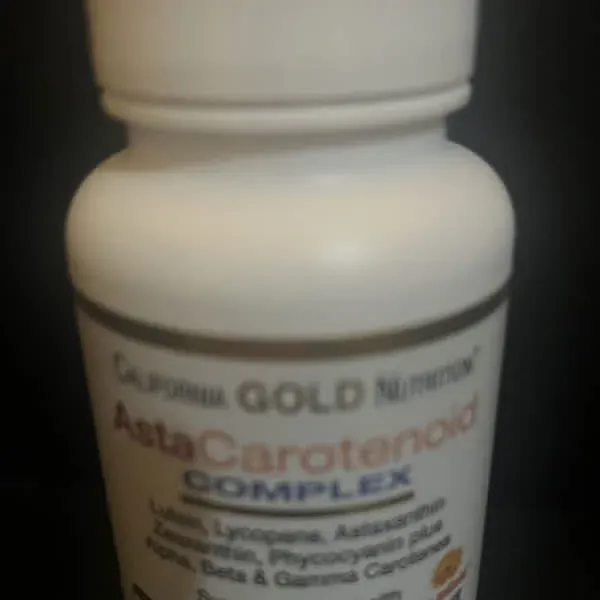
This supplement combines multiple carotenoids—lutein, lycopene, astaxanthin, and vitamin A—with supporting antioxidants to target eye health, oxidative stress reduction, and immune modulation. The primary ingredients—lutein, astaxanthin, and lycopene—are included at doses aligned with clinical research, particularly for macular pigment enhancement and antioxidant activity.
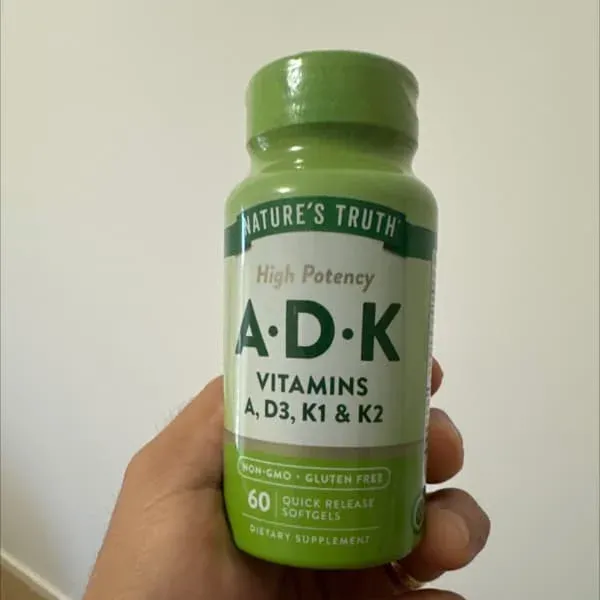
This high-potency supplement combines vitamins A, D, and K—fat-soluble nutrients critical for immune function, bone health, and vascular integrity. Vitamin D is provided at a clinically relevant dose of 5,000 IU, which aligns with therapeutic regimens for correcting deficiency and supporting immune health. While vitamins A and K are included in meaningful amounts, their doses may exceed dietary needs and require caution in certain populations.
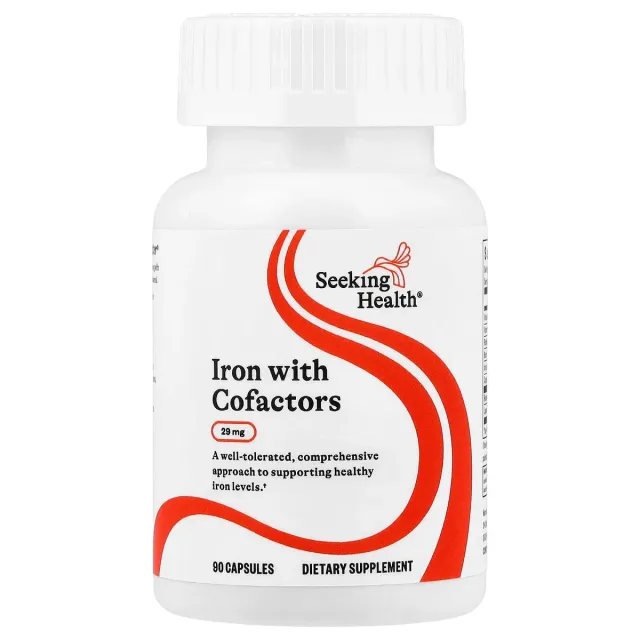
This supplement delivers a high-dose of elemental iron (29 mg) as the primary active ingredient, formulated with cofactors such as vitamin C, riboflavin, copper, and biotin to support iron metabolism and red blood cell formation. The dose of iron is within the therapeutic range for treating iron deficiency, particularly in at-risk populations such as women of reproductive age and pregnant individuals.

This multivitamin formulation delivers essential vitamins at moderate doses, with vitamin D3, vitamin A, and B-complex vitamins as primary contributors to nutritional support. The inclusion of clinically relevant forms such as D3 (cholecalciferol) and methylfolate-capable dosing suggests a focus on bioavailability and metabolic utility.
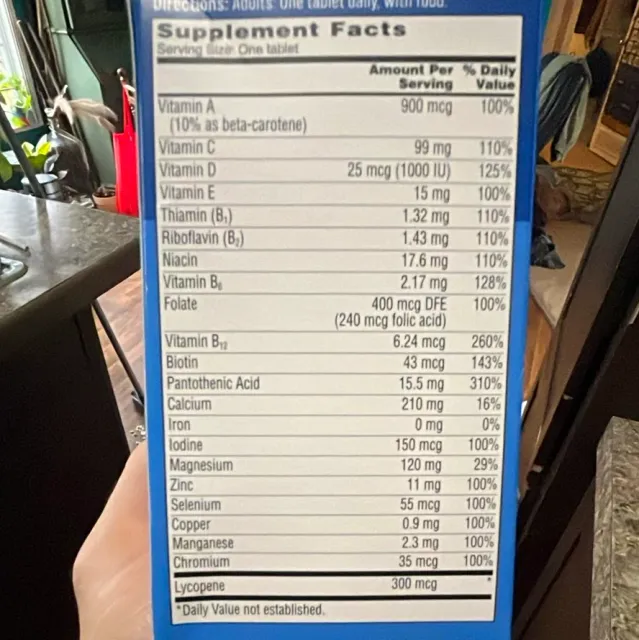
This multivitamin provides a comprehensive blend of essential vitamins at doses aligned with recommended dietary allowances and evidence-based clinical ranges. Vitamin D, B12, and folate are included at levels shown to support immune, neurological, and cardiovascular health, particularly in at-risk populations.
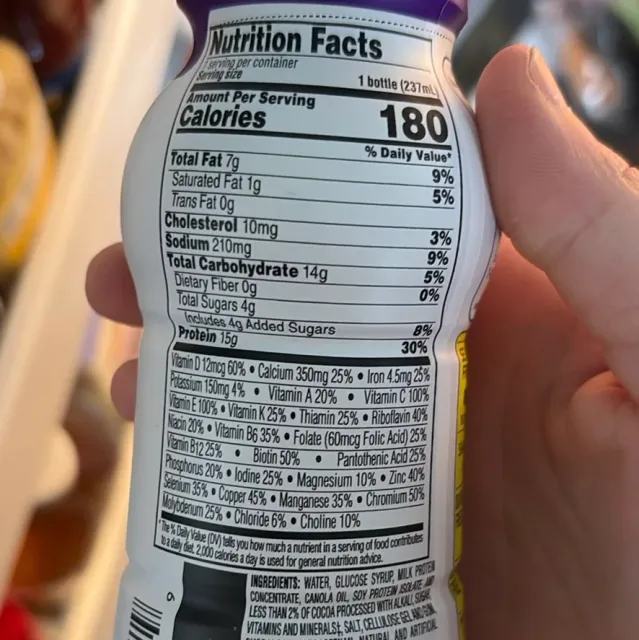
This multivitamin supplement from Nestlé provides clinically relevant doses of vitamin D and calcium as primary nutrients, supporting bone and immune health. Vitamin D (12 mcg) aligns with therapeutic dosing for insufficiency, while calcium (350 mg) contributes meaningfully to daily requirements. Other vitamins and minerals are included at supportive levels, enhancing overall micronutrient intake without targeting specific deficiencies.