Overview
Vitamin K2, particularly as menaquinone-4 (MK-4) and menaquinone-7 (MK-7), acts as a cofactor for the carboxylation of vitamin K-dependent proteins, including osteocalcin in bone and matrix Gla protein (MGP) in vascular tissue. Properly carboxylated osteocalcin enhances bone mineralization, while activated MGP inhibits vascular calcification, suggesting dual benefits for skeletal and cardiovascular health. Clinical evidence indicates that vitamin K2 supplementation improves biochemical markers of bone and vascular health, such as reducing undercarboxylated osteocalcin (ucOC), a marker of vitamin K deficiency and poor bone quality [5][4]. However, long-term trials have shown mixed results on bone mineral density (BMD), with one 3-year trial in postmenopausal women showing no significant difference in BMD or microarchitecture between MK-7 and placebo groups despite adequate calcium and vitamin D intake [2]. Conversely, combining vitamin K2 with vitamin D appears to have synergistic effects, significantly improving total BMD and reducing ucOC levels compared to placebo [4]. High-dose MK-4 (45 mg/day) has been shown to maximally reduce ucOC in women with osteoporosis, suggesting a dose-dependent effect on osteocalcin carboxylation [5]. Emerging research is exploring the role of high-dose K2 (720 μg/day) in slowing coronary artery calcification progression, particularly when combined with vitamin D3 [7].
Dosage Guide
Recommended Daily Allowance
For generally healthy individuals
Therapeutic Doses
For treatment of specific conditions
Upper Intake Limit
Maximum safe daily intake
mcg— No established Tolerable Upper Intake Level (UL) for vitamin K2; considered low toxicity
Special Forms
Alternative forms for specific needs
High-dose therapy for osteoporosis, especially in Japan
Longer half-life; commonly used in supplements for bone and cardiovascular support
Clinical Notes
- High-dose vitamin K2 (especially MK-4) may interfere with anticoagulant therapy (e.g., warfarin); avoid in patients on vitamin K antagonists unless under medical supervision
- Monitor INR closely if combining any vitamin K supplementation with anticoagulants
- MK-7 has a longer half-life than MK-4 and may have greater impact on extrahepatic tissues like bone and vasculature
- Combination with vitamin D3 may enhance bone and vascular benefits synergistically
Research
Low-dose vitamin K1 (100–200 μg/day) improved anticoagulation stability in patients on vitamin K antagonists.
Three years of MK-7 supplementation (180 μg/day) did not significantly affect BMD or bone microarchitecture in postmenopausal women with osteopenia.
Vitamin K1 (1 mg/day) with mineral and vitamin D supplements slowed bone loss in postmenopausal women aged 50–60 over 3 years.
Combination of vitamin K and D significantly increased total BMD and reduced undercarboxylated osteocalcin in a meta-analysis of RCTs.
High-dose MK-4 (45 mg/day) maximally reduced undercarboxylated osteocalcin in postmenopausal women with osteoporosis.
Low-dose MK-4 (1.5 mg/day) for 4 weeks reduced serum undercarboxylated osteocalcin in healthy postmenopausal women.
Ongoing trial testing high-dose K2 (720 μg/day) and D3 to slow coronary artery calcification progression.
One-year supplementation with 400 μg/day K2 did not significantly improve vascular stiffness in CKD patients, though trends favored improvement.
Products Containing Vitamin K2(7 reports)

This liquid dietary supplement combines vitamin D3 (1,000 IU) and vitamin K2 (10 mcg) to support bone and cardiovascular health through synergistic nutrient action. It is formulated to enhance calcium metabolism by promoting bone mineralization and reducing vascular calcification. The product is intended for daily use to address deficiencies and support long-term skeletal and heart health.

This supplement combines vitamin D3 (1,000 IU) and vitamin K2 (45 mcg) to support bone and cardiovascular health through synergistic action. Vitamin D3 is provided at a clinically relevant dose for maintenance in adults with adequate or borderline status, while vitamin K2 is included at a supportive but sub-therapeutic level for vascular and skeletal benefits.
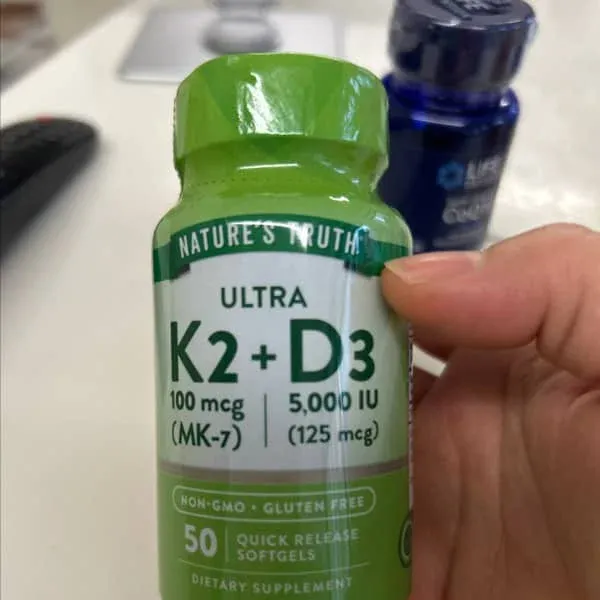
Ultra K2 MK-7 Plus D3 is a dietary supplement combining high-dose vitamin D3 (5,000 IU) and vitamin K2 (100 mcg as MK-7) to support bone and cardiovascular health. The formulation leverages the synergistic relationship between these fat-soluble vitamins, with vitamin D3 enhancing calcium absorption and K2 directing calcium to bone while preventing vascular calcification.
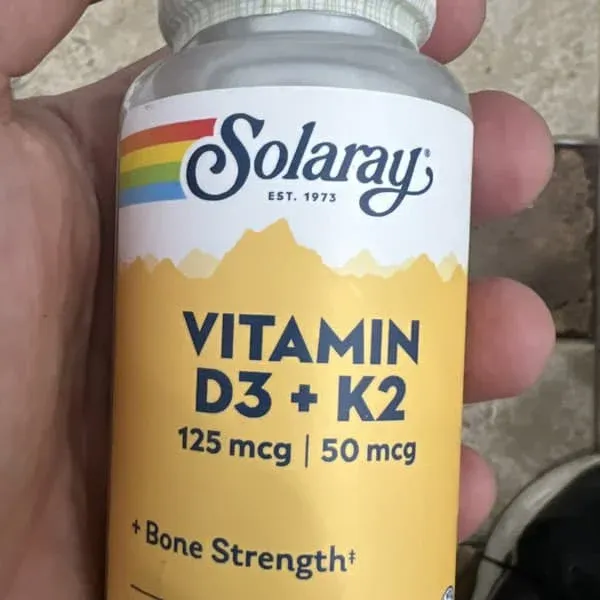
This supplement combines vitamin D3 (125 mcg) and vitamin K2 (50 mcg) to support bone and cardiovascular health through synergistic action. Vitamin D3 enhances calcium absorption, while K2 directs calcium to bones and away from arteries via activation of osteocalcin and matrix Gla protein. The dose of D3 is significantly higher than typical daily recommendations, indicating a therapeutic intent for deficiency correction or maintenance in high-risk individuals.
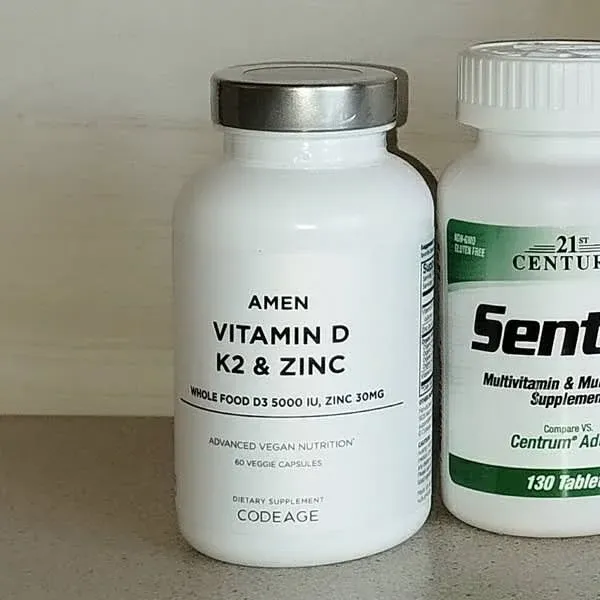
This supplement combines vitamin D3, vitamin K2 (as MK-7), and zinc—three nutrients critical for immune function, bone health, and mineral metabolism. The formulation leverages synergistic interactions between fat-soluble vitamins D and K, while providing a clinically relevant dose of zinc to support immune resilience.
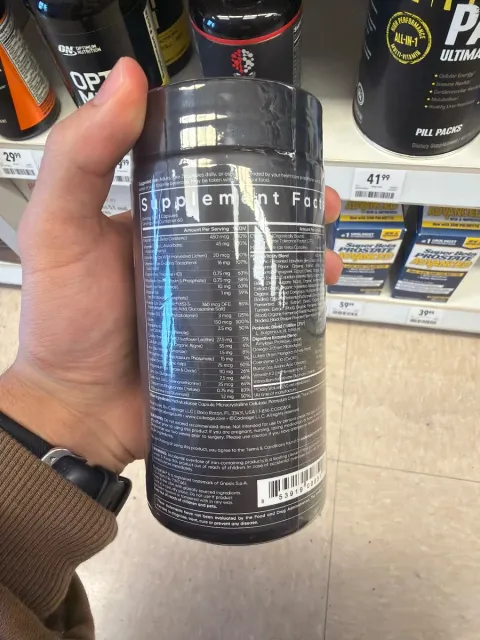
This multivitamin formulation delivers essential vitamins at moderate doses, with vitamin D3, vitamin A, and B-complex vitamins as primary contributors to nutritional support. The inclusion of clinically relevant forms such as D3 (cholecalciferol) and methylfolate-capable dosing suggests a focus on bioavailability and metabolic utility.
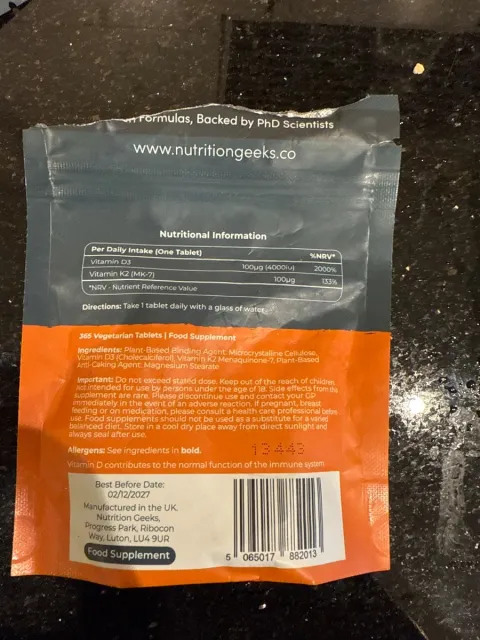
This supplement combines high-dose vitamin D3 (4000 IU) and vitamin K2 (100 µg), targeting individuals with vitamin D insufficiency or deficiency and aiming to support bone and cardiovascular health through synergistic action. The formulation leverages the superior bioavailability of D3 and the long-acting MK-7 form of K2, aligning with evidence-based dosing for sustained nutrient status improvement.